By the time August rolls around in Ottawa, your air conditioner has already worked hard for months. Then the late-summer heat waves hit—those hot, sticky stretches where the temperature and humidity stay high day and night—and suddenly your AC feels like it’s barely keeping up.
Maybe the thermostat is set to 22°C, but the house won’t go below 24–25°C. Maybe the upstairs feels stuffy while the main floor is just okay. Or maybe the system is running almost nonstop and you’re wondering if it’s normal—or a sign of trouble.
At Noah’s Home Comfort, we help homeowners get through these late-summer heat waves without panic, guesswork, or avoidable breakdowns. In this blog, we’ll walk through how you can help your AC keep up when it matters most, what’s normal during extreme heat, and when it’s time to call us in for a closer look.
Why Your AC Struggles More During Heat Waves
First, it helps to understand what’s happening behind the scenes.
Your air conditioner was sized and installed based on normal summer design conditions, not the absolute hottest, muggiest hour of the year. On most warm days, it should:
- Reach your set temperature
- Cycle on and off throughout the day
- Keep humidity reasonably controlled
During a heat wave, especially with high humidity:
- The temperature difference between inside and outside is much greater
- Your system has to run longer and harder to pull heat and moisture out of the air
- Sun-exposed rooms, top floors, and poorly insulated areas heat up faster than others
So, if your AC is running almost constantly on very hot days, that doesn’t automatically mean something’s wrong. But if it’s struggling more than it used to, or you have uneven comfort around the home, it may be time to give it some help.
Step 1: Start With Simple AC Performance Checks
When we’re called to help during a heat wave, we always start with the basics. These are things you can check too, and they often make a noticeable difference.
1. Change or Clean the Air Filter
A clogged air filter is one of the most common reasons systems struggle.
A dirty filter can:
- Restrict airflow through the system
- Reduce cooling capacity
- Cause coils to get too cold and even freeze in some cases
- Force your AC to run longer and harder to do the same job
If you can’t remember the last time the filter was changed, it’s time.
We recommend:
- Checking your filter monthly during heavy use
- Using a filter type appropriate for your system (we can advise you on this during a visit)
A clean filter supports both comfort and efficiency, especially during late-summer heat waves.
2. Check Vents and Returns Around the House
Next, walk through your home and take a look at:
- Supply vents (where cool air comes out)
- Return vents (where air is pulled back to the system)
Make sure:
- Vents aren’t blocked by furniture, rugs, or décor
- Louvres are open in the rooms you’re actively using
- Returns aren’t covered by storage boxes, baskets, or curtains
Something as simple as a couch blocking a key vent can make a room feel much warmer than it needs to.
3. Take a Quick Look at the Outdoor Unit
Your outdoor AC unit needs clear airflow to do its job properly.
Step outside and check that:
- There’s no buildup of leaves, grass, or debris against the unit
- Plants and shrubs are trimmed back to allow airflow
- The top and sides aren’t covered or blocked
If you notice heavy dirt or damage, that’s a good reason to call us—but light debris around the base can often be gently cleared away by the homeowner.
Step 2: Use Your Thermostat Strategically in Hot Weather
How you use your thermostat during a heat wave can make a big difference in how your home feels and how hard your AC has to work.
Avoid Big Temperature Swings
During late-summer heat, it’s tempting to set the thermostat high when you’re out and much lower when you’re home. The problem is that:
- The house warms up a lot during the day
- When you get home and drop the thermostat, the AC has to work extremely hard to pull the temperature back down
- In extreme heat, it may never fully catch up
Instead, we recommend:
- Keeping the temperature fairly steady during heat waves
- If you want to raise it while you’re out, make it a small bump (for example, 1–2°C higher, not 4–5°C)
This gives your system a fighting chance to maintain comfort instead of endlessly chasing a large temperature drop.
Don’t Aim Unrealistically Low
Most central AC systems are designed to maintain indoor temperatures about 10–12°C cooler than outside under typical conditions.
On a truly extreme day, if it’s 33°C and humid outside, expecting the home to sit at 19°C may not be realistic. Instead, consider:
- Aiming for a comfortable but achievable temperature—often somewhere in the 22–24°C range, depending on your home and preferences
- Using ceiling fans or portable fans to help you feel cooler at that setting
We’re happy to talk with you about what’s realistic for your specific home and system.
Step 3: Support Your AC With Better Airflow and Air Movement
Your AC doesn’t work alone. The way air moves and behaves inside your home plays a huge role in comfort, especially during late-summer heat.
Use Ceiling Fans and Portable Fans Wisely
Fans don’t actually lower the air temperature, but they make you feel cooler by moving air across your skin. This allows many families to be comfortable at slightly higher thermostat settings, which reduces the load on the AC.
We suggest:
- Running ceiling fans in rooms you’re using, set to summer mode (usually blowing air downward)
- Turning fans off when you leave the room—no sense in cooling an empty space
Keep Interior Doors Open Where Possible
Closed interior doors can sometimes interrupt airflow, especially in homes where returns are limited.
We recommend:
- Keeping doors partially or fully open in rooms you want cooled
- Leaving doors open upstairs so cool air can move and warm air can circulate back to returns
If you’re not sure whether your home’s airflow is being limited by layout, we can check this during a service visit and make recommendations.
Step 4: Reduce Heat Gain Inside the Home
The more heat that enters your home, the harder your air conditioner has to work to remove it. During late-summer heat waves, every bit you can limit helps.
Control Sun Through Windows
Sunlight streaming in through windows can significantly raise indoor temperatures, especially on:
- South-facing windows
- West-facing windows in the afternoon
We recommend:
- Closing blinds, curtains, or shades during peak sun hours
- Using heavier window coverings in rooms that tend to overheat
- Considering future upgrades like improved window treatments or films for problem areas
Be Smart About Heat-Producing Activities
Activities like:
- Running the oven
- Using the stovetop heavily
- Running clothes dryers during the hottest part of the day
all contribute extra heat into your home.
Where possible:
- Shift heavy cooking to earlier or later in the day
- Use outdoor cooking appliances when it’s practical
- Run dryers and dishwashers in the evening or early morning
These small adjustments reduce the amount of heat your AC has to remove.
Step 5: Know When It’s Time to Call for AC Service
There’s a big difference between “AC working hard in a heat wave” and “AC struggling because of a problem.” We encourage homeowners to call us if they notice any of the following:
Warning Signs Your AC May Need Professional Attention
- Warm air blowing from vents when the system should be cooling
- Unusual noises like grinding, banging, or loud buzzing
- Ice on the indoor or outdoor unit
- The system turning on and off rapidly (short-cycling)
- A burning smell or strong electrical odour
- Rooms that used to be comfortable now staying hot, even on moderate days
If your AC used to handle hot weather reasonably well and now struggles even on normal days, that’s another red flag.
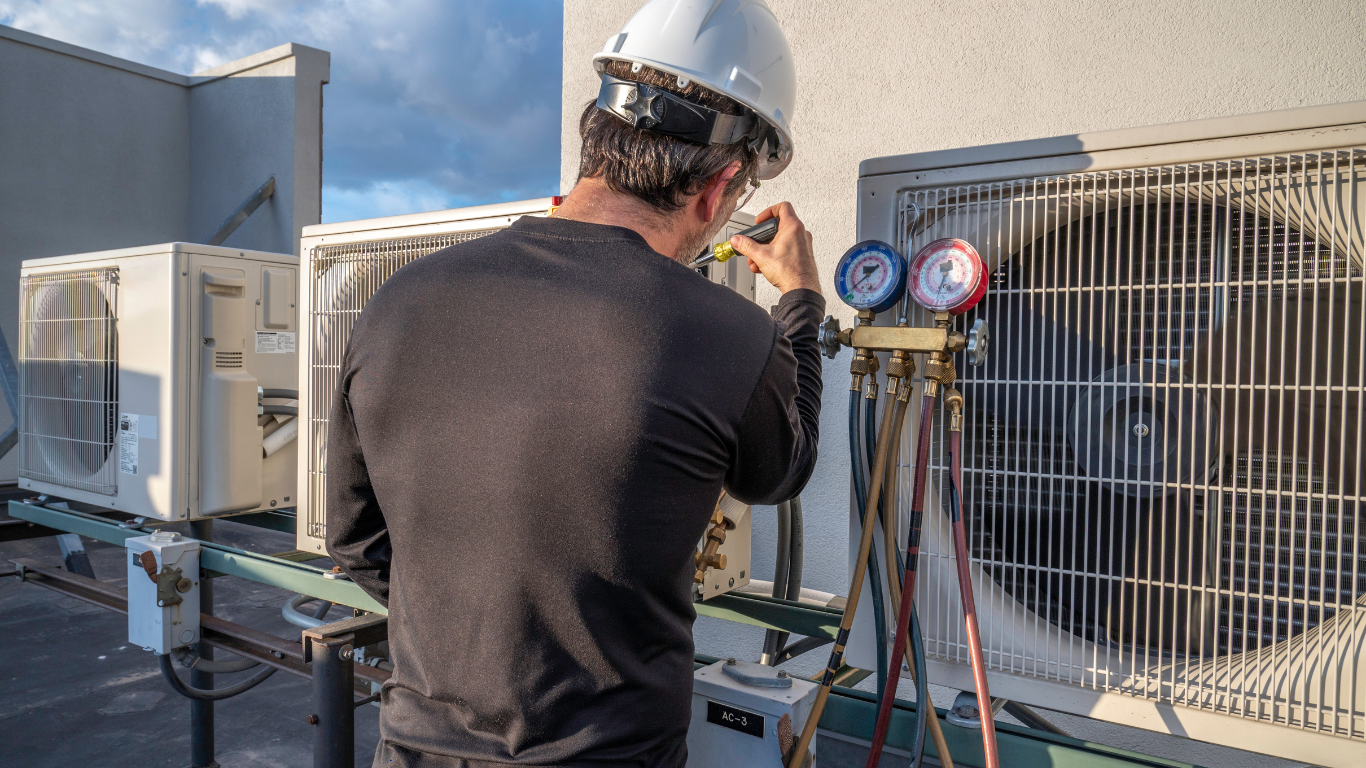
When we come for a service visit during late-summer heat, we can:
- Test performance and refrigerant levels
- Inspect electrical components and controls
- Clean coils and check for airflow restrictions
- Evaluate whether your system is simply under strain from the weather or whether there’s an underlying issue that needs repair
Step 6: Think Ahead About AC Upgrades and System Health
Sometimes a heat wave doesn’t just reveal immediate issues—it highlights that your system is at the end of its life or no longer the right fit for your home.
If we find that:
- Your AC is very old and inefficient
- Repairs are becoming frequent and costly
- Comfort is still poor even after adjustments
we may talk with you about options for repair vs. replacement. We’ll always give you honest feedback and help you weigh:
- Short-term comfort needs
- Long-term operating costs
- Your budget and future plans for the home
August can actually be a good time to start planning an upgrade for next season, even if your system limps through the rest of this summer.
Step 7: How We Help Ottawa Homeowners Through Late-Summer Heat
When you call Noah’s Home Comfort about AC performance during a heat wave, we don’t just look at the equipment in isolation. We consider:
- The age and condition of your system
- How your ductwork and airflow are set up
- The way your home is built and used (two-storey layout, finished basement, sun exposure, etc.)
- Your comfort expectations and routines
From there, we can:
- Perform a thorough AC inspection and tune-up
- Make airflow tweaks and balancing adjustments
- Help you optimize your thermostat settings for both comfort and efficiency
- Advise you on realistic performance during extreme heat and long-term options if your system is undersized or aging
Our goal is simple: help you stay as comfortable as possible through late-summer heat without unnecessary stress, guesswork, or surprise breakdowns.
Call to Action
If your air conditioner is struggling to keep up with late-summer heat waves, or you’re just not as comfortable as you think you should be, we’re here to help.
Call Noah’s Home Comfort at (343) 227-6992 or email info@noahhomecomfort.com to schedule an AC performance and comfort check. We’ll inspect your system, look at airflow and thermostat settings, and give you clear, practical recommendations to help your AC keep up so you can stay cool through the rest of Ottawa’s summer.