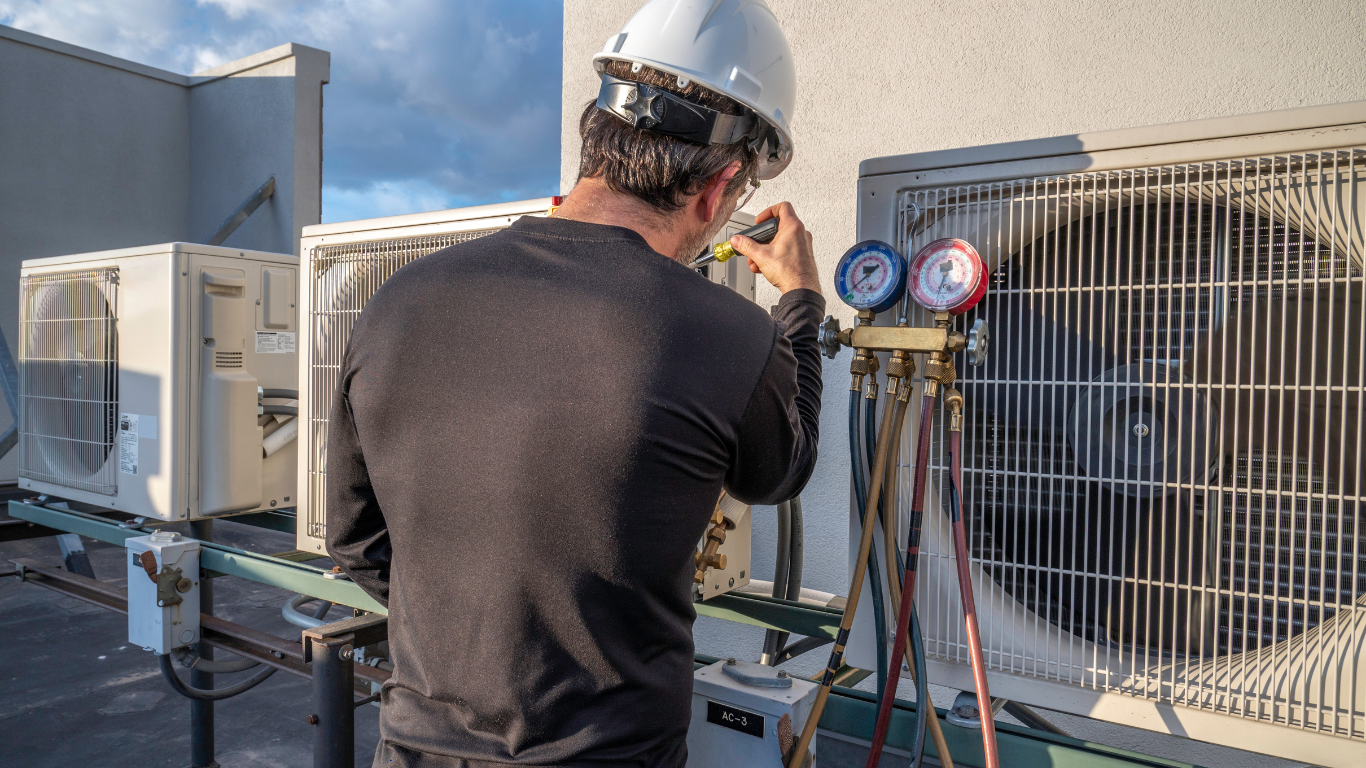
What Homeowners in Orleans, Rockland, Clarence-Rockland, Embrun & Surrounding Areas Should Be Prepared For
February is often misunderstood by homeowners in Ottawa East. While January is known for deep cold, February is far more unpredictable — and that unpredictability creates unique risks for heating and plumbing systems. Homes across Orleans, Rockland, Clarence-Rockland, Cumberland, Embrun, Limoges, Casselman, Hammond, and St. Albert experience fluctuating temperatures, freeze-thaw cycles, heavy snow accumulation, and sudden cold snaps that place uneven stress on home systems.
These changing conditions make February one of the most challenging months for furnaces, plumbing, and overall home comfort. Problems that were stable in January can suddenly worsen, while systems that appeared reliable may fail without warning.
Understanding why February is so demanding allows homeowners to take proactive steps to avoid emergencies and protect their homes during the final stretch of winter.
Why February Weather Is Harder on Homes Than January
January cold is consistent. February cold is erratic.
In Ottawa East, February often brings:
- Sudden temperature swings
- Freeze-thaw cycles
- Heavy snowfall followed by melting
- Ice buildup around foundations and vents
- Increased humidity and condensation issues
Homes in Rockland and Clarence-Rockland experience additional stress from river winds, while rural homes in Hammond, St. Albert, Limoges, and Casselman are more exposed to rapid overnight temperature drops. Suburban homes in Orleans and Embrun often struggle to maintain even temperatures due to open-concept layouts.
This unpredictability creates conditions where both heating and plumbing systems must constantly adapt.
How February Temperature Swings Stress Furnaces
Furnaces perform best when temperatures remain steady. February disrupts that stability.
During this month, furnaces are forced to:
- Cycle more frequently
- Adjust to rapid heat loss overnight
- Compensate for daytime thawing
- Handle increased humidity from melting snow
In Orleans and Rockland, homeowners often notice furnaces running more often during February than January — even if average temperatures appear similar. The reason is cycling stress rather than sustained output.
Frequent cycling increases wear on:
- Ignitors
- Flame sensors
- Blower motors
- Control boards
This is why February is a common month for unexpected furnace breakdowns across Ottawa East.
Why Plumbing Systems Are at Higher Risk in February
February plumbing issues are often linked to freeze-thaw patterns.
As temperatures rise above freezing during the day and drop sharply at night:
- Pipes expand and contract repeatedly
- Small cracks worsen
- Joints loosen
- Frozen sections thaw and refreeze
Homes in Cumberland, Casselman, Hammond, and St. Albert are especially vulnerable because plumbing lines are often located in colder basements or crawlspaces.
Unlike January freezes, February pipe failures often occur during thawing — when homeowners least expect them.
Basements Become Problem Zones in February
Basements play a critical role in February home performance.
During freeze-thaw cycles:
- Foundation walls absorb moisture
- Cold concrete lowers basement temperatures
- Condensation increases around pipes and ductwork
- Floor drains experience slow movement
Homes in Cumberland and older areas of Orleans frequently experience cold basement zones that allow pipes to freeze even when the main living space feels warm.
February is when basement temperature monitoring becomes essential.
Why February Snow Buildup Affects HVAC Performance
Heavy snow accumulation in February can impact furnace operation.
Snow and ice can:
- Block furnace intake and exhaust pipes
- Restrict airflow
- Cause pressure switch lockouts
- Lead to unsafe furnace shutdowns
This issue is especially common in:
- Rockland
- Clarence-Rockland
- Embrun
- Limoges
- Hammond
- St. Albert
Blocked vents may cause furnaces to shut down repeatedly, creating intermittent heat loss that increases plumbing freeze risk.
Uneven Heating Becomes More Noticeable in February
February often reveals airflow and insulation weaknesses.
Homeowners frequently report:
- Cold floors in the morning
- Warm afternoons and cold nights
- One room heating slower than others
- Basement chill returning suddenly
These issues are common in:
- Split-level homes in Orleans
- Older two-storey homes in Rockland
- Rural properties in Hammond and St. Albert
- Large homes in Embrun and Limoges
Uneven heating forces furnaces to compensate aggressively, increasing wear and energy usage.
Why Energy Bills Spike Unexpectedly in February
Many homeowners expect January to be the most expensive heating month. In reality, February often produces higher bills.
Reasons include:
- Increased furnace cycling
- Heat loss during thaw periods
- Snow-covered windows reducing solar gain
- Higher humidity increasing perceived cold
- Plumbing systems requiring more protection
Homes across Ottawa East often see February energy bills exceed January — even without thermostat changes.
Water Heaters Face New Challenges in February
Water heaters are affected differently in February than January.
During freeze-thaw cycles:
- Incoming water temperature fluctuates
- Sediment shifts inside the tank
- Heating elements work unevenly
- Recovery times become inconsistent
Homeowners in Orleans, Rockland, and Embrun often notice hot water running out faster in February — especially in households with returning routines after winter holidays.
Sediment disturbance can increase noise and reduce efficiency.
Plumbing Leaks Are More Likely to Appear in February
Small plumbing leaks often emerge in February due to material expansion and contraction.
Warning signs include:
- Damp spots near pipes
- Moisture around water heaters
- Rust staining near joints
- Unexplained puddles
Homes in Cumberland, Casselman, and Hammond commonly experience February leaks due to older plumbing materials exposed to repeated temperature changes.
Early detection is critical to prevent water damage.
Why February Is Not the Month to Relax Maintenance Efforts
Many homeowners assume winter problems end after January. February proves otherwise.
In Ottawa East, February is when:
- Systems are fatigued from months of use
- Weather becomes unpredictable
- Plumbing is exposed to freeze-thaw damage
- Furnaces operate inconsistently
- Emergency calls increase unexpectedly
Delaying attention in February often leads to late-winter emergencies that extend into March.
How Homeowners Can Reduce February Risks
Proactive February steps include:
- Clearing snow from exterior vents regularly
- Keeping indoor temperatures consistent
- Monitoring basement warmth
- Replacing furnace filters
- Checking water pressure daily
- Listening for new furnace noises
- Watching for moisture around plumbing
These steps are especially important in Rockland, Clarence-Rockland, Hammond, St. Albert, Limoges, and Casselman, where exposure is greater.
Why Local Experience Matters in February
February challenges vary by location. Local expertise ensures faster diagnosis and better protection.
Professionals familiar with Ottawa East understand:
- River wind exposure in Rockland
- Rural freeze-thaw effects in Hammond
- Basement cold zones in Cumberland
- Open-concept heating challenges in Orleans
- Long plumbing runs in Embrun and Limoges
This regional understanding is essential during February’s unpredictable conditions.
Final Thoughts: February Demands Continued Vigilance
February may feel like winter’s final stretch, but it is one of the most demanding months for home systems. For homeowners in Orleans, Rockland, Clarence-Rockland, Cumberland, Embrun, Limoges, Casselman, Hammond, and St. Albert, staying proactive prevents late-season emergencies and protects comfort until spring arrives.
Professional Call-to-Action
For reliable heating and plumbing support across Ottawa’s east end throughout winter,
Call Noah’s Home Comfort at (343) 227-6992 or email info@noahhomecomfort.com.