How We Help Homeowners in Orleans, Rockland, Clarence-Rockland, Embrun & Surrounding Areas Reduce Energy Waste
Many homeowners across Ottawa East expect their energy bills to decrease as winter ends and temperatures begin to rise. After all, the furnace isn’t running as often, and the demand for heating should be dropping. However, what often surprises homeowners in Orleans, Rockland, Clarence-Rockland, Cumberland, Embrun, Limoges, Casselman, Hammond, and St. Albert is that energy bills can actually increase during seasonal transitions.
At Noah’s Home Comfort, we regularly hear from homeowners who are confused by this pattern. The truth is, the shift between heating and cooling seasons places unique demands on HVAC systems — and hidden inefficiencies often become more noticeable during this time.
Understanding what causes these unexpected energy increases can help homeowners take control of their energy usage and prevent unnecessary costs.
The Story Behind Rising Energy Bills During Seasonal Change
During peak winter, HVAC systems tend to run in longer, more consistent cycles. Once temperatures begin to fluctuate in spring, systems operate differently.
Instead of steady operation, systems begin to:
- Turn on and off more frequently
- Adjust to changing outdoor temperatures
- Respond to thermostat fluctuations
- Compensate for indoor airflow imbalances
Homes in Rockland and Clarence-Rockland often experience stronger temperature swings due to wind exposure, while rural homes in Hammond, St. Albert, Limoges, and Casselman cool down quickly at night and warm up faster during the day.
This constant adjustment increases energy consumption — even if the weather feels milder.
Frequent Cycling Uses More Energy Than Expected
One of the biggest contributors to higher energy bills is short cycling.
Short cycling occurs when HVAC systems:
- Turn on frequently
- Run for shorter periods
- Shut off quickly
- Restart again soon after
This pattern is common during spring in homes across Orleans and Embrun, where indoor temperatures fluctuate between day and night.
Frequent cycling uses more energy than steady operation because:
- Startup requires more power
- Components experience more stress
- Efficiency drops with repeated stops and starts
Over time, this pattern leads to higher energy usage.
Airflow Issues Force Systems to Work Harder
Airflow plays a critical role in energy efficiency. When airflow is restricted, systems must work harder to deliver the same level of comfort.
Common airflow problems include:
- Dirty or clogged filters
- Blocked vents
- Leaky ductwork
- Imbalanced air distribution
Homes in Cumberland, Casselman, and Hammond often experience airflow challenges due to older duct systems or longer duct runs.
When airflow is compromised, HVAC systems run longer cycles, increasing energy consumption.
Temperature Imbalances Lead to Overcompensation
Uneven temperatures throughout the home can cause systems to overcompensate.
For example:
- One room feels cold, prompting thermostat adjustments
- Other areas become too warm
- System continues running to balance temperatures
Homes in Orleans and Rockland, especially those with open-concept designs, often experience these imbalances.
As a result, the system works harder than necessary, increasing energy use.
Basements and Cold Zones Affect Overall Efficiency
Basements play a major role in energy consumption.
During seasonal transitions:
- Basement temperatures remain lower than upper floors
- Cold air pools near the foundation
- HVAC systems compensate for temperature differences
Homes in Cumberland, St. Albert, and Casselman often have colder basements that influence overall system performance.
This imbalance forces the system to run longer cycles, increasing energy bills.
Dirty Filters Quietly Increase Costs
One of the simplest — yet most overlooked — causes of rising energy bills is a dirty furnace filter.
A clogged filter:
- Restricts airflow
- Reduces system efficiency
- Forces the blower motor to work harder
- Increases energy usage
Homes across Ottawa East often go through winter without changing filters regularly, making spring the time when efficiency drops become noticeable.
Replacing filters is a simple way to improve efficiency immediately.
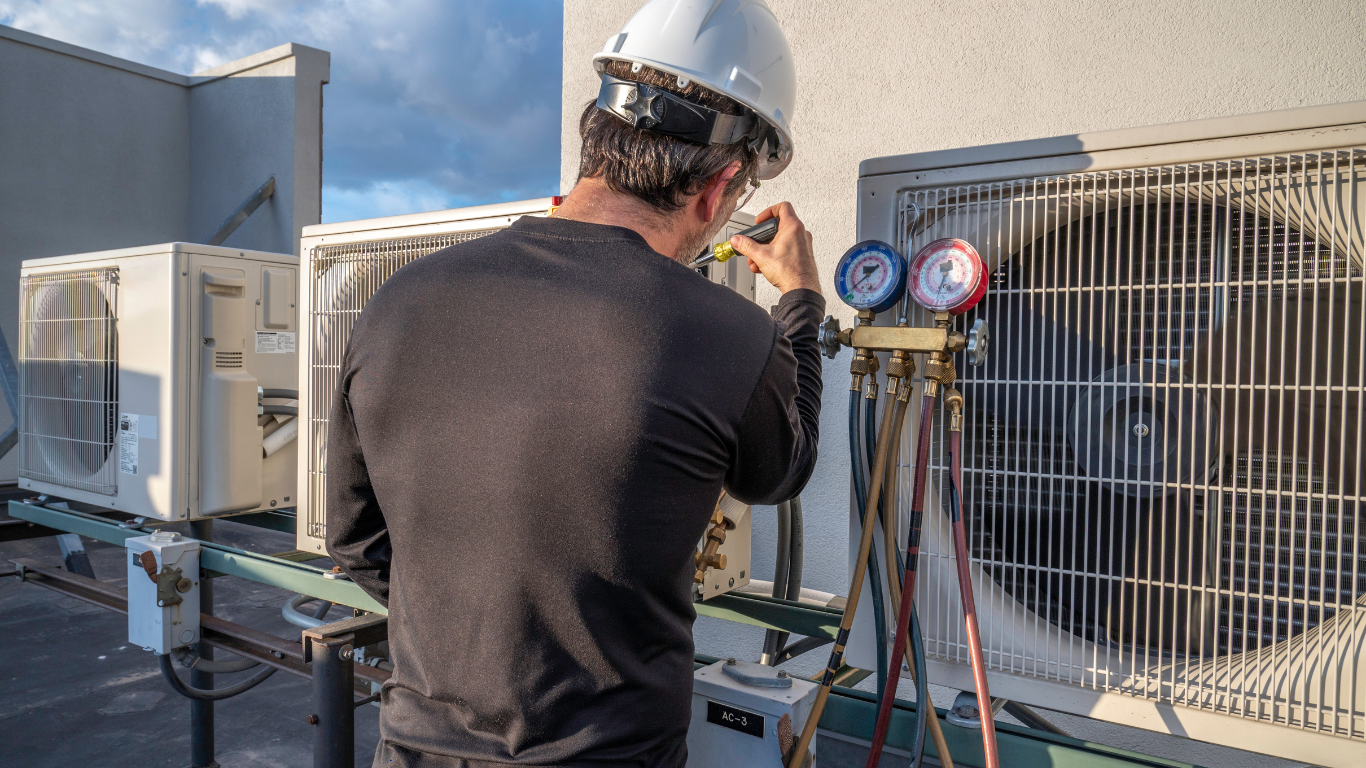
Outdoor Units May Be Partially Blocked
Outdoor HVAC units can be affected by winter conditions.
Common issues include:
- Debris buildup
- Snow residue
- Blocked airflow
- Dirt accumulation
Homes in Limoges, Hammond, and Rockland often experience more debris buildup due to exposure.
When outdoor units cannot operate efficiently, energy consumption increases.
Thermostat Settings May Not Match Seasonal Needs
As temperatures fluctuate, many homeowners adjust thermostats frequently.
However, inconsistent settings can cause:
- Increased system cycling
- Reduced efficiency
- Higher energy usage
Homes in Clarence-Rockland and Embrun often experience this issue as homeowners try to balance comfort throughout the day.
Maintaining consistent thermostat settings improves efficiency.
Humidity Changes Affect Perceived Temperature
Spring humidity changes can make indoor air feel cooler or warmer than it actually is.
This can lead homeowners to:
- Adjust thermostats unnecessarily
- Run systems longer than needed
- Increase energy consumption
Homes in Orleans, Cumberland, and Rockland often experience noticeable humidity shifts during seasonal transitions.
Balancing humidity helps maintain comfort without overusing the system.
Why Small Inefficiencies Add Up Quickly
Individually, these issues may seem minor. However, when combined, they create significant energy waste.
For example:
- Slight airflow restriction
- Minor temperature imbalance
- Small thermostat adjustments
Together, these factors can lead to:
- Longer system run times
- Increased wear on components
- Higher monthly energy bills
Homes across Ottawa East often experience these combined effects without realizing the root cause.
How We Help Homeowners Reduce Energy Costs
At Noah’s Home Comfort, we focus on identifying and correcting inefficiencies that impact energy usage.
We assess:
- Airflow performance
- Filter condition
- Duct system integrity
- Thermostat accuracy
- System cycling patterns
Every home in Orleans, Rockland, Clarence-Rockland, Cumberland, Embrun, Limoges, Casselman, Hammond, and St. Albert has unique characteristics, and our local experience ensures accurate solutions.
Why Local Experience Matters for Energy Efficiency
Energy usage patterns vary across Ottawa East.
We understand:
- Wind exposure in Rockland
- Rural cooling and heating demands in Hammond and St. Albert
- Basement temperature differences in Cumberland
- Airflow challenges in Orleans
- Long duct runs in Embrun and Limoges
This knowledge allows us to address inefficiencies specific to each home.
Final Thoughts: Seasonal Changes Reveal Hidden Costs
Energy bills don’t just reflect temperature — they reflect system performance. As seasons change, hidden inefficiencies become more noticeable, leading to increased energy usage even when weather conditions improve.
For homeowners in Orleans, Rockland, Clarence-Rockland, Cumberland, Embrun, Limoges, Casselman, Hammond, and St. Albert, understanding these patterns helps prevent unnecessary costs and improves overall comfort.
Professional Call-to-Action
For expert HVAC system evaluations, energy efficiency improvements, and seasonal maintenance across Ottawa’s east end,
Call Noah’s Home Comfort at (343) 227-6992 or email info@noahhomecomfort.com.