The Early Cooling Warning Signs We See Across Orleans, Rockland, Clarence-Rockland, Embrun & Surrounding Areas
Most air conditioning systems don’t suddenly stop working without warning.
Long before a complete breakdown happens, small signs begin appearing throughout the home. The challenge is that these warning signs are often subtle, gradual, and easy to ignore — especially when the system is still technically running.
At Noah’s Home Comfort, we regularly visit homes across Orleans, Rockland, Clarence-Rockland, Cumberland, Embrun, Limoges, Casselman, Hammond, and St. Albert where homeowners thought everything was fine until the system failed during peak summer heat.
In reality, the air conditioner had been signaling trouble for weeks or even months.
Understanding these early warning signs can help homeowners avoid expensive emergency repairs, rising energy bills, and uncomfortable summer breakdowns.
The Hidden Stress Cooling Systems Experience During Summer
Air conditioning systems work hardest during Ottawa’s hottest periods.
As outdoor temperatures climb:
- Cooling demand increases
- Systems run longer cycles
- Components remain under constant stress
- Airflow becomes more critical
Homes in Rockland and Clarence-Rockland often experience additional cooling strain because of direct sun exposure and wind conditions, while homes in Hammond, St. Albert, Limoges, and Casselman may experience stronger indoor humidity fluctuations due to larger properties and rural exposure.
Even well-functioning systems begin experiencing wear during these periods.
Longer Cooling Cycles Are Often the First Sign
One of the earliest warning signs is extended cooling cycles.
Homeowners may notice:
- The AC takes longer to cool the home
- The system runs almost continuously
- Indoor temperatures fluctuate more frequently
Homes in Orleans and Embrun, especially larger homes with open-concept layouts, often notice these changes first because cooling demands are spread across larger spaces.
Longer cycles usually mean the system is struggling to maintain efficiency.
Weak Airflow Indicates Hidden Problems
Airflow issues often develop gradually.
At first, homeowners may notice:
- Reduced airflow from certain vents
- Uneven cooling between rooms
- Stuffy or stagnant air indoors
Homes in Cumberland, Hammond, and Casselman frequently experience airflow issues because longer duct systems can amplify even small airflow restrictions.
When airflow weakens, the entire cooling system becomes less effective.
Why Certain Rooms Stay Warm
One of the most common complaints we hear is that one or two rooms never cool properly.
This can happen because of:
- Airflow imbalance
- Duct leakage
- System inefficiency
- Heat buildup from sunlight exposure
Homes in Limoges, Rockland, and Clarence-Rockland often experience this issue more severely during prolonged heat waves.
Warm rooms are usually a sign the system is no longer distributing air efficiently.
Humidity Often Reveals Cooling Problems First
Many homeowners focus only on temperature, but humidity is just as important.
When cooling systems begin struggling:
- Indoor humidity rises
- Air feels heavy or sticky
- Comfort levels decline quickly
Homes in Cumberland, St. Albert, and Hammond often notice humidity changes first because basement moisture and environmental conditions affect indoor air balance.
A properly functioning AC system should help regulate humidity — not just temperature.
Strange Noises Usually Mean Something Has Changed
Air conditioning systems naturally make some operational sounds, but new or unusual noises should never be ignored.
Common warning sounds include:
- Buzzing
- Rattling
- Clicking
- Humming
- Vibrating
Homes across Ottawa East often experience these issues during early summer when systems begin operating continuously again.
New sounds usually indicate internal wear or developing mechanical problems.
Higher Energy Bills Can Signal System Strain
One of the clearest warning signs appears on the utility bill.
When systems lose efficiency:
- Energy usage increases
- Cooling cycles become longer
- Costs rise even if usage habits stay the same
Homes in Orleans, Embrun, and Rockland frequently see unexplained increases in energy costs before a system breakdown occurs.
The system is consuming more energy to deliver less cooling.
Outdoor Units Often Reveal Hidden Issues
The outdoor condenser unit plays a critical role in releasing heat from the home.
If the outdoor unit becomes restricted by:
- Dirt
- Debris
- Poor airflow
- Overheating
The entire cooling system suffers.
Homes in Hammond, Limoges, and Clarence-Rockland often have outdoor units exposed to harsher environmental conditions, accelerating wear and reducing efficiency.
Even small outdoor issues can affect indoor comfort dramatically.
Why Ignoring Small Problems Leads to Bigger Repairs
Many homeowners delay service because the system is “still working.”
Unfortunately, this often causes:
- Greater component strain
- Faster system wear
- More expensive repairs later
Homes in Casselman, Hammond, and St. Albert often experience rapid escalation once systems begin struggling during prolonged heat periods.
Small issues rarely stay small during summer demand.
Why Breakdowns Always Happen During Extreme Heat
Most AC failures happen during the hottest days of the year.
This occurs because:
- The system reaches maximum demand
- Weak components fail under stress
- Existing issues become unmanageable
Homes across Ottawa East experience the highest risk during heat waves when cooling systems run continuously for extended periods.
Preventative action is always easier than emergency repair.
How We Identify Cooling Problems Early
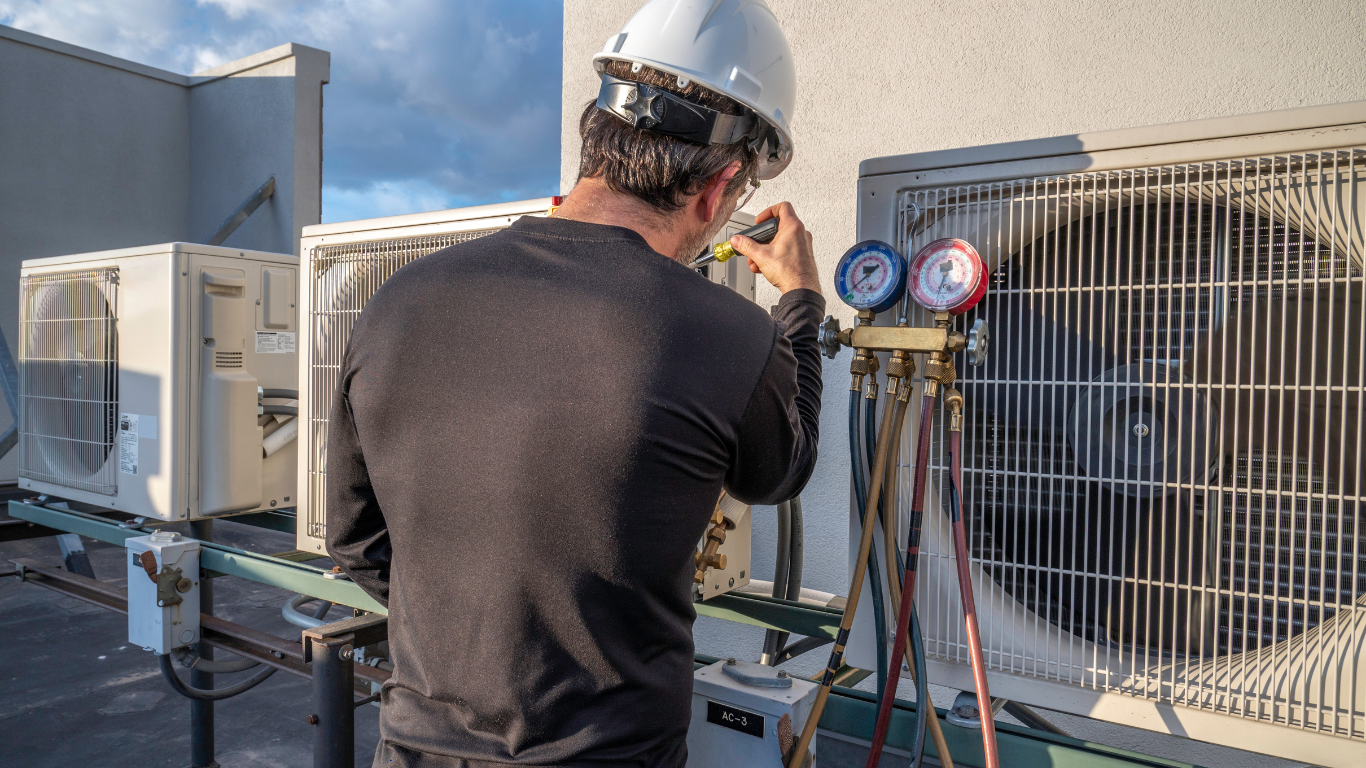
At Noah’s Home Comfort, we focus on identifying hidden issues before they turn into major failures.
We assess:
- Cooling efficiency
- Airflow performance
- Humidity balance
- System cycling behavior
- Outdoor unit condition
Every home in Orleans, Rockland, Clarence-Rockland, Cumberland, Embrun, Limoges, Casselman, Hammond, and St. Albert has unique cooling demands, and our local expertise allows us to diagnose problems accurately.
Why Local Experience Makes a Difference
Cooling systems behave differently depending on local conditions.
We understand:
- Wind exposure in Rockland
- Rural cooling challenges in Hammond and St. Albert
- Basement humidity patterns in Cumberland
- Airflow layouts in Orleans
- Duct system variations in Embrun and Limoges
This local knowledge helps us provide effective, targeted solutions.
How Homeowners Can Stay Ahead of Problems
We recommend:
- Monitoring cooling cycle length
- Paying attention to airflow changes
- Watching indoor humidity levels
- Replacing filters regularly
- Addressing unusual sounds immediately
Homes across Ottawa East benefit greatly from proactive maintenance and early detection.
Final Thoughts: Air Conditioners Usually Warn You Before They Fail
Most cooling systems don’t stop working without warning. They signal trouble through airflow changes, rising humidity, longer run times, and declining efficiency.
For homeowners in Orleans, Rockland, Clarence-Rockland, Cumberland, Embrun, Limoges, Casselman, Hammond, and St. Albert, recognizing these early signs can prevent major breakdowns, reduce repair costs, and maintain reliable comfort all summer long.
Professional Call-to-Action
For expert air conditioning diagnostics, preventative maintenance, and cooling system repairs across Ottawa’s east end,
Call Noah’s Home Comfort at (343) 227-6992 or email info@noahhomecomfort.com.