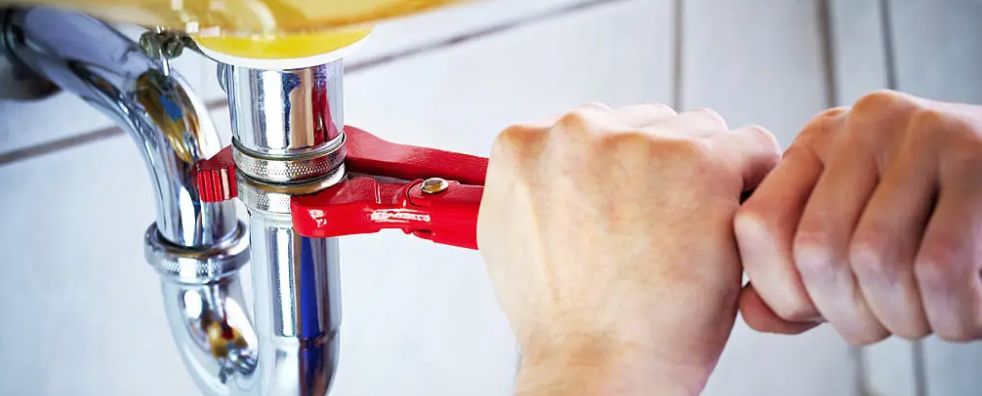
August always feels like a turning point. Summer is still here, but you can already see fall peeking over the horizon—back-to-school prep, busier work schedules, cooler mornings, and more time spent indoors.
That’s exactly why August is a perfect time for a summer plumbing check-up.
Right now, you might have little annoyances you’ve been ignoring:
- A slow drain in the bathroom
- A toilet that runs a bit too long
- A noisy pipe that bangs when someone shuts off a tap
- An outdoor hose bib that drips
- A sump pump you’re not quite sure about
Once fall routines kick in—early mornings, school runs, packed evenings—those “small” issues can quickly feel a lot bigger.
At Noah’s Home Comfort, we like to use August as a chance to tidy up minor plumbing problems so your home is ready for a busy season ahead. In this blog, we’ll walk through a practical summer plumbing checklist and share how we help homeowners fix the little things before they turn into big disruptions.
Why a Summer Plumbing Check-Up Makes Sense
It’s easy to assume plumbing only demands attention when something goes wrong—a burst pipe, a flooded basement, or a totally blocked drain. But in reality, most of those major headaches start as small, early warning signs.
Doing a plumbing check-up in August lets us:
- Catch issues before the fall and winter rush
- Fix nagging problems while your schedule is still more flexible
- Help your home run smoothly when life gets busier again
Think of it as a tune-up for your plumbing system so it can handle:
- More showers and baths as routines change
- Extra laundry loads for school and activities
- Heavier use of kitchens and bathrooms when everyone’s home more in the evenings
Let’s walk through the key areas we focus on.
Step 1: Dealing With Slow Drains Before They Become Blockages
Slow drains are one of the most common “minor” complaints we hear, especially in:
- Bathroom sinks
- Kitchen sinks
- Showers and tubs
- Basement laundry sinks
It’s easy to live with a slow drain—until one day it becomes a complete blockage, usually when you least have time for it.
Why Drains Slow Down
Over time, drains can build up:
- Soap scum
- Hair
- Grease and food particles
- Mineral deposits
August is a great time to pay attention to:
- Sinks that take a long time to empty
- Showers where water pools around your ankles
- Gurgling noises from drains when other fixtures run
We can help you:
- Identify whether the issue is local to one fixture or part of a bigger pattern
- Clear drains safely and correctly
- Check for early signs of deeper line issues that might need more attention before fall
A little preventive work now is much better than dealing with a backed-up kitchen sink on a busy school night.
Step 2: Listening to Noisy Pipes and Water Hammer
Do you ever hear:
- Banging, thumping, or clunking sounds when you turn off a tap?
- Sharp noises when the washing machine or dishwasher shuts the water off?
That’s often a sign of water hammer or other plumbing pressure issues. While it doesn’t always mean immediate danger, it can:
- Put stress on pipes, fittings, and fixtures
- Lead to long-term wear or leaks
- Be annoying and sometimes alarming, especially at night
During a summer check-up, we can:
- Listen to your system in action
- Check pressure and visible piping for issues
- Recommend and install solutions (like arrestors or adjustments) where appropriate
Getting noisy pipes under control now means fewer surprises when fall schedules ramp up and more people are using water at the same time.
Step 3: Inspecting Outdoor Hose Bibs and Exterior Plumbing
Outdoor plumbing can be easy to forget about once the spring gardening rush is over—but it’s important not to ignore it.
In August, we recommend taking a close look at:
- Hose bibs and outdoor faucets
- Connections to sprinklers or hoses
- Any signs of dripping, leaking, or rust
Even a slow drip can add up to:
- Wasted water
- Moisture around the foundation
- Potential issues when it’s time to winterize in a few months
When we’re doing a plumbing check-up, we can:
- Test outdoor taps for proper shut-off
- Check for leaks or looseness in the faucet assembly
- Help you plan ahead for proper shut-down and protection before freezing weather arrives
It’s much easier to fix or replace outdoor fixtures now than after temperatures drop and you’re racing to get everything ready before the first hard frost.
Step 4: Checking Laundry Plumbing and Connections
Fall often means more laundry—school clothes, sports uniforms, workwear, thicker layers, and more towels.
That makes August the ideal time to give your laundry area plumbing a bit of attention.
We look at:
- Washer supply hoses – Are they worn, bulging, or very old rubber lines that are due for an upgrade?
- Shut-off valves – Can they still be turned easily, or are they seized?
- Laundry sink drains – Are they slow, smelly, or prone to backup?
- Any signs of past leaks or water staining around the washer or sink
We can:
- Recommend and install more robust hoses where needed
- Make sure your shut-offs work properly so you can act quickly in an emergency
- Clear or improve laundry sink drainage
These small steps help prevent the kind of leaks or overflows that love to show up at exactly the wrong time—like when you’re rushing to get kids out the door or finally sitting down after a long day.
Step 5: Testing Sump Pumps and Basement Protection
Even though heavy spring rains might feel far away, August and early fall can still bring significant rainfall and storm activity. Plus, as cooler weather arrives, you want to know your basement is as protected as possible.
If your home has a sump pump or basement drainage system, a summer check-up is the perfect moment to ask:
- Does the sump pump turn on and off reliably?
- Does it sound normal when it runs?
- Is the discharge line clear and properly directed away from the foundation?
- Are there any visible signs of water intrusion in the basement or crawlspace?
We can:
- Test the pump operation
- Look for obvious issues with drainage routes and discharge
- Talk about backup options (like battery backup or alarms) if your home is prone to water problems
Knowing your sump pump is ready before fall and winter is a big stress reliever—especially on nights when you hear heavy rain and wind.
Step 6: Toilets, Faucets, and Small Leaks That Add Up
August is also a great time to walk through your home and pay attention to small signs of plumbing trouble you may have been ignoring.
Toilets
Look and listen for:
- Toilets that run longer than they should after a flush
- Occasional “phantom flushes” where the tank refills by itself
- Moisture around the base of the toilet
These can be signs of:
- Worn internal components
- Flapper or fill valve issues
- A poor seal at the base
We can replace parts or address installation issues so toilets work reliably during busy mornings and evenings.
Faucets and Under-Sink Areas
Open the cabinets under sinks and check:
- For dampness or staining on the cabinet floor or walls
- For corrosion or mineral buildup on supply lines and fittings
- For any musty smell that suggests a slow leak
We can repair or replace worn parts, tighten connections, and help you stop small leaks before they damage cabinets or flooring.
Even slow drips from faucets or showerheads can:
- Waste water and money
- Leave mineral deposits and staining
- Be a constant irritation in an otherwise comfortable home
Fixing them now keeps your plumbing looking and working better all through fall and winter.
Step 7: Water Heater Health Check
Your water heater works year-round, and hot water becomes even more important as cooler weather returns—more hot showers, more washing, more comfort.
During a summer plumbing check-up, we can also:
- Look at your water heater age and condition
- Check for signs of leaks, corrosion, or abnormal noises
- Confirm temperature settings are appropriate
- Give an honest opinion on whether your heater is fine, nearing end-of-life, or overdue for replacement planning
Knowing where things stand with your water heater helps you avoid the surprise of a no-hot-water morning right when school or work routines are ramping up.
Step 8: Planning Repairs and Upgrades on Your Terms
The best part of tackling plumbing issues in August is that you have time and flexibility.
When we do a summer plumbing check-up, we:
- Walk through what we’ve found in clear, simple language
- Prioritize what needs attention now versus what can wait
- Help you make a plan that fits your budget and calendar
Instead of reacting to emergencies, you can:
- Choose when repairs happen
- Group small fixes into one visit
- Decide when to upgrade aging components like water heaters, hoses, or fixtures
That means fewer surprises, fewer urgent calls, and more control heading into the busy months.
How We Work With You on a Summer Plumbing Check-Up
When you invite us in for a summer plumbing check, we tailor the visit to your home. Typically, we’ll:
- Ask About Your Concerns
- Slow drains, noises, leaks, odours, or anything that’s been bothering you.
- Walk Through Key Areas
- Kitchens, bathrooms, laundry rooms, basements, mechanical spaces, and outdoor taps.
- Test and Observe
- Drains, toilets, faucets, sump pump operation, hose bibs, and visible piping.
- Share Our Findings
- We explain what we see and what it means for your home.
- Recommend Practical Next Steps
- From quick fixes to longer-term improvements, always with your schedule and budget in mind.
Our goal is to leave you feeling more confident and prepared, not overwhelmed.
Call to Action
If you’d like to head into fall with fewer worries about your plumbing—and fewer surprises during already busy days—we’d be happy to help.
Call Noah’s Home Comfort at (343) 227-6992 or email info@noahhomecomfort.com to schedule a summer plumbing check-up. We’ll go through your home, look at drains, pipes, outdoor taps, laundry hookups, and sump pumps, and help you tidy up the small issues now so your Ottawa home is ready for everything the fall season brings.