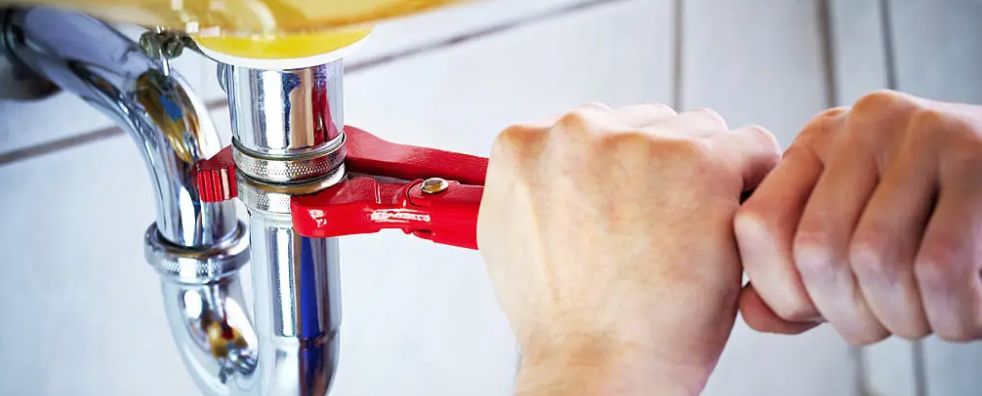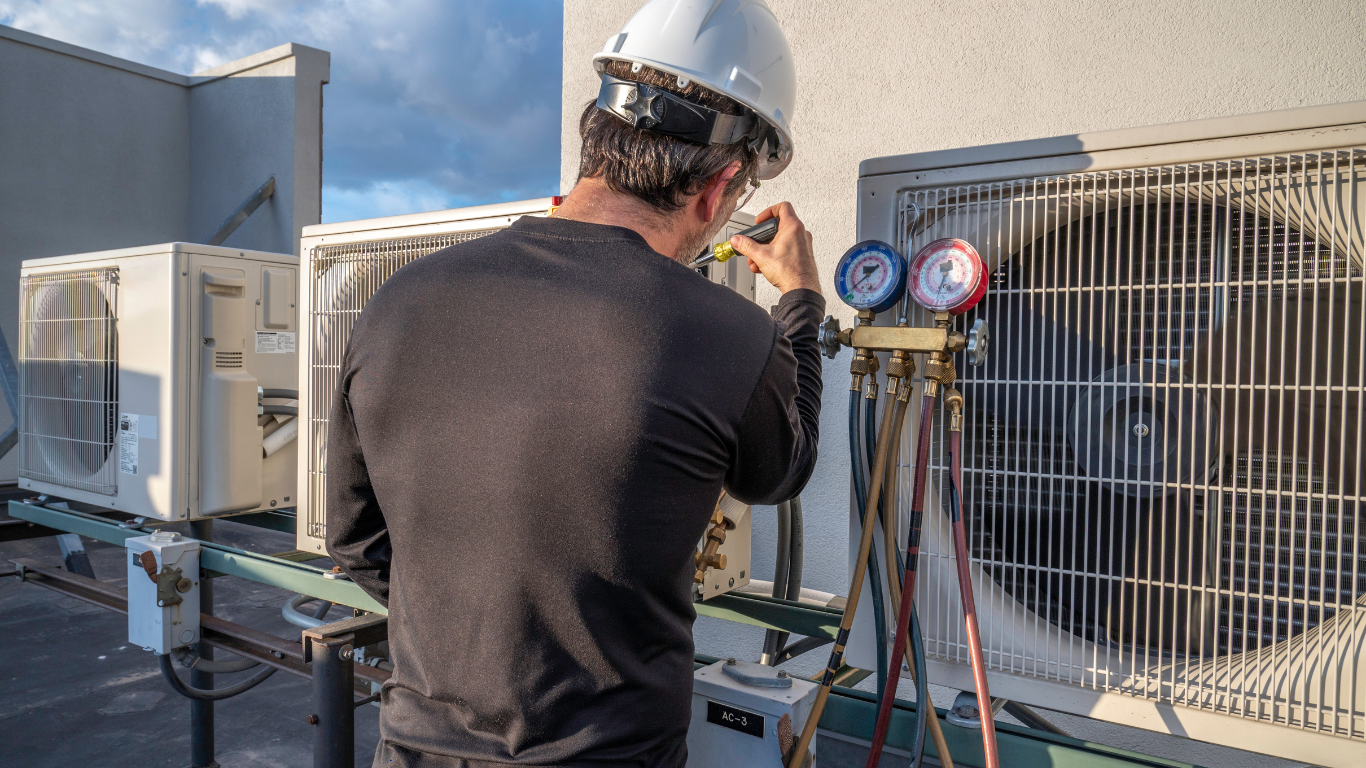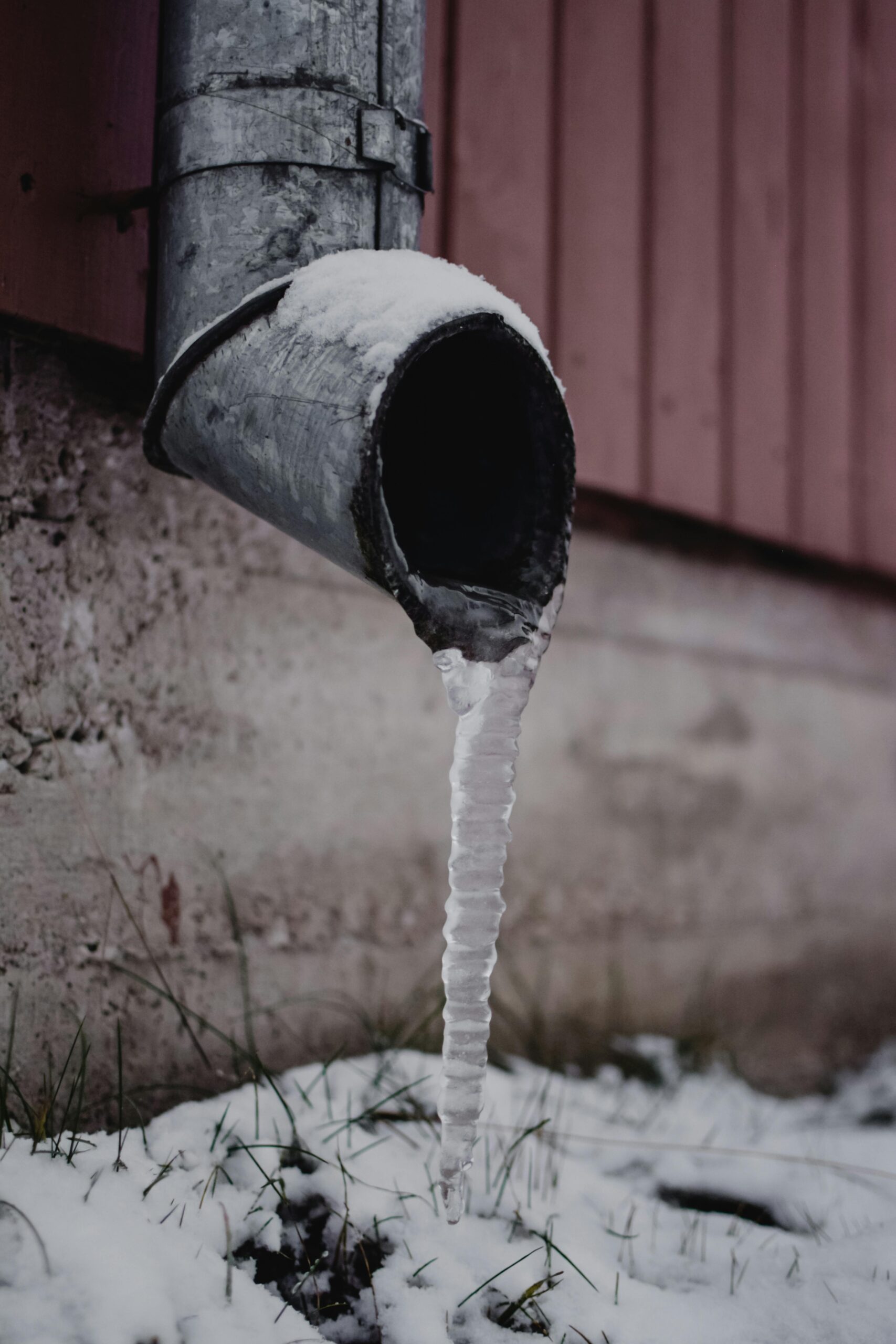
Every winter in the Ottawa area, frozen pipes catch homeowners off guard.
The stories are often similar:
- “The kitchen was fine… until one really cold night.”
- “We came back from a weekend away and found water everywhere.”
- “The pipe in the garage or basement wall just split open out of nowhere.”
The truth is, most frozen pipe disasters didn’t start on the coldest day of the year. The conditions that make pipes vulnerable—exposed runs, poor insulation, air leaks, and unheated spaces—build up over time. The good news? Many of those risks can be reduced with smart steps in the fall, before deep winter arrives.
At Noah’s Home Comfort, we look at frozen pipe prevention as a partnership between plumbing and heating. In this blog, I’ll walk you through how we think about protecting your home:
- Where pipes are most at risk
- How your heating system and building envelope affect plumbing
- What we check and recommend in the fall
- Additional steps to consider for cottages and seasonal properties
Our goal is to help you avoid that “burst pipe” nightmare and head into winter with a lot more peace of mind.
Why Fall Is the Best Time to Plan for Frozen Pipe Prevention
You don’t need a blizzard to start preparing for frozen pipes. In fact, by the time extreme cold hits, it can be harder to:
- Access certain areas
- Complete insulation or sealing work
- Make thoughtful decisions without pressure
Fall is the sweet spot because:
- Temperatures are cool enough to remind us what’s coming, but not so extreme that pipes are already at risk.
- We can inspect both indoor and outdoor plumbing without dealing with snow, ice, or frozen ground.
- There’s time to schedule any work calmly, not in emergency mode.
Think of frozen pipe prevention as a fall project with winter benefits.
Where Pipes Are Most Likely to Freeze
Not all plumbing is equally at risk. When we visit a home, we focus on areas where pipes are:
- Close to the outside air
- Located in unheated or under-heated spaces
- Running through drafty or poorly insulated sections
Here are some of the most common trouble zones we see.
1. Pipes in Exterior Walls
Pipes that run:
- Behind kitchen cabinets on an outside wall
- Along exterior bathroom walls
- In older additions or bump-out sections
are especially vulnerable if there isn’t enough insulation or air sealing.
Signs of risk:
- Cabinets that feel cold at the back in winter
- History of slow or frozen flow at those fixtures on very cold mornings
- Visible drafts when you open under-sink doors
2. Unheated or Poorly Heated Basements, Crawl Spaces, and Garages
Pipes in:
- Unfinished basements
- Crawl spaces
- Garages
- Utility rooms that don’t get much heat
are often the first to feel the impact of extreme cold.
We pay close attention to:
- Exposed lines near exterior walls or foundation vents
- Pipes running close to garage doors
- Any plumbing that lives on the “edge” between conditioned and unconditioned space
3. Seasonal or Little-Used Areas
Guest bathrooms, mudroom sinks, or lower-level bathrooms that don’t get regular use can be more at risk if:
- The doors are often kept closed (trapping cold air)
- Vents are shut or partially blocked
- The thermostat is set with other areas in mind, not these rooms
4. Outdoor Fixtures and Connections
Of course, outdoor taps, hose bibs, and exterior lines are classic freeze points if not properly protected and shut down for winter. Even though they’re outside, the damage from a burst line can show up inside the wall.
How Heating and Air Leaks Affect Your Plumbing
Frozen pipe prevention isn’t just about the pipes themselves—it’s about the temperature and airflow around them.
Two key pieces interact here:
- Your heating system – how evenly it warms the home, including basements and far-off rooms.
- Your building envelope – how well your home keeps cold air out and warm air in.
Cold Rooms and Cold Pipes
If certain rooms are consistently cooler than the rest of the house, any plumbing in those rooms is more at risk. For example:
- A rarely used bathroom over the garage that always feels chilly
- A laundry room near a drafty back door
- A basement corner that feels much colder than the rest of the space
When we do a fall check, we look not only at where pipes run, but also:
- Whether vents in those rooms are open and working
- Whether doors are always closed, trapping cold air
- If the thermostat is in a location that doesn’t “see” the coldest spots
Drafts and Air Leaks
Cold air moving through gaps and cracks can quickly drop the temperature around nearby pipes. Typical leak points include:
- Gaps where pipes pass through exterior walls or foundations
- Drafts around basement windows or sill plates
- Poorly sealed garage-to-house connections
We’re not insulation contractors, but we can flag:
- Areas where draft control and sealing would have a big impact
- Spots where pipes are clearly exposed to moving cold air
- Practical ideas for working with other trades if needed
When your home holds heat better and drafts are reduced, pipes are much less likely to be pushed to freezing temperatures.
What We Do in a Fall Frozen Pipe Prevention Visit
When you ask us to look at frozen pipe risk in the fall, we treat it as a focused, step-by-step assessment.
Step 1: Listen to Past Experiences
We start by asking:
- Have you ever had a frozen pipe before? Where?
- Are there rooms or fixtures that have slowed or stopped in very cold weather?
- Do certain areas always feel much colder, especially during cold snaps?
This history is incredibly useful. Past problems often point directly to today’s vulnerabilities.
Step 2: Walk the Home and Trace the Vulnerable Runs
We walk through:
- Basements and crawl spaces
- Mechanical rooms
- Exposed piping in garages or utility areas
- Under-sink cabinets and behind access panels where possible
We’re looking for:
- Pipes close to foundation walls, exterior walls, or garage doors
- Sections with little or no insulation
- Lines running through spaces that clearly don’t get enough heat
We may point out spots where even a small temperature change in the space could mean a big difference for the pipe.
Step 3: Evaluate Heating and Airflow Near Risk Areas
As a heating and plumbing company, we’re always thinking about both sides together.
We’ll look at:
- The location of supply and return vents near vulnerable pipes
- Whether certain rooms have closed vents or blocked airflow
- Overall setup of your heating system and thermostat
If we see a room with plumbing that’s significantly under-heated, we’ll talk about:
- Opening vents and adjusting dampers
- Keeping doors open during very cold weather
- Using fan settings to help distribute heat more evenly
Sometimes, improving comfort in a cold room is also a big step toward protecting the plumbing in that room.
Step 4: Recommend Insulation and Protection Strategies
For exposed or vulnerable runs, we may recommend:
- Pipe insulation on accessible sections in unheated areas
- Closing or insulating certain foundation vents (when appropriate and safe)
- Improving the insulation or sealing around specific penetrations or wall sections
We’ll be clear about what we can do directly and where another trade might be involved if deeper insulation work is needed. Our goal is to make sure pipes are not sitting directly in the coldest, draftiest spots.
Step 5: Plan for Shut-Off and Drain-Down Where Appropriate
For pipes and fixtures that genuinely don’t need water in winter—like certain outdoor lines or seasonal spaces—we may suggest:
- Properly locating and testing shut-off valves
- Draining specific sections of piping
- Ensuring outdoor hose bibs are winterized, including any interior shut-offs feeding them
If you have a part of the home you don’t heat in winter, or a section that’s rarely used, we can talk about whether full or partial winterization of that area makes sense.
Extra Considerations for Cottages and Seasonal Properties
If you own a cottage, vacation home, or other seasonal property, frozen pipe prevention becomes even more important—because you’re not there to catch problems early.
We can help you:
- Decide whether to fully winterize and drain the plumbing system
- Identify which lines are most vulnerable
- Check heating equipment and thermostats if you keep the home at a reduced temperature during winter
- Talk about what to do if you’re away and a power outage or extended cold spell hits
The key is having a clear plan before you close up for the season or start spending less time at the property.
What You Can Do During Cold Snaps
Even with good preparation, there are a few extra habits that help during extreme cold:
- Keep cabinet doors open under sinks on exterior walls during the very coldest nights to let warm air reach pipes.
- Avoid setting your thermostat too low overnight when temperatures outside are dangerously cold.
- Watch for slow taps or unusual sounds in pipes; if something doesn’t seem right, it’s better to call early.
- If you’ll be away, consider keeping the heat on at a safe minimum and following other steps we discuss during a visit.
If a pipe ever does freeze but hasn’t burst yet, turning off the water supply to that section and calling us is safer than trying to improvise with unsafe heat sources.
How Frozen Pipe Prevention Fits Into Your Overall Home Plan
We don’t look at frozen pipe prevention as a one-off task—it’s part of a bigger picture:
- How evenly your home is heated
- How well it holds that heat
- How your plumbing is laid out in relation to your building envelope and mechanical systems
When we’re already in your home for fall furnace checks or plumbing inspections, it’s a perfect time to:
- Ask about past freeze issues
- Take a quick look at the most vulnerable areas
- Build a simple, clear prevention plan for your home
We’d rather help you address risk calmly in the fall than rush in for an emergency response after damage has already occurred.
Call to Action
If you’ve ever worried about frozen pipes, or you just want to be sure your home is protected before Ottawa’s coldest months arrive, we’d be happy to walk through the details with you.
Call Noah’s Home Comfort at (343) 227-6992 or email info@noahhomecomfort.com to schedule a fall frozen pipe prevention and plumbing check. We’ll inspect vulnerable areas, review your heating and airflow, and recommend practical steps to help keep your plumbing safe all winter long.