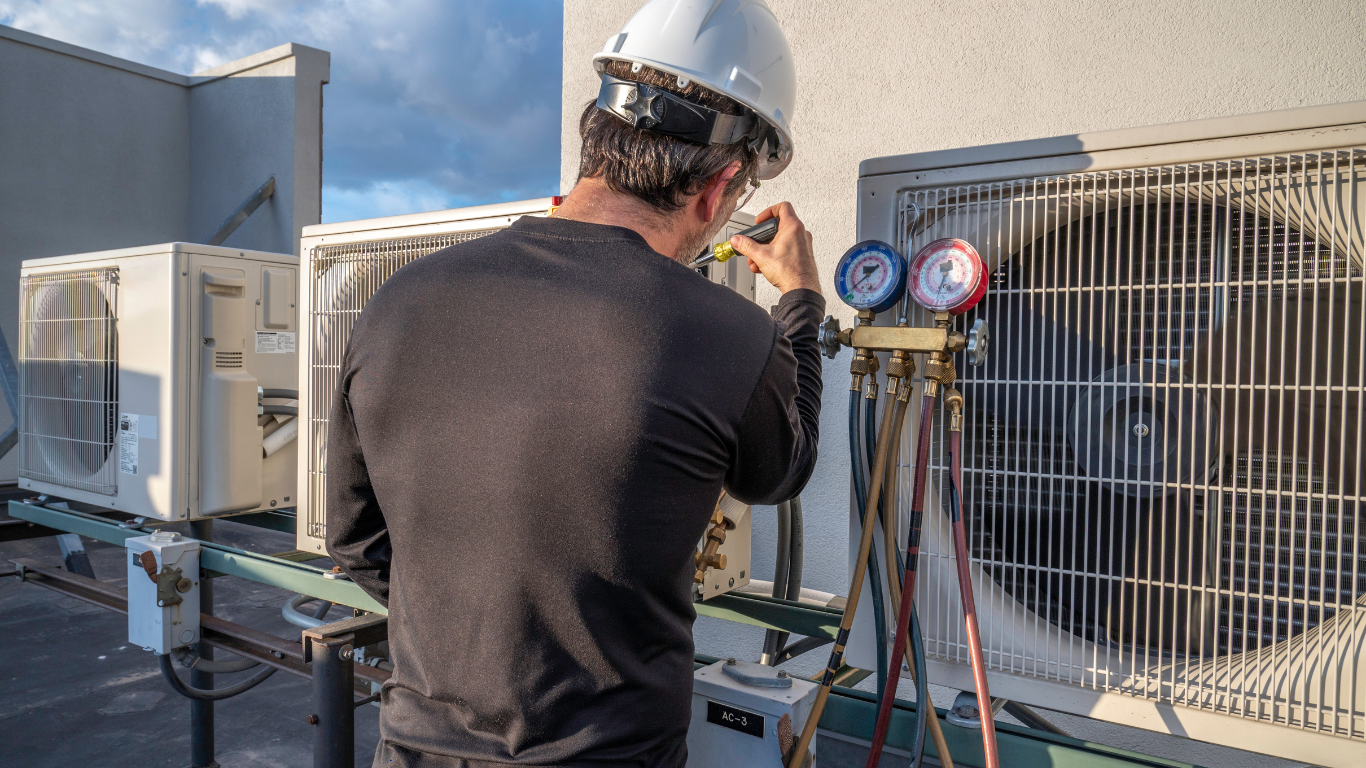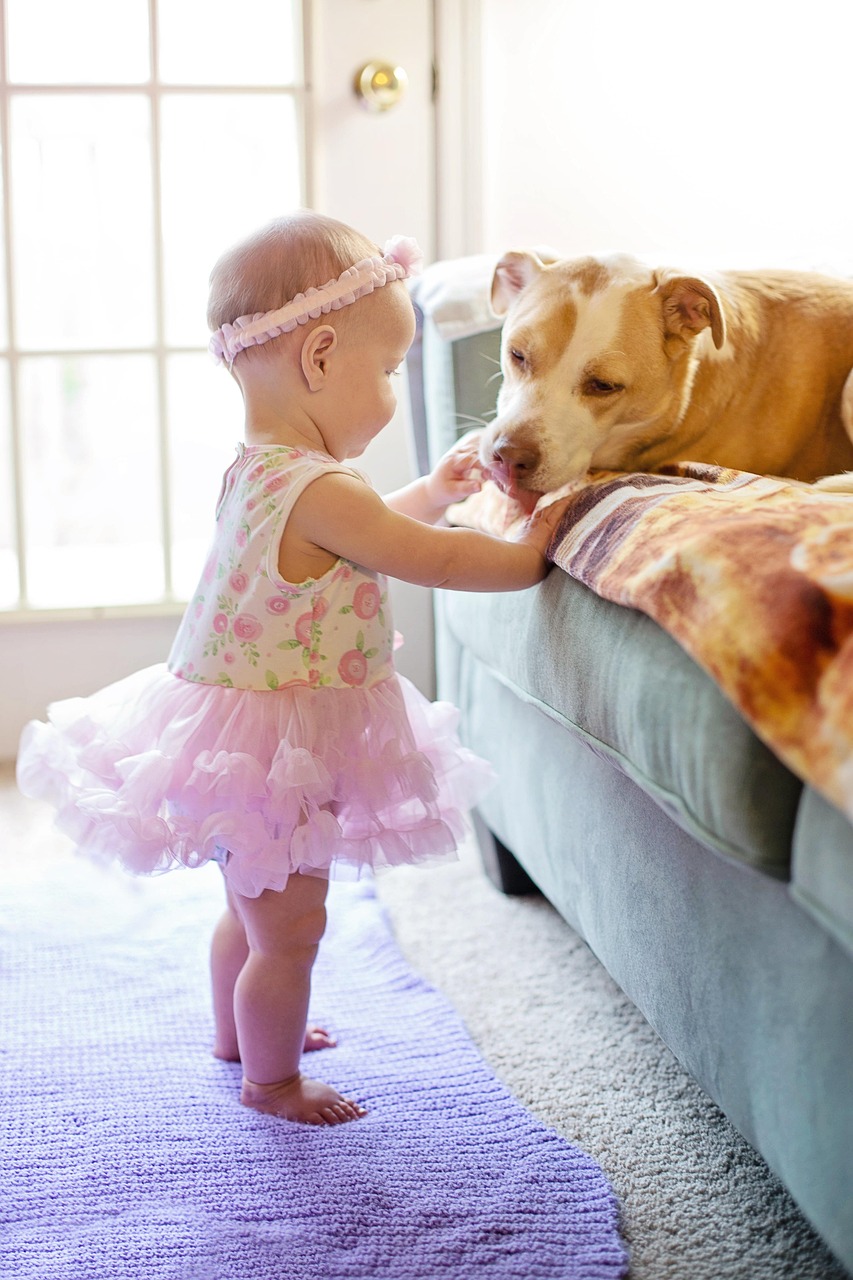
When fall and winter arrive in Ottawa, most families spend a lot more time indoors. The heat comes on, the windows stay closed, and suddenly your home’s heating system becomes a big part of everyday life again.
If you’ve got kids, pets, or both, you’ve probably wondered:
- Is that vent too hot for little hands or paws?
- Can my child safely be around the gas fireplace?
- Are those old baseboard heaters okay with the dog’s bed nearby?
- Is the air getting too dry for everyone’s health and comfort?
At Noah’s Home Comfort, we look at your home through a family lens. We’re not just thinking about efficiency and equipment; we’re thinking about curious toddlers, school-aged kids, cats that love to nap on warm spots, and dogs who follow you from room to room.
In this blog, I’ll walk you through how we think about pet- and kid-friendly heating in real Ottawa homes:
- Common safety concerns with different types of heating
- How to keep hot surfaces, vents, and fireplaces safer
- Ways to improve air quality and comfort for young lungs and sensitive pets
- Simple habits and system tweaks that make a big difference
Our goal is a home that feels warm, safe, and comfortable—for everyone who lives there.
Why Family Life Changes How We Think About Heating
A home without kids or pets can get away with a few things a busy family home can’t.
When there are little hands, quick feet, and furry companions in the mix, we start asking questions like:
- Where is the hottest equipment or surfaces in this home?
- What could a curious child or pet touch, push, or knock over?
- Are there any areas where heat, airflow, or equipment could be too intense, too accessible, or too easy to block?
Kids and pets don’t always understand:
- That a vent can get hot
- That a fireplace glass door can burn skin
- That a portable heater can be knocked over
So we design and adjust heating systems with a bit of extra protection and predictability in mind.
Hot Surfaces and Little Hands: Vents, Radiators, and Baseboard Heaters
One of the first things we consider is what gets hot enough to be a concern.
Forced-Air Vents and Registers
Most forced-air systems blow warm air through floor, wall, or ceiling vents. In many homes, these are safe to touch—but in some setups, they can feel quite hot, especially right at the grille.
We look at:
- Vent locations in kids’ bedrooms, playrooms, and family areas
- Whether metal grilles become uncomfortably warm
- Whether vents are placed in spots where kids might sit or play right on top of them
We may recommend:
- Ensuring vents are not blocked by furniture, bedding, or toys (both for safety and performance)
- Adjusting airflow so vents don’t blast too much hot air in one small spot
- In some cases, looking at different style registers that diffuse air more gently
We’ll walk you through what’s normal to feel at your vents and what might be worth changing.
Radiators and Hydronic Baseboards
In homes with boilers and radiators or hot water baseboards, surfaces can get hotter than in typical forced-air systems.
We help you think about:
- Radiators in kids’ bedrooms and play spaces—are they easily touched, climbed on, or sat near?
- Baseboard covers—are they intact, secure, and free of sharp edges or gaps?
- Furniture and soft items placed directly against hot surfaces (which can create fire risk or hot spots)
We’re not here to make you afraid of your heating system. We’re here to:
- Identify areas where a guard, barrier, or simple “no play zone” rule makes sense
- Make sure radiators and baseboards are functioning safely and correctly
- Suggest layout tweaks so kids and pets can enjoy warm rooms without being right on top of the equipment
Gas Fireplaces and Young Families: Safety First, Comfort Always
Gas fireplaces are a favourite feature in many Ottawa homes, and for good reason—they’re cozy, convenient, and provide real heat.
But when you have kids and pets, they come with special considerations.
Hot Glass and Surrounds
The glass on a gas fireplace can become extremely hot during operation and stay hot even after it’s turned off.
We always recommend:
- Treating the fireplace area as a “hot zone” when it’s in use
- Using screens or safety gates if toddlers or very young children are present
- Teaching older kids clear rules about staying back from the glass and metal surrounds
When we inspect your gas fireplace, we’ll happily talk through:
- How hot surfaces can get
- How long they typically stay warm after you turn the unit off
- What kind of barriers or family habits might make sense in your home
Controls and Switches
We also look at:
- How accessible the control switches or remotes are
- Whether a small child could accidentally turn the fireplace on
If needed, we can:
- Show you how to safely disable or lock out certain controls
- Talk about where to keep remotes and how to explain fireplace safety to kids
Our goal is for your gas fireplace to be a source of comfort, not worry.
Portable Heaters: Why We’re Cautious in Family Homes
Portable space heaters can seem like an easy fix for a cold room, but in homes with pets and kids, they can be risky if not chosen and used carefully.
We’re always cautious about:
- Heaters that can tip over easily
- Units placed near bedding, curtains, or flammable materials
- Power strips or overloaded outlets used with high-draw devices
If you’re considering a portable heater, talk to us first. We’d rather:
- Help you improve central heating or airflow to that room
- Check whether existing radiators, vents, or baseboards can be adjusted
- If a supplemental solution truly makes sense, help you choose and place it safely
We want to make sure extra heat doesn’t turn into extra risk.
Air Quality and Comfort for Young Lungs and Sensitive Pets
Comfort isn’t just about temperature. Air quality matters—a lot—when there are kids and pets in the home.
Dry Air and Sensitive Airway Symptoms
As heating ramps up, dry air can lead to:
- Dry, irritated noses and throats in kids
- Increased static and dry skin for everyone
- Irritated airways in people and animals with sensitivities
We can help you:
- Decide whether a whole-home humidifier makes sense
- Set humidity levels that are good for comfort without encouraging condensation or mould
- Keep the system maintained so you’re adding moisture cleanly and safely
Filters, Fur, and Dander
Pets bring love, companionship… and extra work for your HVAC filter.
We think about:
- How many pets you have and what type (short-haired, long-haired, shedding, etc.)
- Whether anyone in the family has allergies or asthma
- How often your filter is being checked and replaced
We can:
- Recommend a filter type that balances good filtration with strong airflow
- Suggest a realistic replacement schedule, especially in busy family homes
- Include filter checks as part of your regular maintenance so it’s one less thing to remember
Good filtration can help reduce pet hair, dander, and dust circulating through the home, which many families appreciate.
Thermostat Placement and Settings in a Busy Household
The thermostat is the “boss” of your heating system, but in a family home, it often gets extra attention—especially from little hands!
We look at:
- Where the thermostat is placed—near a drafty door, in a sunny hallway, or right by a heat source?
- Whether people are constantly adjusting it to “fix” comfort issues that might be better solved by airflow or vent adjustments
We can help you:
- Lock in reasonable temperature ranges for comfort and safety
- Set schedules that match your real-life routine: school, work, bedtime, and weekends
- Show you how to prevent kids from accidentally turning the heat way up or down
A well-set thermostat can help your home feel consistently comfortable, so you’re not constantly fiddling with it between hockey practices, homework, and bedtime routines.
Room-by-Room Safety and Comfort Checks
When we visit a family home, we often do an informal room-by-room look with kids and pets in mind.
We might:
- Check kids’ bedrooms for vents that are blocked by beds, stuffed animals, or dressers
- Look at playrooms where floor vents might be buried under toys or rugs
- Check pet sleeping spots—are they directly in front of a very hot vent or baseboard?
- Look for trip hazards near mechanical areas or heating equipment
We’ll point out:
- Easy changes that improve both safety and comfort
- Any areas where we’d suggest a slightly different furniture layout
- Opportunities to get better performance from your existing heating system with small tweaks
We want your house to feel like it was designed for the way your family actually lives, not just for how the equipment was originally installed.
Simple Everyday Habits That Make a Big Difference
Alongside any technical adjustments we make, here are some everyday habits that help keep your home safe and comfortable for children and pets:
- Keep vents and returns clear of furniture, toys, and bedding.
- Avoid draping blankets, clothes, or towels directly over radiators or baseboards.
- Treat gas fireplaces as “look but don’t touch” zones, with clear family rules and, if needed, barriers.
- Teach kids not to play on or inside mechanical rooms where furnaces, boilers, or water heaters live.
- Use your thermostat in a steady, thoughtful way rather than big swings up and down.
- Stay on top of filter changes and basic maintenance, especially in busy, high-traffic households.
We’re happy to talk through these with you during a visit and tailor them to the age of your kids and the types of pets you have.
How We Work With Families Like Yours
When you invite us into your home, we know we’re stepping into your family’s everyday life. We take that seriously.
Here’s how we typically approach pet- and kid-friendly heating:
- We listen first.
You tell us about your kids, your pets, and any specific worries—too-hot vents, stuffy rooms, noise, or past close calls. - We look at the whole picture.
Equipment, ducts, vents, radiators, fireplaces, thermostat location, and how rooms are actually being used. - We explain in plain language.
No jargon—we’ll clearly point out what’s safe, what could be improved, and what we recommend. - We prioritize simple, high-impact changes.
From opening vents and adjusting dampers to making certain areas safer for curious hands and paws. - We give you a plan.
Whether it’s small tweaks, maintenance, or future upgrades, you’ll know what we suggest and why.
Our goal is for you to feel confident that your home’s heating is set up for the real people and animals who live there.
Call to Action
If you’re heading into another Ottawa heating season with kids and pets at home—and you’re not quite sure how safe, comfortable, or family-friendly your current setup is—we’d be glad to take a look.
Call Noah’s Home Comfort at (343) 227-6992 or email info@noahhomecomfort.com to schedule a family-focused heating and safety assessment. We’ll look at your vents, radiators, fireplaces, thermostat, and airflow with your kids and pets in mind, and help you create a home that feels warm, safe, and comfortable for your whole family all winter long.