There’s something special about a cottage or vacation home—whether it’s on the water, tucked in the woods, or just outside the city. It’s where you go to slow down, spend time with family, and enjoy the best parts of summer.
But as August rolls in and the evenings start to cool off, another reality shows up:
Fall is coming.
That means:
- Fewer trips to the cottage
- Cooler nights and shoulder-season stays
- Planning how and when you’ll eventually close the place up
At Noah’s Home Comfort, we help homeowners with cottages and vacation properties make sure everything is safe, comfortable, and ready for the transition from late summer into fall. In this blog, we’ll walk through what we like to check in August—AC, plumbing, and basic heating equipment—so your second home is ready for those last few weekends and for eventual fall close-up.
Why August Is the Perfect Time to Check Your Cottage Systems
For many cottage and vacation home owners, August is a busy month:
- One last round of summer guests
- Late-season barbecues and campfires
- Squeezing in those final swims and boat rides
It’s also the ideal time to step back and ask:
- “Is everything ready for cooler nights?”
- “Is the plumbing protected for when we’re not here as often?”
- “Is the heating system ready if we pop up for a chilly fall weekend?”
Doing a comfort and safety check now means:
- You’re not rushing in October or November when temperatures drop suddenly.
- You can plan minor repairs or upgrades before winter, not during it.
- You can leave the property in the fall with confidence, knowing you’ve looked after the essentials.
Let’s walk through what we focus on when we help prepare cottages and vacation homes for the shoulder season.
Step 1: Air Conditioning and Late-Summer Cooling
If your cottage or vacation home has air conditioning—whether it’s central AC, a ductless system, or window units—it’s been working hard during hot summer days. August is a great time to make sure it’s:
- Performing properly
- Clean enough for the rest of the season
- In decent shape for next year, too
What We Look At
Depending on your setup, we may:
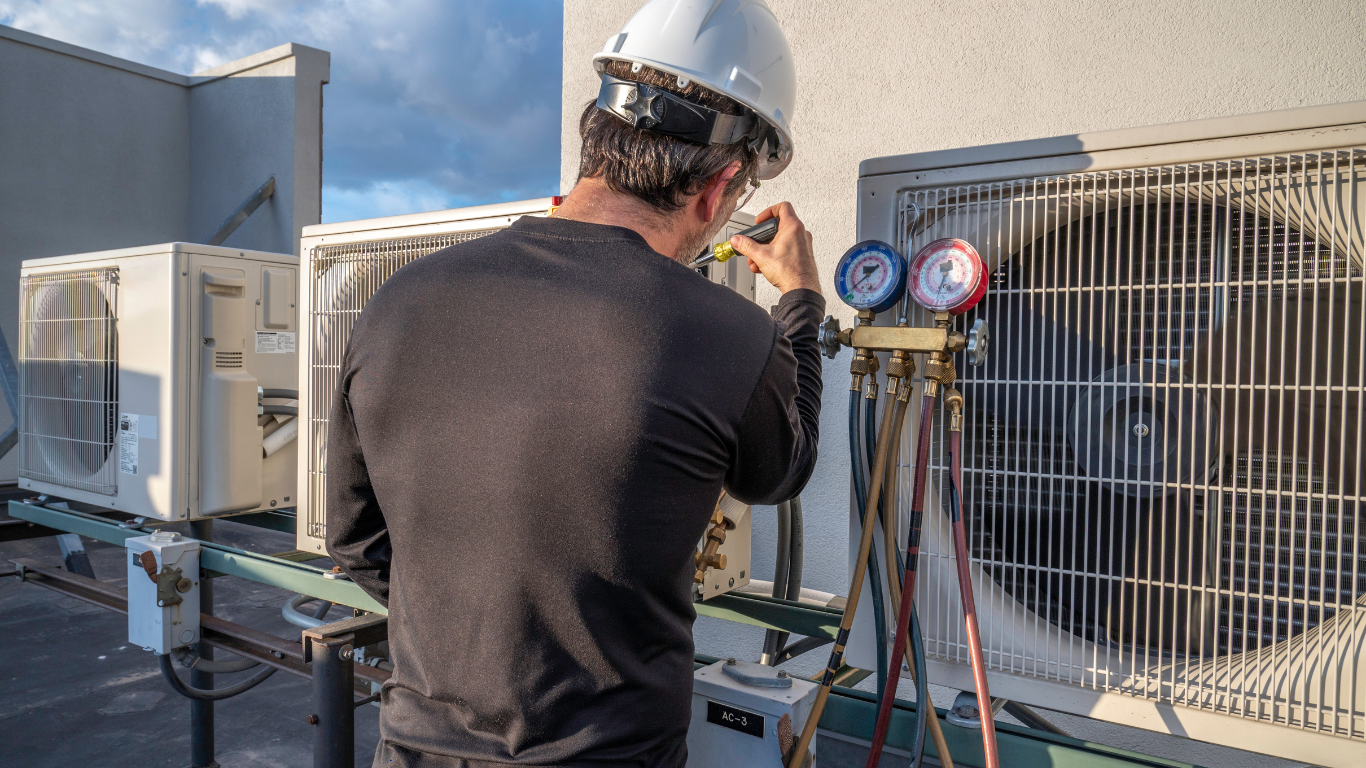
- Inspect the outdoor unit (if you have central or ductless AC) for debris, damage, or obvious issues.
- Check filters, especially if you’ve had a lot of guests, pets, or open windows.
- Listen for any unusual noises from the system—rattles, grinding, or loud buzzing.
If something doesn’t look or sound right, it’s much easier to deal with it now while the weather is still warm than to ignore it and find out next June that the system won’t start.
Why It Matters for Fall
Even in early fall, you may still get:
- Warm, sunny afternoons
- Stuffiness in closed-up rooms
- Higher humidity from the lake or surrounding environment
A well-functioning cooling system (or ventilation strategy, if you don’t have AC) keeps your cottage comfortable and helps prevent that stale, closed-up feeling that can build up between visits.
Step 2: Plumbing and Water Systems – Preventing Fall and Winter Surprises
Plumbing is one of the biggest concerns for cottages and vacation homes, especially when they sit empty for long stretches.
In August, we like to help homeowners:
- Check that everything is working properly now
- Start planning how the water system will be shut down or protected when it’s time to close up for the season
Everyday Plumbing Checks
We’ll walk through the property and look at:
- Sinks, toilets, and showers – Do they drain properly? Any leaks or slow drains?
- Water heater – Age, condition, and whether it’s performing as expected.
- Visible piping – Signs of corrosion, weak joints, or past repairs that need attention.
- Any strange smells coming from drains or mechanical areas.
It’s common for small issues to go unnoticed at cottages, especially if you’re only up on weekends. August is a great chance to catch:
- Drips that are starting to stain cabinets
- Weak flushes or toilets that run too long
- Early signs of a water heater that may be nearing end-of-life
Planning for Shut-Down or Off-Season Use
We’ll also talk with you about your plans for the fall and winter:
- Will the cottage be fully winterized and shut down?
- Will you keep heat on low and leave the water system active?
- Are you planning to visit occasionally on colder weekends?
The answers affect how we:
- Advise on main water shut-off and drain-down steps
- Talk about protecting fixtures and piping
- Look at the sump pump or drainage if your cottage has one
- Consider any well or pump equipment if applicable
Our goal is to make sure that when you lock the door for the season, your plumbing system is protected from freezing and unattended leaks.
Step 3: Basic Heating Equipment – Ready for Chilly Evenings and Shoulder Season
Even if you think of your cottage as a summer place, there’s something amazing about fall weekends by the water—cool air, changing leaves, and quiet mornings.
But those shoulder-season visits rely on your heating system being able to:
- Start up reliably after months of minimal use
- Safely heat the space without strange smells or noises
- Keep pipes and spaces above freezing if you’re using the place late into the season
Types of Heating We Commonly See
Depending on your cottage, you might have:
- A furnace or forced-air system
- Baseboard heaters (electric or hydronic)
- A boiler with radiators or in-floor heat
- A gas or propane heater
- A wood or gas stove or fireplace as part of the heating mix
We focus on safety and function. When we visit, we may:
- Check for obvious issues with venting, filters, and visible components
- Listen for unusual sounds from equipment on startup
- Talk about how often the system was used last year and whether you had any concerns
Addressing small problems in August or early fall is far easier than trying to fix them on a cold, wet October weekend when you’re only up for two days.
Step 4: Odours, Stale Air, and Moisture – Keeping the Cottage Fresh
Cottages and vacation homes are more prone to:
- Musty smells
- Stale air from being closed up
- Higher humidity levels, especially near water
We take these comfort and health issues seriously, especially if you or your guests are sensitive to air quality.
What We Look For
When you invite us in to assess your cottage comfort, we pay attention to:
- Basement or crawlspace smells – signs of dampness or water intrusion
- Visible condensation or damp spots on walls or floors
- Areas that feel unusually humid or stagnant
From an HVAC and plumbing standpoint, we may:
- Check how bathroom and kitchen exhaust fans are working
- Look at any existing ventilation or dehumidification equipment
- Talk about safe ways to manage moisture and improved airflow for your specific setup
This helps preserve not only your comfort, but also your cottage structure, finishes, and furnishings over time.
Step 5: Electrical and Equipment Power for Seasonal Properties
Comfort systems at cottages often rely on intermittent power, and sometimes power outages are more common in rural or remote areas.
As part of a late-summer comfort check, we often talk about:
- What happens to your heating system if the power goes out in late fall
- Whether your sump pump or key equipment has any backup options
- How you typically set systems when you leave (on, off, low, or somewhere in between)
While we can’t control the weather or the grid, we can help you understand:
- What your equipment will do in an outage
- How quickly temperatures might drop in your structure
- What kind of restart behaviour to expect when power returns
That knowledge helps you decide how to set your systems when you’re leaving for longer stretches.
Step 6: Creating a Simple Cottage Close-Up Plan
Once we’ve walked through your AC, plumbing, heating, and general comfort systems, we can help you create a clear, simple close-up plan for fall.
This might include:
- Whether to shut off the main water and drain certain lines or fixtures
- What temperature to set any heating system to, if you’re keeping it on
- What to do with thermostats, water heaters, and gas appliances
- A quick checklist for sump pump, outdoor taps, and laundry before you leave
If someone else—like a neighbour, family member, or property manager—will be checking on the cottage, we can help you:
- Decide what they should look for
- Show them where shut-offs and key controls are located
- Make sure instructions are clear and easy to follow
A good close-up plan helps protect your property and gives you peace of mind all winter long.
Step 7: How We Work With Cottage and Vacation Home Owners
We know that cottages and vacation homes aren’t always around the corner. When you invite us in to help with your seasonal property, we do our best to make the visit efficient, thorough, and practical.
Typically, our process looks like this:
- Conversation First
We ask how you use the cottage, how often you visit, and what your plans are for fall and winter. We also ask if you’ve noticed any comfort or plumbing concerns recently. - Walkthrough and Inspection
We look at your AC, plumbing, heating, ventilation, and key mechanical areas, paying attention to the things that matter most for a property that sits vacant at times. - Share What We See
We explain what we’ve found in straightforward language—what looks good, what needs attention, and what could become a problem if ignored. - Make Practical Recommendations
We prioritize issues and offer realistic, cottage-appropriate solutions, always keeping your budget, distance, and usage patterns in mind. - Help You Prepare for Closure
We talk through a plan so that when you close up in the fall, your property is as protected and prepared as possible.
Our goal isn’t to overcomplicate things. It’s to help you protect your investment and enjoy your cottage more, with fewer worries about what might be happening when you’re not there.
Call to Action
If you have a cottage or vacation home and you’d like to make sure it’s comfortable for the rest of summer and ready for fall closure, we’d be glad to help.
Call Noah’s Home Comfort at (343) 227-6992 or email info@noahhomecomfort.com to schedule a cottage and vacation home comfort check. We’ll inspect your AC, plumbing, and heating systems, talk about your fall and winter plans, and help you set up your seasonal property so you can lock the door with confidence when it’s time to head back to the city.