When most people think about getting their home ready for winter, they think about the furnace, drafty windows, and maybe that gas fireplace they’re excited to use again.
But there’s another piece of equipment that becomes very important once the cold settles in:
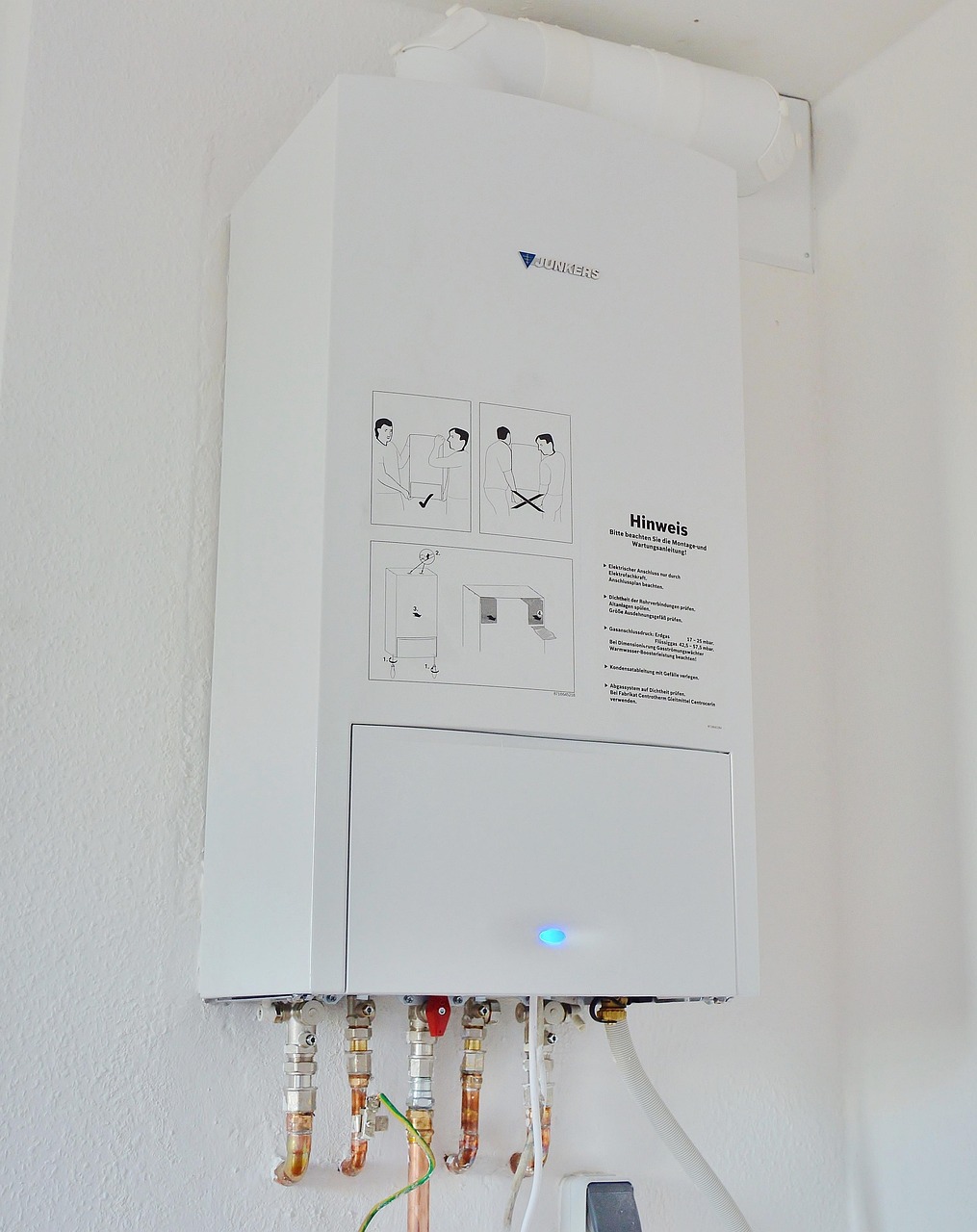
Your water heater.
As temperatures drop in the Ottawa area, your water heater quietly works harder:
- Incoming water from outside plumbing is much colder.
- People take longer, hotter showers and baths.
- There’s more hot water use for laundry, dishes, and cleaning.
If your water heater is already tired, undersized, or starting to fail, winter has a way of exposing every weakness—usually at the most inconvenient time.
At Noah’s Home Comfort, we like to think of fall and early winter as the ideal time to give your water heater some attention. In this blog, we’ll walk you through:
- How colder weather affects hot water performance
- Signs your water heater needs a check-up
- What we look at during a water heater inspection
- When it’s smarter to plan a replacement instead of waiting for a breakdown
- Simple things you can do to help your water heater work better and last longer
Our goal is to keep your hot water reliable, safe, and ready for a long Ottawa winter.
Why Your Water Heater Works Harder in Winter
Your water heater’s job is simple on paper:
Take cold water in, heat it to the right temperature, and deliver it where it needs to go.
In practice, winter makes that job tougher.
Colder Incoming Water
In summer, the water coming into your home is already relatively mild. In winter, it’s much colder, which means:
- The water heater has to work harder and longer to bring water up to your set temperature.
- Recovery times (how quickly the tank heats back up after a big use, like a shower) can be slower.
If your water heater was “just okay” in summer, it may start to struggle when winter arrives.
Increased Hot Water Demand
In colder months, most households naturally use more hot water:
- Longer, hotter showers to warm up
- More baths for kids
- Increased laundry and dishwashing as everyone spends more time indoors
All of this adds up to more stress on the water heater—especially if it’s older or undersized.
Signs Your Water Heater Needs Attention Before Winter
Your water heater often gives you hints that it’s not happy long before it fails completely. We encourage homeowners to pay attention to these signs, especially in the fall:
1. Inconsistent or Decreasing Hot Water
If you’ve noticed:
- Hot water that runs out faster than it used to
- Showers that turn lukewarm before you’re done
- A clear difference between how it performed last winter and now
that’s a sign something may be changing inside the tank or with the burner/elements.
2. Strange Noises
If your water heater makes:
- Popping, rumbling, or crackling sounds
- Noises that get more frequent as it heats
it could be a sign of sediment buildup at the bottom of the tank. That sediment makes it harder for the burner or elements to heat water efficiently.
3. Age of the Water Heater
If your tank-style water heater is 10+ years old, or you’re not even sure how old it is, it’s worth a closer look—especially before winter. Many units can last longer, but the risk of failure increases significantly as they age.
4. Discoloured or Odd-Smelling Water
If you ever notice:
- Rust-coloured water from hot taps
- A metallic smell or taste
- Unusual odours that seem related to hot water
it can suggest internal tank issues or other problems that shouldn’t be ignored.
5. Moisture or Leaks Around the Base
Any sign of:
- Dampness
- Puddles
- Rust streaks down the side
near the base of your water heater is serious. Small leaks usually don’t fix themselves—they tend to get worse over time, and winter is a bad time for that to happen.
If you’re seeing any of these signs, that’s your cue to call us before the real cold hits.
What We Look At During a Water Heater Inspection
When we come to check your water heater before winter, we don’t just glance at it and leave. We walk through a series of checks to understand its condition, performance, and safety.
Here’s what we typically focus on.
1. Age, Type, and Size
We start by identifying:
- Type – gas, electric, or other
- Capacity – how many litres/gallons
- Age – based on the label and serial information
We compare this to your household:
- Number of people
- Typical hot water usage (showers vs. baths, laundry habits, etc.)
- Any recent changes—like adding a bathroom or more people moving in
This tells us whether your water heater is appropriately sized and where it is in its expected lifespan.
2. Visual Condition and Installation
We take a close look at:
- The tank body – corrosion, rust, or staining
- Connections – hot and cold lines, shut-off valves, fittings
- Venting (for gas units) – proper slope, secure connections, no obvious issues
- Drain valve and nearby floor area – signs of past leaks or moisture
We’re looking for anything that suggests your unit is at risk of leaking, venting poorly, or failing.
3. Performance and Temperature
We’ll often check:
- The thermostat setting on the tank
- How consistent the hot water feels at fixtures
- Whether the heater is likely set too low (comfort issue) or too high (scalding and energy issue)
We can talk through realistic thermostat settings that balance comfort, safety, and efficiency.
4. Safety Considerations
For gas units, safety is especially important. We pay attention to:
- Combustion air availability
- Visible flame behaviour on accessible burners
- Any signs of backdrafting or venting issues
If something worries us from a safety standpoint, we’ll tell you clearly and explain what needs to happen next.
5. Potential for Maintenance or Flushing
Depending on the age and condition of your unit, we might discuss:
- Whether flushing the tank (to remove sediment) is reasonable
- Whether minor repairs (like valve replacements, anode rod changes, or control adjustments) are worthwhile
Our recommendations depend on how far along the water heater is in its lifespan and whether the work will give you meaningful extra life and performance.
Maintenance vs. Replacement: Being Honest About What Makes Sense
One of the toughest decisions for homeowners is knowing when to keep maintaining an older water heater and when it’s better to plan a replacement.
We approach this with honesty and practicality.
When Maintenance Makes Sense
Maintenance or minor repairs might be the right call if:
- The heater is still within a reasonable age range.
- It’s been generally reliable, with only minor issues.
- There’s no sign of tank failure (no serious leaks or heavy corrosion).
- Your hot water needs haven’t changed much over time.
In these cases, a thorough inspection and tune-up can help you get more comfortable seasons out of your existing tank.
When Replacement Is the Smarter Move
We’ll often recommend planning for replacement if:
- The unit is 10–15+ years old, especially if it’s showing performance issues.
- You’re seeing rust, frequent leaks, or worrying noises.
- You’ve already had multiple repairs in recent years.
- You consistently run out of hot water, and the tank is clearly too small for your household.
Replacing a water heater on your own terms, before it fails, is usually:
- Less stressful
- Easier to schedule
- Less likely to involve water damage or mid-winter emergencies
We’ll explain your options in clear language and help you choose a solution that fits your home, your family, and your budget.
Planning a Water Heater Upgrade Before Winter
If we determine that your water heater is due for replacement, fall and early winter are actually good times to make that change.
We’ll talk about:
- Capacity – Do you need the same size, or is it time to go larger (or sometimes smaller)?
- Fuel type – Staying with what you have or considering a change if the rest of your system is evolving?
- Efficiency – Options that offer better performance and lower operating costs.
We’ll also discuss:
- How long the work will take
- What to expect on the day of installation
- How we’ll safely remove and dispose of the old unit
Our goal is to have your new water heater in place and running smoothly before the coldest weather and busiest holiday periods hit.
Simple Things You Can Do to Help Your Water Heater
Alongside professional inspection and work, there are a few simple things you can do as a homeowner to support your water heater:
1. Keep the Area Around It Clear
Avoid storing:
- Boxes
- Paint cans
- Cleaning supplies
- Flammable materials
right up against your water heater. Clear access helps with safety, service, and ventilation.
2. Pay Attention to Changes
If you notice:
- New noises
- New smells
- Changes in hot water availability
- Moisture where there used to be none
don’t ignore it. Early calls often mean simpler solutions.
3. Be Mindful of Temperature
Most households do well with a water heater temperature setting that balances:
- Comfortable showers
- Reduced risk of scalding
- Reasonable energy use
If you’re constantly running out of hot water, it may be a sizing or condition issue—not just a thermostat problem. We can help you sort that out.
How We Approach Water Heater Care as Part of Whole-Home Comfort
We see your water heater as part of your broader home comfort system, not as a separate appliance living in a corner.
When we visit your home, especially in fall and early winter, we’re often looking at:
- Your heating system (furnace or boiler)
- Your water heater
- Basic plumbing and drainage
- How all of these pieces support your daily routines
If you’re already booking us for a furnace tune-up or pre-winter check, it’s a great time to ask us to:
- Take a careful look at your water heater
- Talk through its age and condition
- Give you a clear, honest opinion about what to expect from it over the next few winters
We want you to know where you stand, not guess.
Call to Action
If you’re not sure your water heater is ready for another long Ottawa winter, or you’ve already started noticing changes in hot water performance, we’re here to help.
Call Noah’s Home Comfort at (343) 227-6992 or email info@noahhomecomfort.com to schedule a water heater inspection or pre-winter plumbing check. We’ll assess your system, explain what we see in simple terms, and help you decide whether maintenance, repair, or replacement is the best way to keep your hot water reliable all season long.