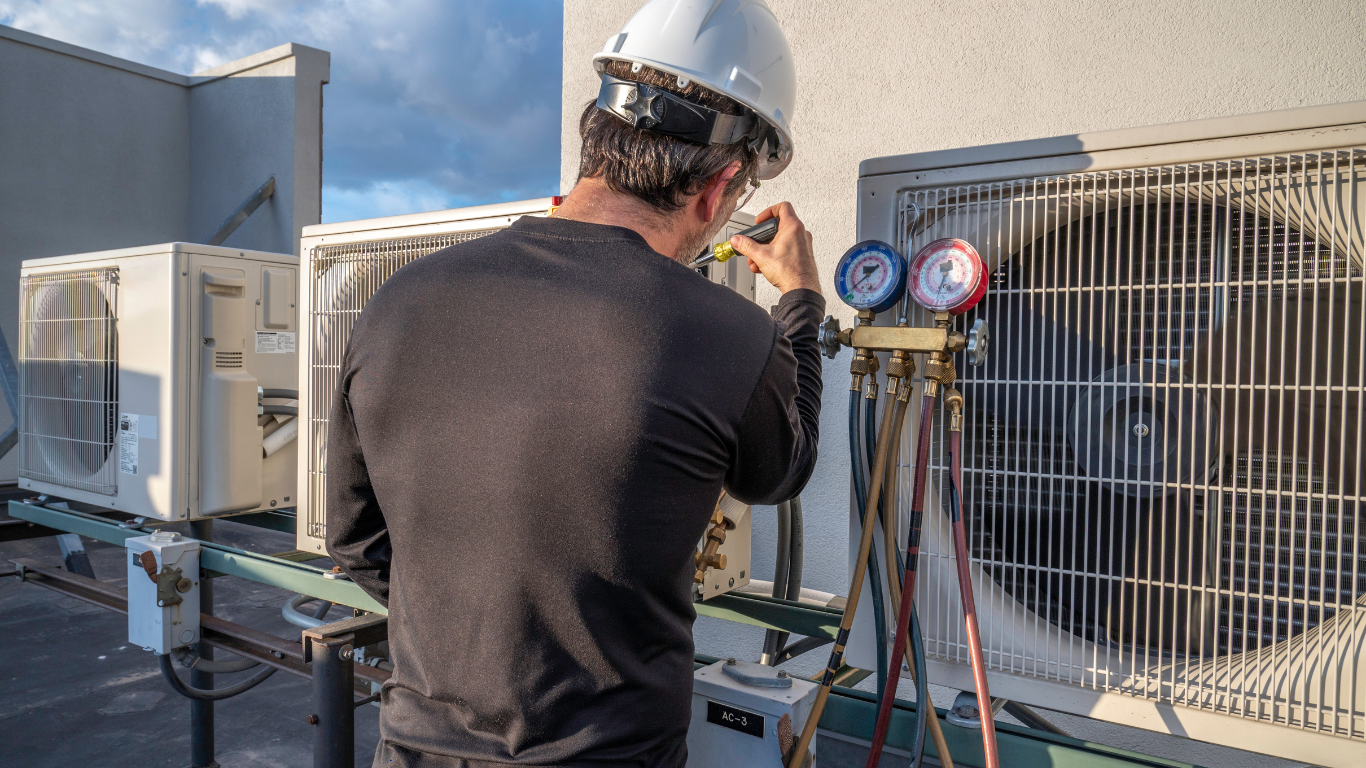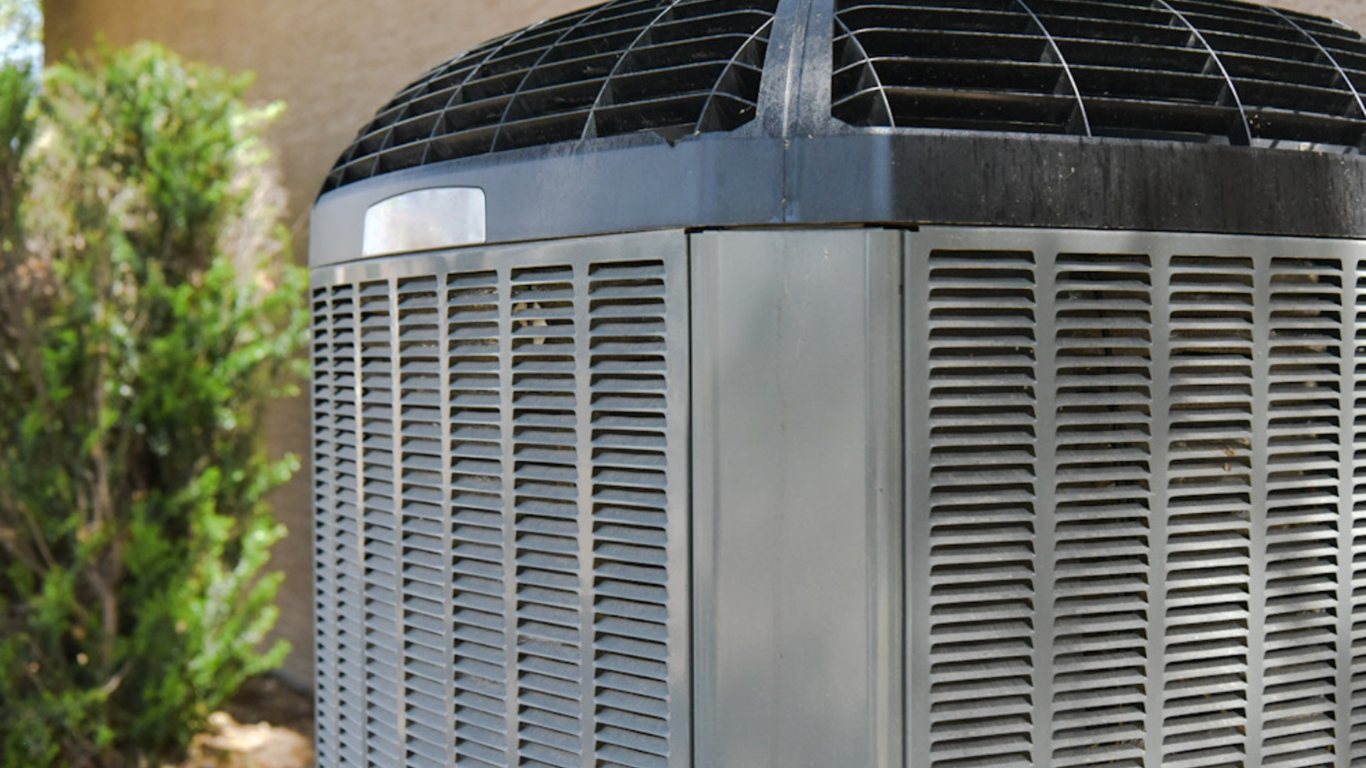
If you’ve been hearing more about heat pumps lately, you’re not alone.
Homeowners across the Ottawa area are asking questions like:
- “Can a heat pump actually handle our winters?”
- “Do I have to get rid of my furnace?”
- “Is it just an air conditioner that works in reverse?”
- “When is the best time to look into one for my home?”
At Noah’s Home Comfort, we’ve been having more and more of these conversations—especially in the fall. And honestly, we think fall is one of the best times to talk about heat pumps, plan upgrades, and think about how your home will be heated and cooled for years to come.
In this blog, we’ll walk through:
- What a heat pump actually is (in plain language)
- How heat pumps work in a climate like Ottawa
- How they can pair with your existing furnace or systems
- Why fall is the sweet spot for planning or installing one
- How we help you decide if a heat pump is right for your home
What Is a Heat Pump, Really?
Let’s start simple: a heat pump moves heat, rather than creating it.
You actually already own a kind of heat pump—your air conditioner. A traditional AC:
- Pulls heat out of your indoor air
- Dumps that heat outside
- Leaves your indoor space cooler
A modern air-source heat pump can do that in the summer and then reverse the process in cooler weather:
- It pulls heat from outside air (even when it feels cold out)
- Moves that heat inside
- Uses it to warm your home
Think of it as an appliance that can:
- Act like an air conditioner in summer
- Act like a low-energy “heater” in spring, fall, and part of winter
How far into winter a heat pump can comfortably carry the load depends on:
- The model
- Your home’s insulation and air sealing
- How it’s designed and installed
That’s where we come in.
Can a Heat Pump Work in Ottawa’s Climate?
This is usually the next big question—and it’s a fair one.
We don’t pretend Ottawa winters are mild. We live in a region where:
- Temperatures can drop well below freezing
- There can be long stretches of very cold days and nights
- Homes need serious heating capacity to stay safe and comfortable
So can a heat pump still make sense here? Yes—but design matters.
Cold-Climate Heat Pumps and Realistic Expectations
Modern cold-climate heat pumps are designed to work effectively at much lower temperatures than older models. They can:
- Provide meaningful heat in shoulder seasons (fall and spring)
- Often carry a large part of the load in mild winter weather
- “Hand off” to a backup heat source (like a gas or propane furnace) during the coldest times, if set up as a dual-fuel or hybrid system
The key is not to think of a heat pump as having to replace every part of your existing system. For many Ottawa homes, a heat pump is:
- A high-efficiency partner to the furnace
- A way to reduce reliance on one fuel source alone
- A comfort upgrade that can improve both heating and cooling
We design systems with Ottawa’s real weather in mind, not some idealized chart in a brochure.
What Does a Heat Pump System Look Like in a Typical Home?
There isn’t just one “heat pump system” for every house. We look at your home’s layout, insulation, and existing equipment before recommending anything.
Here are the most common setups we see:
1. Central Ducted Heat Pump + Furnace (Hybrid or Dual-Fuel)
In many homes with existing ductwork, a popular option is:
- A ducted heat pump system that uses your existing ducts to move air
- A furnace that provides backup or supplemental heat when it’s very cold
In this setup:
- The heat pump often does the heavy lifting in fall, spring, and milder winter days
- The furnace kicks in during the coldest weather
- The heat pump also acts as your central air conditioner in the summer
This can be a great option if you:
- Already have a relatively modern duct system
- Want to improve both heating and cooling with one project
- Like the idea of a system that can be tuned for efficiency and comfort across seasons
2. Ductless (Mini-Split) Heat Pumps for Certain Areas
In some homes, especially those with:
- Finished attics or lofts
- Additions
- Sunrooms
- Rooms above garages
we may recommend ductless heat pumps (also known as mini-splits) for targeted comfort.
These systems:
- Use small, efficient indoor units mounted on walls or ceilings
- Connect to an outdoor unit by refrigerant lines
- Provide both heating and cooling to specific areas
They’re especially helpful when:
- Ductwork doesn’t reach a certain space
- A room is consistently too hot or too cold
- You’d like more control in one area without reworking the entire duct system
We can also mix and match—sometimes a home will have central heating and cooling plus a ductless unit in a problem area.
Why Fall Is the Best Time to Talk About Heat Pumps
So why do we say fall is the sweet spot for heat pump conversations and planning? A few reasons.
1. You’ve Just Lived Through Summer Cooling Season
By fall, you have fresh memory of:
- How well your current AC performed
- Any rooms that stayed too warm
- Whether your energy bills felt high for the comfort you got
This makes it easier to talk about:
- What you liked and didn’t like about your existing cooling system
- Whether a heat pump could serve as a more efficient AC and shoulder-season heater
- How we might improve airflow or duct performance at the same time
Heat pump projects often improve cooling and heating together, so having summer still in mind is helpful.
2. You Haven’t Hit Peak Winter Demand Yet
Once deep winter arrives:
- Systems are running harder
- Many homeowners who didn’t plan ahead are calling with emergencies
- Installation windows can be tighter
In fall, we typically have more room to:
- Take our time with proper design and sizing
- Coordinate an installation schedule that works for you
- Make sure everything is tested before the coldest days show up
You’re not making decisions under pressure in a no-heat situation—you’re planning calmly.
3. Shoulder Season Is a Perfect Time to See What You Need
Fall and spring are “shoulder seasons” where:
- The weather swings between cool and mild
- You might not want to run the furnace full-time
- You still want the house to feel comfortable, especially in evenings and mornings
This is exactly where a heat pump shines. If we install in fall:
- You get to experience the system in mild conditions right away
- We can tweak controls and settings while you’re actively using it
- You head into winter already familiar with how your new setup behaves
How We Help You Decide if a Heat Pump Makes Sense for Your Home
A heat pump isn’t automatically right for every home, and we don’t believe in forcing it as a one-size-fits-all solution.
When you call us to talk about heat pumps, we usually start by asking:
- What comfort problems are you trying to solve?
- How old are your current furnace and AC?
- Are you more focused on lower operating costs, better comfort, or future planning?
- Do you plan to be in your home long-term, or are you thinking in shorter timelines?
Then we:
- Inspect your existing equipment and ductwork
- We check age, condition, and performance.
- We look at how your home’s layout interacts with your system.
- Discuss realistic options
- Central ducted heat pump with furnace backup?
- Ductless units for certain trouble zones?
- Phasing in upgrades over time?
- Talk about how it will feel in real life
- What you can expect on a mild October day vs. a very cold January night.
- How the thermostat and controls will work.
- What maintenance will look like over the years.
We want you to understand not just the equipment, but the experience of living with a heat pump system in an Ottawa climate.
Comfort Benefits Beyond Efficiency
Efficiency is a big part of the heat pump story—but it’s not the only benefit.
Homeowners who install well-designed systems often tell us they notice:
- More consistent temperatures room to room, especially in shoulder seasons
- Quieter operation compared to older ACs or noisy furnaces
- Better control in specific areas of the home (especially with ductless setups)
- A feeling that the house just stays more “even” and less up-and-down
We design for comfort first and then layer in efficiency, not the other way around.
What About Maintenance and Lifespan?
Like any heating and cooling equipment, heat pumps need regular maintenance to perform at their best.
We help by:
- Including heat pumps in your annual maintenance plan
- Checking the outdoor unit, refrigerant lines, and indoor components
- Making sure controls, sensors, and defrost cycles (for winter operation) are behaving properly
In a hybrid setup (heat pump + furnace), we’ll also:
- Maintain the furnace as usual
- Make sure the transition between heat pump and furnace is smooth and predictable
You’ll know who to call, and we’ll know your system, which makes long-term care much simpler.
When a Heat Pump Might Not Be the First Step
We’re always honest: sometimes, other improvements need to come first.
We may suggest addressing things like:
- Very poor insulation or obvious major air leaks
- Extremely old or failing ductwork that can’t support good airflow
- A furnace or boiler that has urgent safety issues to address right away
In those cases, we might say:
- “Let’s fix or plan this first, and then consider a heat pump.”
- Or, “A heat pump could be a great second-phase project after we deal with this more pressing concern.”
We’re not here to sell hardware you can’t fully benefit from. We’re here to design practical, staged improvements that make sense for your home.
Call to Action
If you’ve been curious about heat pumps—and you’re wondering whether they make sense for your Ottawa home—fall is the perfect time to start the conversation.
We’d be happy to look at your existing furnace and AC, talk about your comfort goals, and explain what a heat pump system could look like in your specific home.
Call Noah’s Home Comfort at (343) 227-6992 or email info@noahhomecomfort.com to schedule a heat pump and home comfort consultation. We’ll walk you through your options in clear language, design a solution that fits your house and budget, and help you decide whether this fall is the right time to bring heat pump technology into your home.