What Homeowners in Orleans, Rockland, Clarence-Rockland, Embrun & Surrounding Areas Must Watch For
January is the harshest month of winter for homeowners in Ottawa, and while furnaces tend to get most of the attention, plumbing systems quietly face just as much risk. Extended deep freezes, wind exposure, and sustained sub-zero temperatures place enormous stress on pipes, drains, water heaters, and fixtures throughout Orleans, Rockland, Clarence-Rockland, Cumberland, Embrun, Limoges, Casselman, Hammond, and St. Albert.
Many winter plumbing emergencies do not happen suddenly — they begin with small warning signs that go unnoticed until a pipe freezes, bursts, or backs up. Understanding how extreme January cold affects plumbing systems allows homeowners to act early and avoid costly damage.
Why January Is the Most Dangerous Month for Plumbing in Ottawa East
While December introduces freezing temperatures, January delivers sustained cold with little relief. Plumbing systems are exposed to:
- Continuous sub-zero outdoor temperatures
- Frozen ground that restricts drainage
- Colder incoming municipal water
- Reduced airflow in basements and crawlspaces
- Heavier furnace reliance to protect pipes
Homes in Rockland and Clarence-Rockland face additional wind chill exposure, while rural homes in Hammond, St. Albert, Limoges, and Casselman experience faster heat loss due to open landscapes. Suburban homes in Orleans and Embrun, especially newer builds with open layouts, often struggle to maintain consistent warmth in lower levels.
All of these factors make January the month when plumbing vulnerabilities are most likely to surface.
Frozen Pipes: The Biggest January Plumbing Threat
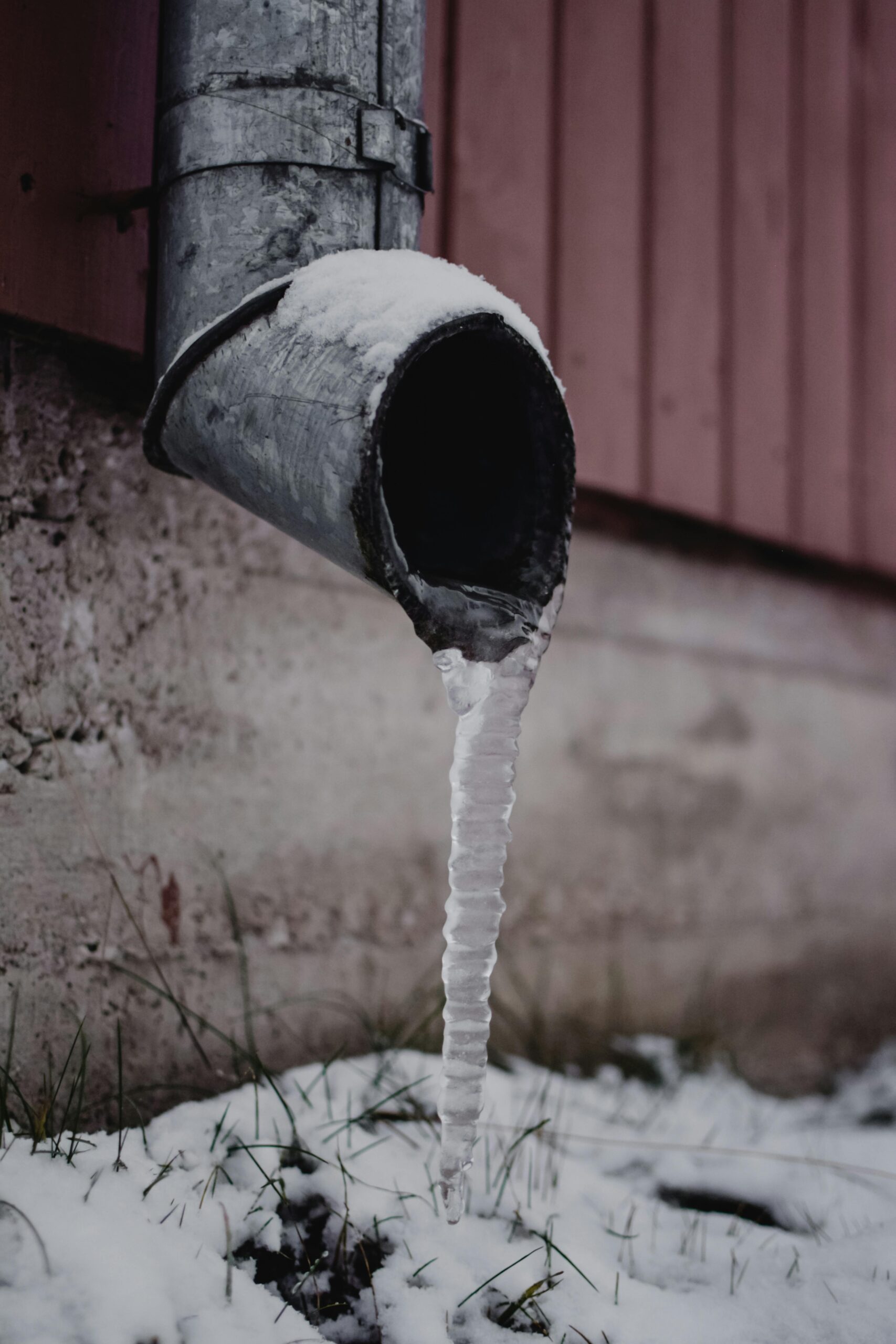
Frozen pipes are the leading cause of winter plumbing emergencies in Ottawa East. When water freezes inside a pipe, it expands, creating internal pressure strong enough to crack copper, PEX, and even older steel pipes.
Pipes Most at Risk in January
- Pipes in exterior walls
- Basement plumbing near foundation walls
- Kitchen sink pipes along cold walls
- Bathroom plumbing above garages
- Crawlspace and garage plumbing
- Laundry room supply lines
Homes in Cumberland, Casselman, Hammond, and St. Albert are especially vulnerable due to colder basements and less insulated plumbing runs. In Orleans and Rockland, split-level and two-storey homes often have plumbing located in areas that receive inconsistent heat.
Why Frozen Pipes Often Burst After Thawing
Many homeowners believe the damage occurs when pipes freeze, but the real destruction often happens during thawing. As ice melts, water pressure is restored, and cracks that formed during freezing suddenly release water into walls, ceilings, and floors.
This leads to:
- Flooded basements
- Ceiling collapse
- Mold growth
- Electrical damage
- Ruined flooring and drywall
January bursts are particularly damaging because cold temperatures slow drying, increasing the risk of long-term moisture issues.
How January Cold Affects Water Pressure and Flow
Extreme cold doesn’t just freeze pipes — it can restrict water flow long before freezing occurs.
Early warning signs include:
- Reduced water pressure on cold mornings
- One faucet flowing slower than others
- Pipes making whistling or gurgling sounds
- Pressure fluctuating during use
These symptoms are common in Embrun, Limoges, and Clarence-Rockland, where longer plumbing runs and colder basements increase exposure. Low pressure during January often indicates partial freezing or ice buildup inside the pipe.
Ignoring these signs can lead directly to a full freeze and burst.
January Drain Problems: A Hidden Cold-Weather Issue
Drain systems also suffer during extreme cold. In January, drains are affected by:
- Frozen ground restricting sewer movement
- Hardened grease and soap buildup
- Reduced bacterial breakdown in cold pipes
- Increased household usage after holidays
Homes in Orleans, Rockland, and Cumberland often experience slow drains or backups in January, especially in kitchens and basement floor drains.
Common January Drain Symptoms
- Gurgling sounds from sinks or tubs
- Water backing up in basement drains
- Multiple fixtures draining slowly
- Sewer odors inside the home
In Casselman, Hammond, and St. Albert, rural sewer and septic systems are particularly vulnerable to cold-related flow issues.
How January Cold Impacts Water Heaters
Water heaters work harder in January than at any other time of year. Incoming water is significantly colder, meaning tanks must use more energy to reach desired temperatures.
Common January Water Heater Issues
- Hot water runs out faster
- Temperature fluctuates unexpectedly
- Rumbling or popping sounds increase
- Heating elements strain under demand
- Gas burners cycle more frequently
Homes in Orleans, Rockland, and Embrun with larger families see water heater stress rise sharply after the holidays when daily routines resume.
Sediment buildup becomes more problematic in January, as hardened minerals reduce tank efficiency and accelerate wear.
Why Plumbing Problems Often Appear After Furnace Issues
Plumbing and heating systems are closely connected. When furnaces struggle or cycle inconsistently, interior temperatures fluctuate — putting pipes at risk.
This is especially common in:
- Older homes in Cumberland
- Split-level homes in Orleans
- Rural properties in Hammond and Limoges
- Large family homes in Rockland and Embrun
Cold zones form in basements, crawlspaces, and exterior rooms, allowing pipes to freeze even while the main living space feels warm.
January Plumbing Emergencies Often Begin Quietly
Most January plumbing emergencies start small:
- A slow drip under a sink
- A drain draining slower than usual
- A slight drop in water pressure
- Condensation forming on pipes
- Cold cabinet interiors
Because these signs seem minor, homeowners often delay calling for service — until a pipe freezes or bursts.
By the time water appears, damage is already underway.
How Homeowners Can Protect Plumbing During January Cold
Proactive steps significantly reduce plumbing risk in January:
- Keep cabinet doors open under sinks
- Maintain consistent indoor temperatures
- Avoid aggressive thermostat setbacks
- Insulate exposed pipes
- Seal basement drafts
- Run water briefly during extreme cold
- Clear snow away from foundation walls
- Monitor water pressure daily
These measures are especially important for homes in Casselman, Hammond, St. Albert, Limoges, and Clarence-Rockland, where cold exposure is greater.
Why January Is the Worst Month to Delay Plumbing Repairs
Delaying plumbing repairs in January increases risk dramatically. Cold temperatures turn minor issues into emergencies quickly.
Delays can result in:
- Burst pipes
- Flooded basements
- Frozen drains
- Water heater failure
- Mold growth
- Costly structural damage
In Ottawa East, January plumbing emergencies often require extensive repairs because cold slows response and worsens damage.
The Importance of Local Plumbing Knowledge in Ottawa East
January plumbing challenges vary by location. Local expertise matters.
Experienced professionals understand:
- Rural pipe exposure in Hammond and St. Albert
- Basement cold zones in Cumberland
- Wind-driven freezing in Rockland and Clarence-Rockland
- New build plumbing layouts in Orleans and Embrun
- Long plumbing runs in Limoges and Casselman
This regional understanding allows faster diagnosis and better long-term protection.
Final Thoughts: January Cold Demands Proactive Plumbing Care
January is not forgiving when it comes to plumbing systems. In Orleans, Rockland, Clarence-Rockland, Cumberland, Embrun, Limoges, Casselman, Hammond, and St. Albert, sustained cold exposes weaknesses quickly and punishes delays harshly.
Homeowners who stay alert, respond early to warning signs, and maintain consistent heating dramatically reduce their risk of frozen pipes and water damage during the coldest month of the year.
Professional Call-to-Action
For expert plumbing support and winter protection across Ottawa’s east end,
Call Noah’s Home Comfort at (343) 227-6992 or email info@noahhomecomfort.com.