What We Recommend for Homes in Orleans, Rockland, Clarence-Rockland, Embrun & Surrounding Areas
As winter begins to ease across Ottawa East, many homeowners focus on rising temperatures and melting snow. However, one of the most overlooked concerns during this seasonal transition is indoor air quality. After months of closed windows, constant furnace operation, and recirculated air, homes in Orleans, Rockland, Clarence-Rockland, Cumberland, Embrun, Limoges, Casselman, Hammond, and St. Albert often experience a buildup of airborne contaminants that affect comfort, health, and HVAC performance.
At Noah’s Home Comfort, we frequently see early spring as the ideal time to address indoor air quality concerns before the air conditioning season begins. Heating systems have been running for months, filters may be clogged, ductwork has accumulated dust, and humidity levels have fluctuated throughout winter.
Improving indoor air quality now not only enhances comfort but also prepares HVAC systems for the warmer months ahead.
Why Indoor Air Quality Declines During Winter
Winter conditions across Ottawa East create the perfect environment for indoor air quality challenges.
During the heating season:
- Windows remain closed for months
- Fresh air exchange is reduced
- Furnaces continuously recirculate indoor air
- Dust and allergens accumulate in duct systems
- Humidity levels fluctuate dramatically
Homes in Orleans and Rockland often rely heavily on forced-air heating systems, while rural properties in Hammond, St. Albert, Limoges, and Casselman may experience additional dryness due to colder basements and open exposure.
By the time early spring arrives, indoor air can feel stale, dry, or heavy — even when temperatures are comfortable.
Common Signs of Poor Indoor Air Quality
Many homeowners don’t immediately recognize air quality issues because symptoms can be subtle.
Warning signs include:
- Increased dust on surfaces
- Persistent dryness in the air
- Static electricity
- Allergy symptoms indoors
- Dry skin or irritated eyes
- Uneven airflow between rooms
- Musty smells in basements
Homes in Cumberland and older areas of Rockland often experience more noticeable dust buildup due to aging duct systems and airflow imbalances.
If these symptoms are present, early spring is the best time to act.
Why Furnace Filters Are Critical for Air Quality
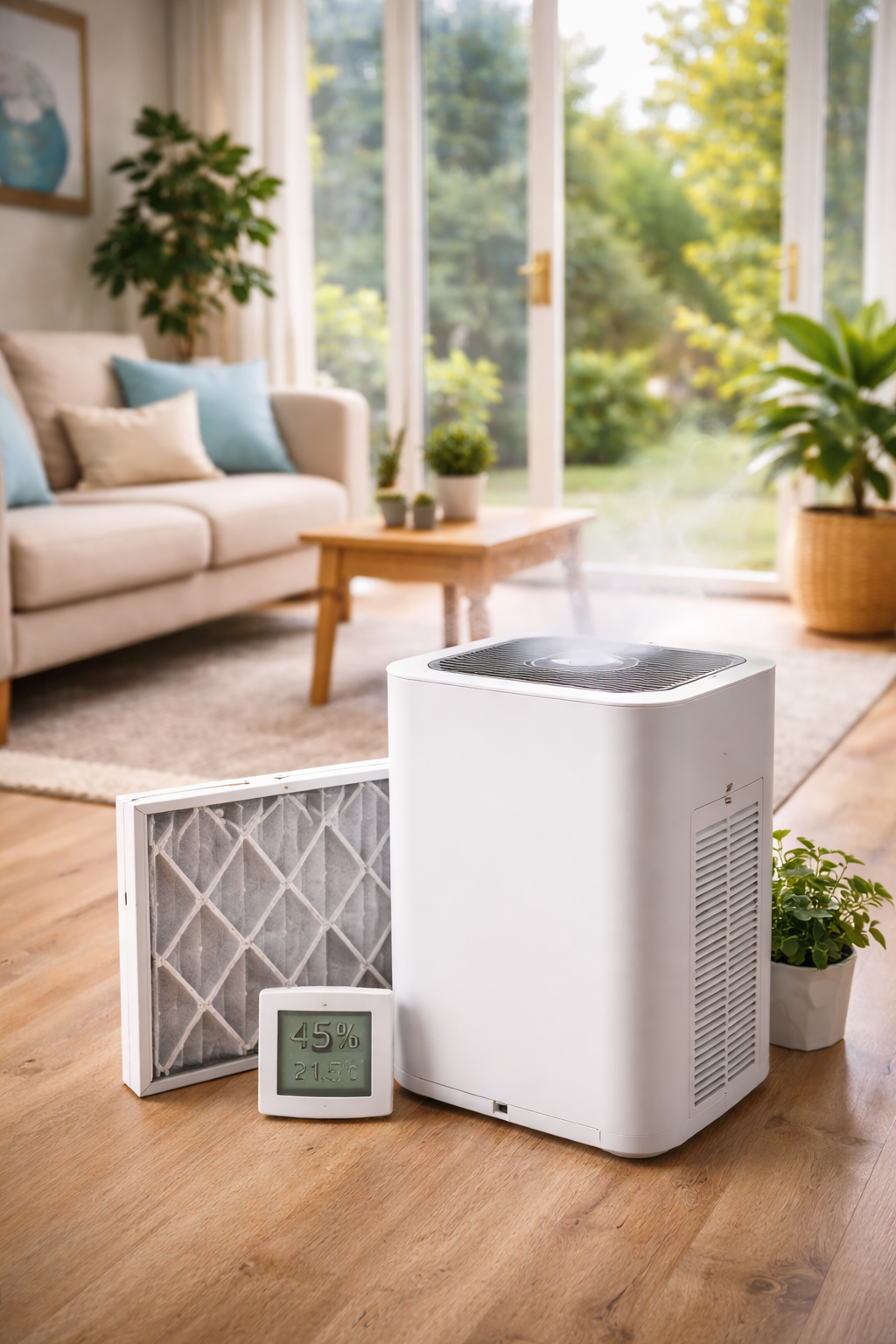
The furnace filter is the first line of defense against airborne contaminants. After months of winter heating, many filters are overdue for replacement.
A clogged filter can:
- Restrict airflow
- Allow dust to circulate
- Increase strain on the blower motor
- Reduce heating efficiency
- Compromise air quality
In larger homes across Embrun and Orleans, airflow balance is essential for both comfort and filtration effectiveness.
We recommend replacing filters before transitioning fully into the cooling season to ensure clean air circulation.
Ductwork Accumulates More Than Most Homeowners Realize
Throughout winter, duct systems collect:
- Dust
- Pet dander
- Debris
- Mold spores
- Dry air particles
As temperatures begin to fluctuate, airflow patterns shift. This can dislodge accumulated dust and redistribute it throughout the home.
Homes in Rockland, Clarence-Rockland, and Limoges often see an increase in dust circulation during seasonal transitions because furnace cycling patterns change.
Addressing airflow and duct cleanliness now improves indoor comfort immediately.
Humidity Balance Is Essential for Comfort
Humidity plays a major role in how warm or cool a home feels. During winter, indoor air is typically dry. As snow melts and moisture levels rise, humidity can become inconsistent.
Low humidity causes:
- Dry skin
- Respiratory discomfort
- Static electricity
- Increased dust circulation
High humidity can cause:
- Window condensation
- Musty odors
- Mold growth
- Reduced comfort
Homes in Cumberland, Casselman, Hammond, and St. Albert often experience humidity swings due to basement temperature changes.
Balancing humidity improves comfort while protecting HVAC systems.
Why Early Spring Is Ideal for HVAC Airflow Checks
As heating season winds down, airflow imbalances often become more noticeable.
Homeowners may notice:
- Certain rooms feeling stuffy
- Weak airflow from vents
- Uneven temperatures between floors
- Air that feels stagnant
Homes in Orleans and Embrun with open-concept layouts depend heavily on proper airflow balance. If airflow was slightly restricted during winter, the seasonal shift may amplify the issue.
We recommend evaluating airflow before switching from heating to cooling modes.
The Role of Ventilation in Healthy Indoor Air
Fresh air exchange is limited during Ottawa winters. As temperatures rise, homeowners begin opening windows — but inconsistent ventilation can create uneven humidity and airflow patterns.
Controlled ventilation:
- Improves oxygen levels
- Reduces stale air
- Balances humidity
- Supports HVAC performance
Homes in Rockland and Clarence-Rockland, where wind exposure can affect pressure balance, benefit significantly from proper ventilation assessment.
Indoor air quality is not just about filtration — it’s about circulation and balance.
Why Indoor Air Quality Affects HVAC Efficiency
Poor air quality directly impacts system performance.
Dust buildup and airflow restriction can cause:
- Increased blower motor strain
- Reduced system efficiency
- Higher energy consumption
- Short cycling
- Premature equipment wear
Homes across Ottawa East often see improved HVAC performance simply by addressing airflow and air quality before cooling season begins.
Early action reduces wear and extends equipment lifespan.
Allergy Season Begins Indoors
As outdoor conditions change, indoor allergens become more noticeable.
Common early spring allergens include:
- Dust mites
- Pet dander
- Mold spores
- Residual winter debris
Homes in Cumberland, Hammond, and St. Albert with colder basements may experience higher mold risk due to moisture from melting snow.
Improving indoor air quality now helps reduce allergy symptoms as spring approaches.
Why Basements Deserve Special Attention
Basements are often the source of indoor air quality concerns.
During early spring:
- Concrete absorbs moisture
- Air becomes damp
- Odors develop
- Dust settles heavily
Homes in Orleans, Rockland, and Embrun with finished basements should monitor air circulation carefully to prevent stale air buildup.
Maintaining proper airflow in basement areas supports overall home air quality.
Practical Steps We Recommend for Homeowners
To improve indoor air quality during seasonal transition, we recommend:
- Replacing furnace filters immediately
- Ensuring all vents are open and unobstructed
- Monitoring humidity levels
- Inspecting basement airflow
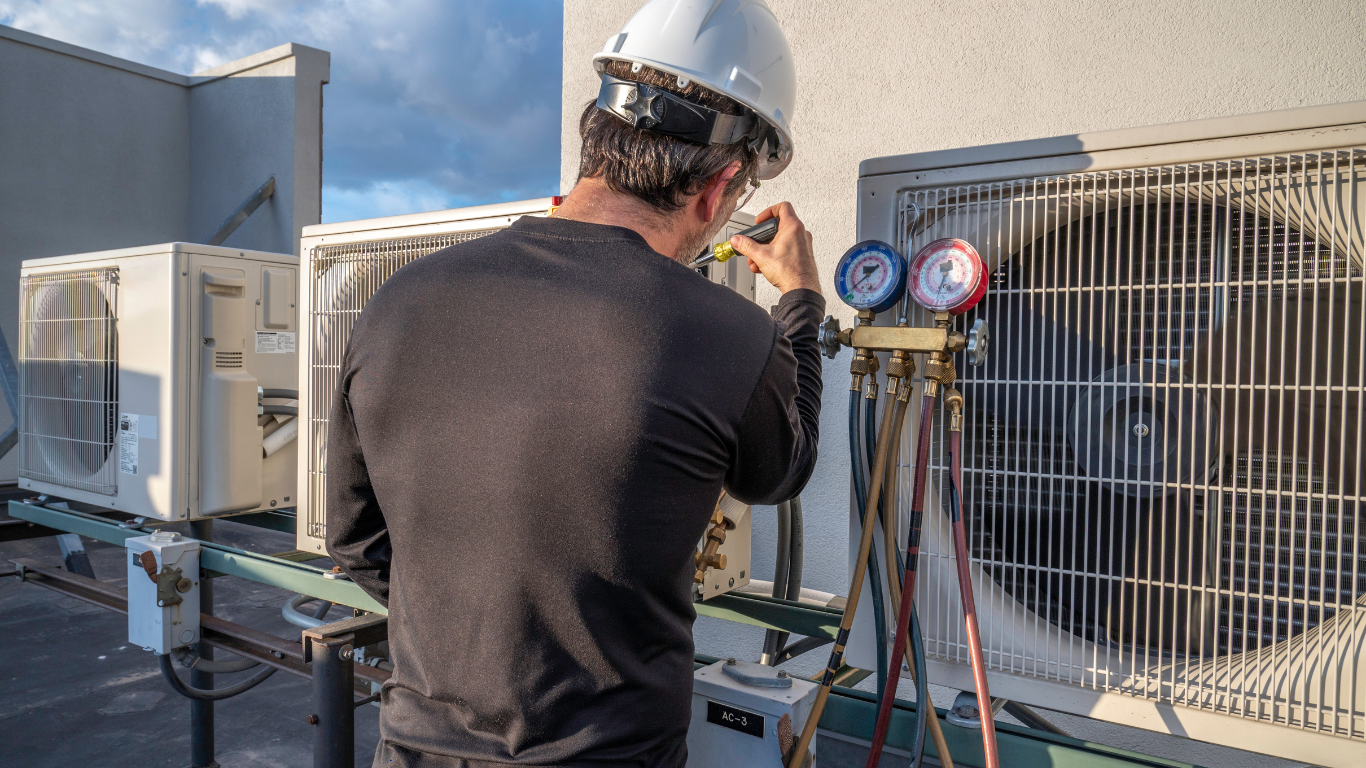
- Scheduling HVAC system inspection
- Paying attention to new odors or dust buildup
These steps help homeowners across Orleans, Rockland, Clarence-Rockland, Cumberland, Embrun, Limoges, Casselman, Hammond, and St. Albert maintain healthier indoor environments.
Why Local Experience Matters for Air Quality Solutions
Indoor air quality challenges vary by community and home type.
Our team understands:
- Wind pressure effects in Rockland
- Rural airflow patterns in Hammond and St. Albert
- Basement humidity concerns in Cumberland
- Open-concept heating and airflow challenges in Orleans
- Long duct systems in Embrun and Limoges
Local knowledge allows us to tailor solutions for each home rather than applying generic fixes.
Final Thoughts: Early Action Improves Comfort Year-Round
Improving indoor air quality during seasonal transition sets the stage for healthier, more comfortable living throughout the year. Homes that address filtration, airflow, and humidity now are better prepared for cooling season and less likely to experience HVAC inefficiencies later.
For homeowners in Orleans, Rockland, Clarence-Rockland, Cumberland, Embrun, Limoges, Casselman, Hammond, and St. Albert, early spring is the smartest time to improve indoor air quality and protect long-term comfort.
Professional Call-to-Action
For expert HVAC inspections, airflow optimization, and indoor air quality solutions across Ottawa’s east end,
Call Noah’s Home Comfort at (343) 227-6992 or email info@noahhomecomfort.com.