Essential December Preparation Tips for Homeowners in Orleans, Rockland, Clarence-Rockland, Embrun & Surrounding Areas
Winter storms are a normal part of life in Ottawa, but each year they seem to arrive earlier, hit harder, and last longer.
Homes across Orleans, Rockland, Clarence-Rockland, Cumberland, Embrun, Limoges, Casselman, Hammond, and St. Albert experience freezing temperatures, high winds, heavy snowfalls, and ice build-up that can quickly lead to unexpected power outages.
When the power goes out during December or January, what starts as an inconvenience can quickly escalate into a dangerous situation — especially when heating and plumbing systems are affected. Furnace shutdowns, frozen pipes, and severely cold indoor temperatures become real threats within hours.
This complete winter outage survival guide explains exactly how homeowners in Ottawa East can prepare, protect their homes, and stay safe until power — and heat — is restored.
Understanding Why Winter Power Outages Are So Dangerous
Winter outages are significantly more dangerous than summer outages because:
- Temperatures drop rapidly inside homes
- Furnaces stop immediately
- Plumbing systems freeze
- Water heaters shut down
- Humidity and condensation fluctuate dramatically
- Frozen pipes can burst
- Sump pumps stop working, risking basement flooding during thaw cycles
Certain areas in Rockland, Clarence-Rockland, Hammond, Casselman, St. Albert, and Limoges are especially vulnerable due to rural exposure and wider temperature swings.
In winter, even a short outage can cause serious damage if homeowners aren’t prepared.
1. How Quickly Your Home Can Cool Without Power
Most homeowners underestimate how quickly indoor temperatures drop once the furnace stops.
Typical indoor temperature drop patterns:
- Older homes: 2–3°C per hour
- Large suburban homes: 1.5–2°C per hour
- Rural homes (Hammond, St. Albert): up to 4°C per hour
- Newer insulated homes: 1–1.5°C per hour
Homes in Orleans, Rockland, and Embrun often drop temperature fastest due to open-concept layouts.
Within just a few hours, indoor temperatures can reach unsafe levels for children, seniors, and pets.
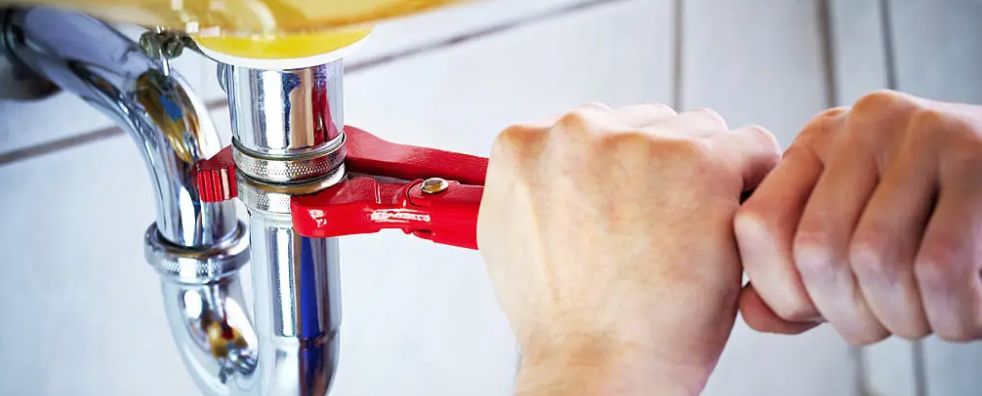
2. Protecting Plumbing from Freezing During a Power Outage
Plumbing systems are highly vulnerable when the furnace turns off.
Pipes most at risk:
- Basement pipes in Cumberland and Casselman
- Kitchen sink pipes on exterior walls in Orleans and Rockland
- Bathroom pipes in Limoges and Embrun
- Crawlspace and garage plumbing in Hammond and St. Albert
How to protect your plumbing immediately:
✔ Leave faucets dripping slightly
Moving water freezes slower than still water.
✔ Open cabinets under sinks
Especially important for kitchen and bathroom sinks along exterior walls.
✔ Close garage doors
Garages in rural areas can drop below zero quickly and affect indoor plumbing.
✔ Shut off water to outdoor taps
A burst outdoor faucet can flood the interior of the home once thawed.
✔ Wrap towels around exposed pipes
This adds temporary insulation.
✔ Use portable heaters safely
Only if you have battery power or access to a generator.
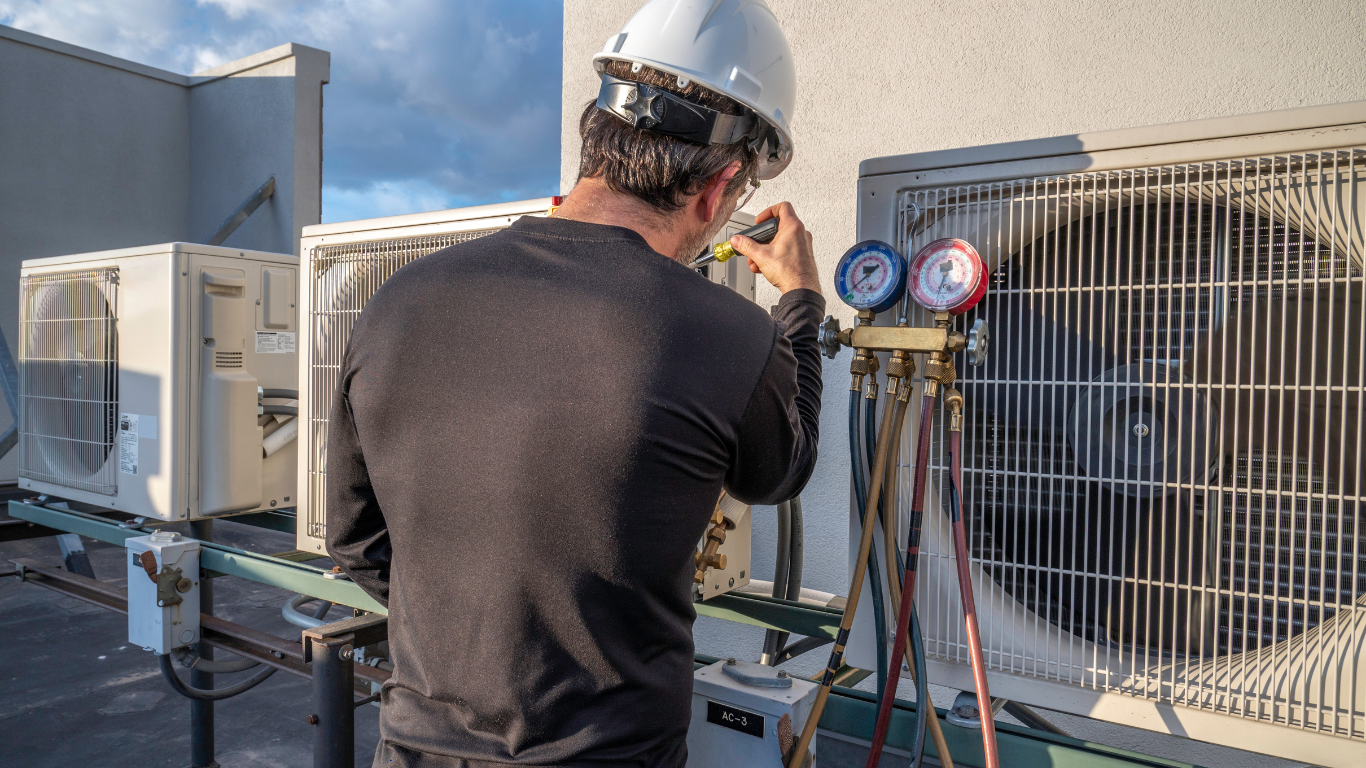
3. Preparing Your Furnace & HVAC System Before an Outage Happens
A furnace cannot run without electricity (even gas furnaces rely on electrical controls), but homeowners can prepare the system so it restarts safely when power returns.
Key HVAC preparation steps:
✔ Replace the furnace filter
Cleaner airflow reduces strain on the system after an outage.
✔ Clear snow around exterior furnace vents
Snow blockage can prevent safe furnace operation when power returns.
✔ Know how to reset your thermostat
Some homes in Orleans and Rockland have programmable thermostats that require manual resets.
✔ Inspect intake and exhaust pipes
Ice buildup can lead to furnace lockouts when the power returns.
✔ Keep the furnace room clear
Don’t store holiday boxes, decorations, or clutter near the unit.
✔ Make sure carbon monoxide detectors have fresh batteries
If the furnace fails to ignite properly during startup, CO risks increase.
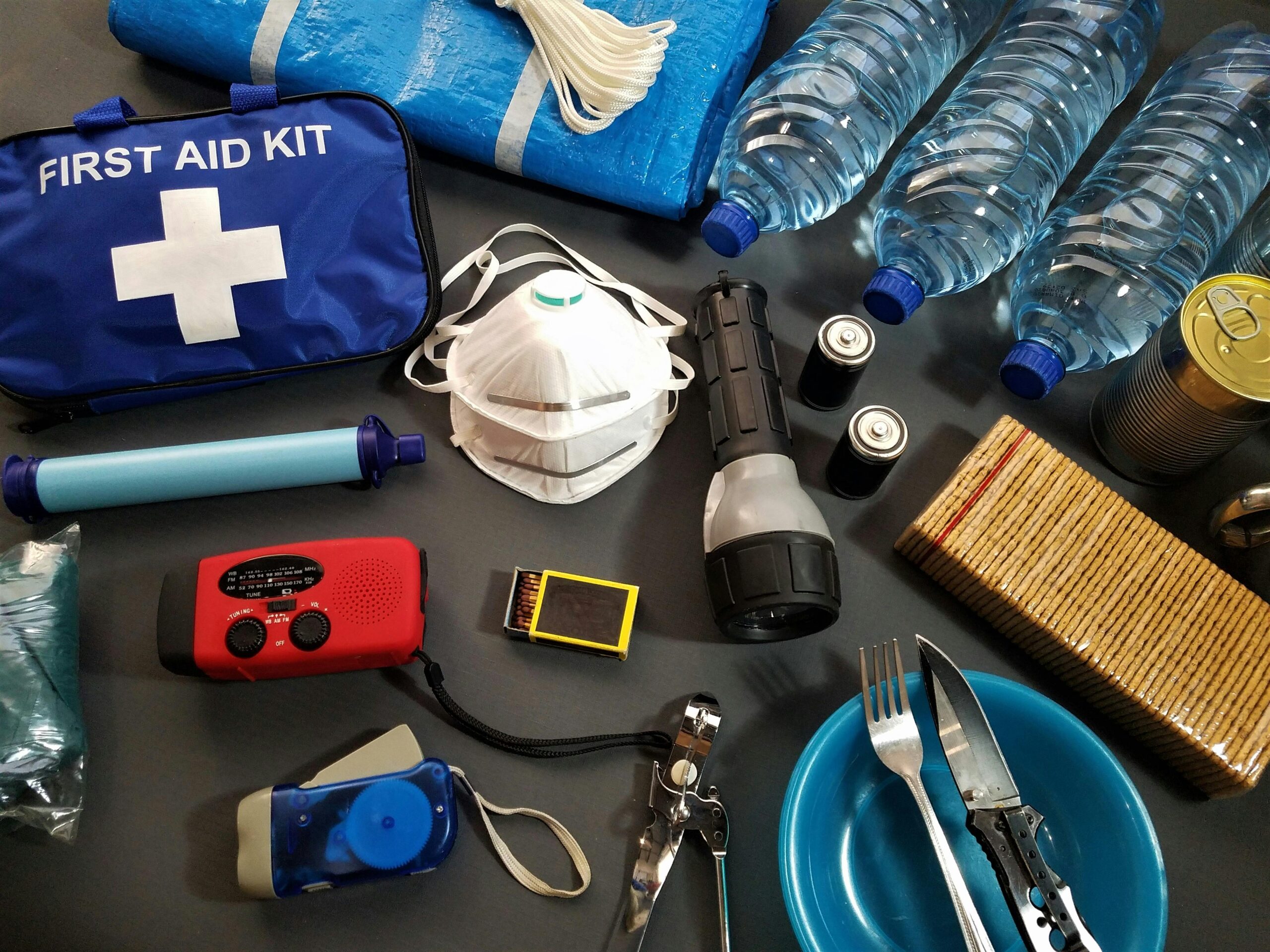
4. Building a Winter Outage Emergency Kit (Customized for Ottawa East Homes)
A proper winter outage kit should include:
Heating & Safety Items
- Battery-powered space heaters (safe models only)
- Flashlights and lanterns
- Extra batteries
- Carbon monoxide detector with battery backup
- Thermal blankets
- Warm clothing layers
HVAC & Plumbing Items
- Pipe insulation
- Towels and rags
- A bucket (for emergency drainage)
- A manual can opener
- A portable battery pack for thermostat resets
- A small generator (if available)
Homes in rural areas like Hammond, Casselman, St. Albert, and Limoges benefit greatly from generator use.
5. Understanding How Long Plumbing Can Survive in Freezing Temperatures
Plumbing begins freezing at 0°C, but the timeline varies:
Basement pipes:
4–8 hours in older homes in Cumberland and Casselman
Kitchen sink exterior pipes:
3–6 hours in homes in Orleans and Rockland
Crawlspace plumbing:
1–4 hours in Hammond, St. Albert, Limoges
Garage plumbing:
1–3 hours in rural homes
This is why fast action is essential when a power outage begins.
6. How to Keep Your Home Warmer During an Outage
Even without power, there are techniques to slow heat loss.
✔ Use one room as your “warm zone”
Preferably:
- A room with the fewest windows
- On the warmest floor (usually the main or upper level)
- With interior walls
Families in Orleans, Embrun, and Rockland often choose living rooms or master bedrooms as warm zones.
✔ Close all interior doors
Trap warmth where you need it most.
✔ Hang blankets over windows and door openings
Highly effective in older homes in Cumberland, Casselman, and St. Albert.
✔ Use area rugs
Cold floors accelerate heat loss.
✔ Keep curtains closed
Except during sunny daylight hours.
✔ Seal drafty doors with towels
Key for rural homes in Hammond and Limoges where wind exposure is severe.
7. Should You Use a Generator for Heating?
Generators can help power some home systems during winter outages, but only if used safely.
Important generator safety rules:
- Never use a generator indoors
- Keep it at least 20 feet from windows and doors
- Use outdoor-rated extension cords
- Never overload the generator
- Ensure proper ventilation
Generators are especially useful in rural communities such as St. Albert, Hammond, Casselman, and Limoges, where outages may last longer.
8. Restarting Your Furnace Safely After the Power Returns
Many homeowners assume their furnace will turn on automatically — but it often doesn’t.
Checklist after power restoration:
✔ Check the thermostat
Make sure it has restarted and is set correctly.
✔ Check the furnace switch
Some systems power off during outages.
✔ Check the breaker
Furnace breakers may trip during outages.
✔ Wait 5 minutes for systems to recalibrate
Modern furnaces often perform safety checks after power is restored.
✔ Check vents and intake pipes
Ice/snow blockages can prevent ignition.
✔ Listen to ensure the furnace completes a full ignition cycle
If it clicks repeatedly or shuts down, call for service immediately.
Homes in Rockland, Clarence-Rockland, Orleans, and Embrun frequently report ignition issues after outages.
9. When to Call for Emergency HVAC Service After an Outage
Call immediately if:
- Furnace won’t start
- Furnace starts but blows cold air
- Burner flame is yellow or flickering
- You hear repeated clicking
- Carbon monoxide detector activates
- You smell gas
- There is water leaking near the furnace or water heater
- Pipes are frozen or suspected to be frozen
Delaying service risks further damage and unsafe operation.
10. Why Local HVAC Expertise Is Essential After a Winter Outage
Ottawa East heating systems face unique weather and structural challenges.
A local technician understands:
- Rural temperature swings in St. Albert and Hammond
- High wind exposure in Rockland and Clarence-Rockland
- Older plumbing layouts in Cumberland
- New suburban furnace rooms in Orleans
- Multi-level heating challenges in Embrun and Limoges
This knowledge ensures faster diagnosis and safer furnace recovery after an outage.
Final Thoughts: Being Prepared Is the Best Winter Strategy
Winter power outages are unpredictable — but your response doesn’t have to be.
With the right preparation, homeowners in Orleans, Rockland, Clarence-Rockland, Embrun, Cumberland, Limoges, Casselman, Hammond, and St. Albert can protect their families, their plumbing systems, their HVAC equipment, and their homes.
Preparedness is the key to staying safe, warm, and damage-free when the worst winter storms hit.
Call-to-Action
For fast, reliable HVAC and plumbing support across Ottawa’s east end, especially after winter power outages,
Call Noah’s Home Comfort at (343) 227-6992 or email info@noahhomecomfort.com.