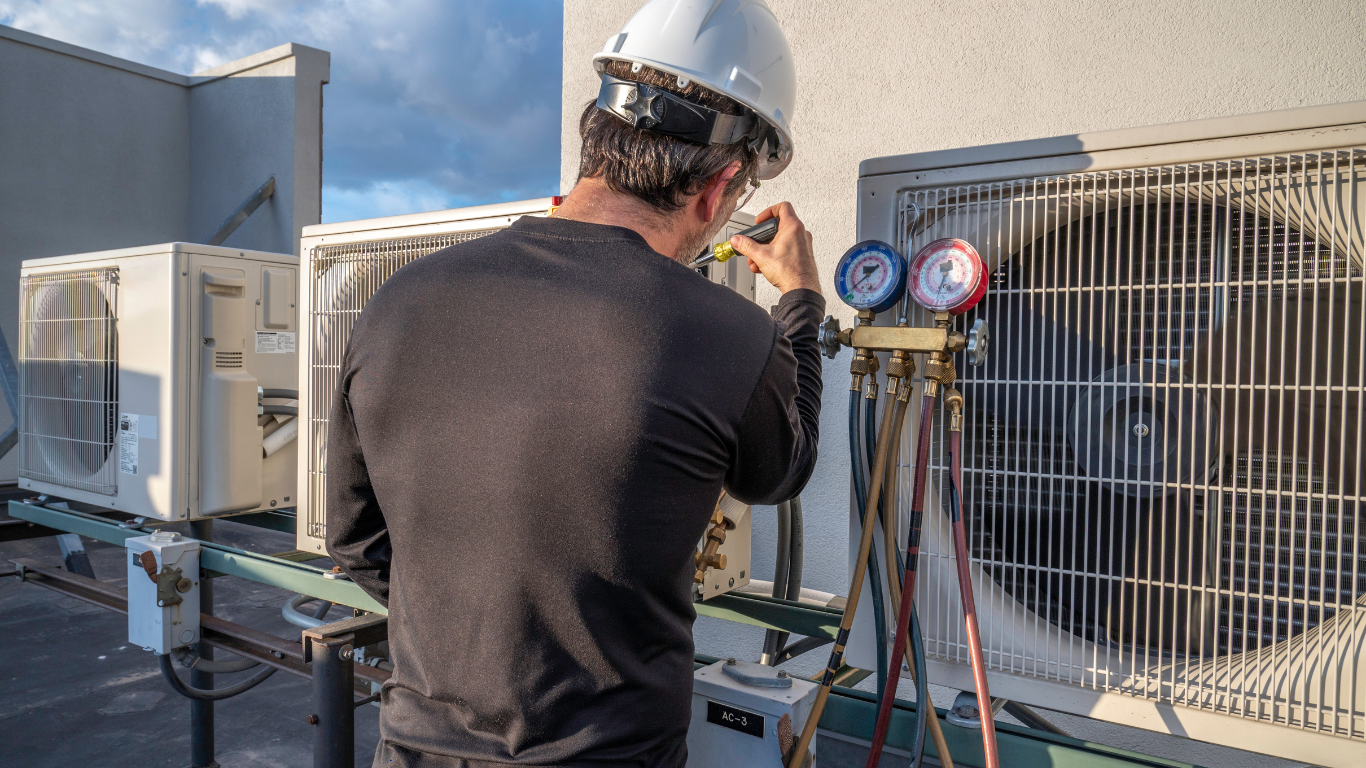
By the time August arrives in Ottawa, a lot of homeowners assume AC maintenance season is over. The air conditioner has been running since spring, the busiest calls seem to have passed, and fall is just around the corner. You might be thinking:
- “If something was going to break, it would have already, right?”
- “Is there any point tuning up the AC when summer’s almost done?”
- “Should I just wait until next year?”
At Noah’s Home Comfort, we hear this all the time—and our honest answer is: no, it’s not too late. A late-summer AC tune-up can still pay off in several important ways, both for the rest of this season and for next summer’s comfort and reliability.
In this blog, we’ll walk through why August is still a smart time to look after your cooling system, what we focus on during a tune-up, and how we help you decide whether you should schedule service now or plan for a different kind of visit.
Why AC Maintenance Still Matters in August
It’s easy to see the value of AC service in May or June. You’re getting ready for hot weather, and it feels proactive. By August, it can feel like maintenance is “too late”—but that’s not how your equipment works.
Your air conditioner has just worked through:
- Long, humid stretches
- Heavy use during heat waves
- Constant cycling on hot days and nights
All of that wear and tear doesn’t magically reset when the calendar flips to September.
A late-summer tune-up helps you:
- Finish the season strong, with fewer surprises
- Catch issues that could cause early breakdowns next year
- Identify whether your system is still in good shape or near the end of its life
In other words, you’re not only thinking about the next few weeks—you’re investing in next year’s reliability too.
Benefit 1: Preventing Late-Season Breakdowns
August and early September can still bring serious heat in Ottawa. The last thing you want is a breakdown when you thought you were “almost in the clear.”
A tune-up can help us spot:
- Motors that are running hot or struggling
- Electrical connections that are loose or worn
- Coils that are dirty enough to strain the system
- Small refrigerant-related issues that may get worse
Catching these problems now can mean:
- Fewer no-cool emergencies at the tail end of summer
- Less chance of your system failing on the first hot day next year
- The ability to plan repairs at a less stressful time
Even if you’ve made it this far without a breakdown, late-summer is often when hidden weaknesses begin to show.
Benefit 2: Improving Comfort for the Rest of the Season
Just because summer is past the halfway mark doesn’t mean you’re done using your air conditioner. Late-summer and early fall can still bring:
- Hot, sunny days
- Warm, stuffy evenings
- High humidity that lingers even if the temperature isn’t extreme
If you’ve been noticing:
- Rooms that aren’t as cool as they used to be
- Longer run times for the same level of comfort
- Uneven cooling between floors
then a tune-up can still improve your comfort right now.
During a late-summer AC visit, we can:
- Clean coils and check airflow
- Address issues that contribute to hot spots and uneven cooling
- Verify that your thermostat and controls are working properly
It’s not “too late” if you’re still relying on your AC daily—and many families are, right into September.
Benefit 3: Boosting Efficiency After a Long Season of Use
By August, your system has:
- Pulled dust and debris across filters and coils
- Run through many hours of operation
- Potentially experienced small performance losses that add up on your energy bills
A tune-up helps us:
- Clean components that affect heat transfer and airflow
- Check fan operation and overall system performance
- Make small adjustments that help the unit run more smoothly and efficiently
You may notice:
- Shorter run times
- More consistent cooling
- A bit of relief on late-summer utility bills
Even if the season is winding down, it still makes sense to help your AC run as efficiently as it can.
Benefit 4: Getting a Head Start on Next Summer
Here’s a key point: your AC doesn’t reset in spring. Whatever condition it’s in when you shut it off at the end of the season is how it will be when you go to start it again.
A late-summer tune-up gives us a chance to:
- See how the system performs under real cooling load, not just a quick spring test
- Document parts that are aging or borderline—so you’re not surprised next year
- Give you clear guidance like:
- “You’re in good shape; just plan regular maintenance.”
- “This unit will likely need attention soon; let’s budget for that.”
- “We should start talking about replacement options over the next year or two.”
That way, you head into the off-season with information instead of uncertainty.
Many homeowners prefer this because:
- They can budget and plan for upgrades instead of reacting to an emergency.
- They can consider replacements or major repairs before the next cooling rush, not in the middle of it.
What We Do During a Late-Summer AC Tune-Up
Our process during an August AC tune-up is similar to what we’d do in spring—but with the added benefit of seeing how your system has handled the worst of the season.
While every home and system is a bit different, a typical tune-up may include:
1. Visual Inspection and Safety Check
We look for obvious issues with:
- The outdoor unit (damage, debris, visible wear)
- The indoor components (air handler or furnace with AC coil)
- Wiring, connections, and visible refrigerant lines
We want to ensure everything is operating safely before diving into performance.
2. Airflow and Filter Check
We:
- Check your filter and airflow through the system
- Look at supply and return vents for signs of restriction
- Note any concerns about duct layout or balance
If something simple—like a severely clogged filter—is hurting performance, we deal with that first.
3. Coil and Component Cleaning (Where Needed)
We may:
- Clean or carefully wash the condenser coil (outdoor unit) if it’s dirty
- Look at the evaporator coil (indoor) where accessible
- Check fan blades and housings for dust and buildup
Cleaner components mean better heat transfer and smoother operation.
4. Electrical and Mechanical Checks
We inspect:
- Motors and capacitors
- Contactors and key electrical connections
- Fan operation and noise
We’re looking for parts that are weak, worn, or near failure—even if they haven’t fully failed yet.
5. Performance Testing
We:
- Check temperature differences across the system where appropriate
- Listen and observe how the unit cycles
- Compare what we see now to typical performance for similar equipment
If something seems off, we dig deeper and talk with you about repair options or next steps.
Is There Ever a Time When It Makes More Sense to Wait?
There are situations where we might say, “Let’s focus on planning instead of a traditional tune-up.”
For example:
- Your AC is very old and has already been recommended for replacement.
- You’ve had multiple repairs this season, and it’s clear the system is near the end of its life.
- You’re actively planning a full system upgrade in the near future.
In those cases, our conversation may shift toward:
- How to limp through the rest of the season safely (if your system is still operational).
- What equipment options make sense for your home.
- How to schedule replacement before next cooling season, or possibly before next spring.
Even then, it still isn’t “too late” to get value from a visit—we just might use that visit a bit differently, focusing on planning and decision-making rather than a standard tune-up.
Signs You Should Definitely Call, Even in Late Summer
If you’re on the fence about booking service in August, here are some strong reasons to reach out:
- Your AC is running constantly, but the house still isn’t comfortable.
- You notice strange noises (grinding, buzzing, rattling) from the indoor or outdoor unit.
- There’s water around the indoor unit, or you suspect a drain issue.
- Some rooms are much warmer than others, and it’s getting worse.
- You’ve had rising energy bills without changing your usage much.
These are signs that something may be wrong—or at least not optimal—and waiting until next year can allow a minor issue to turn into a bigger one.
How We Approach Late-Summer Service Calls
When you call Noah’s Home Comfort in August or early fall, we don’t treat your call as “too late.” Instead, we ask:
- How is your system performing right now?
- How old is the equipment?
- Have you noticed any recent changes in comfort or noise?
- What are your plans for the home over the next few years?
Then we:
- Recommend the type of visit that makes the most sense (tune-up, diagnostic, planning consultation).
- Explain what we’re going to look at and what you can expect.
- Give you clear, honest feedback once we’ve seen the system in person.
Our goal is always to help you make informed decisions, not just get through today.
Call to Action
If you’ve been wondering whether it’s too late to book an AC tune-up in August, the short answer is: it’s not too late at all—and it may be exactly the right time.
Whether you want to finish the season comfortably, reduce the risk of surprise breakdowns, or get a clear picture of what to expect next year, we’re here to help.
Call Noah’s Home Comfort at (343) 227-6992 or email info@noahhomecomfort.com to schedule your late-summer AC tune-up or cooling system assessment. We’ll check how your system is doing after a long season, address any issues we find, and help you plan ahead so your home stays comfortable and prepared for many Ottawa summers to come.