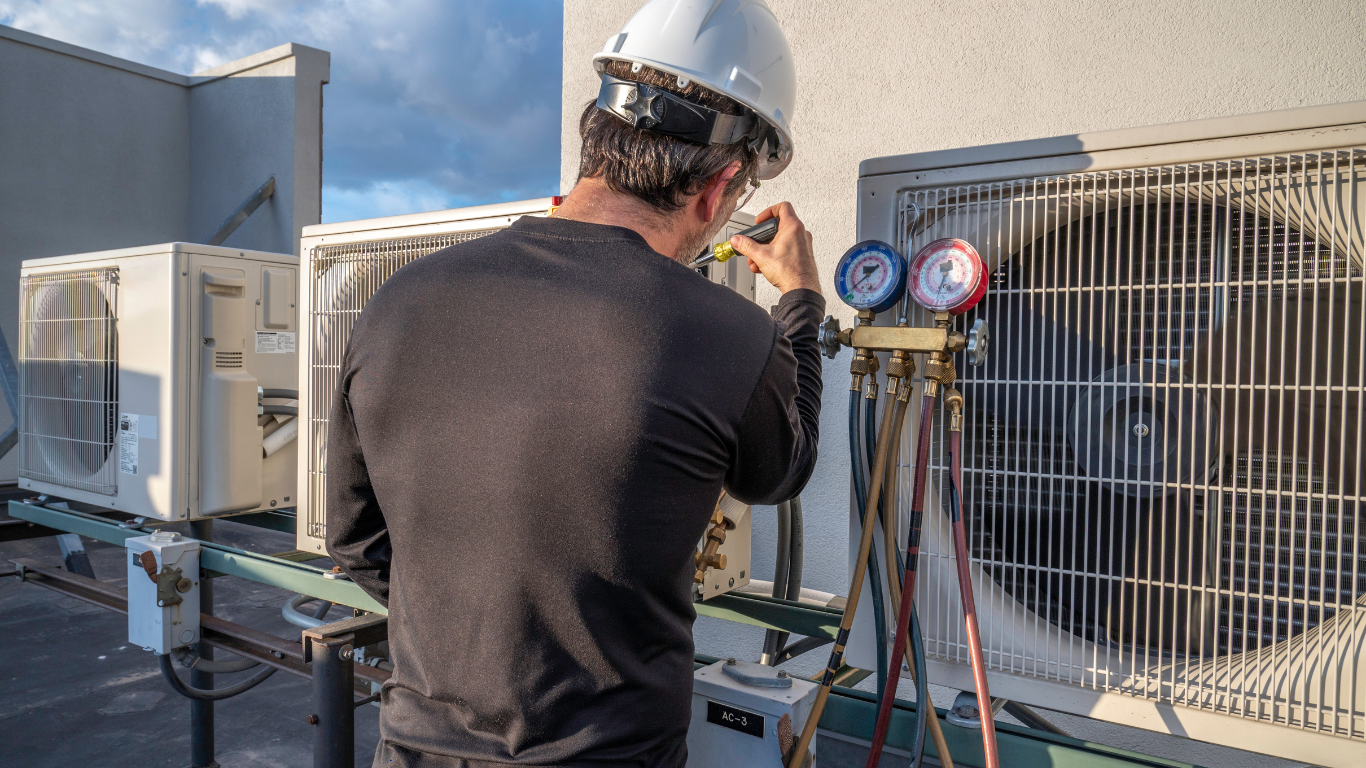
What Homeowners in Orleans, Rockland, Clarence-Rockland, Embrun & Surrounding Areas Need to Know Before a Heating Crisis Hits
Winter in Ottawa doesn’t just arrive — it takes over. Temperatures plunge, snow piles up, wind chills drop into the extreme range, and homeowners rely heavily on their heating systems to survive the cold. For families in Orleans, Rockland, Clarence-Rockland, Cumberland, Embrun, Limoges, Casselman, Hammond, and St. Albert, a reliable HVAC system is not a luxury — it’s a necessity.
When a furnace stops working in mid-December during a cold snap, the situation becomes urgent fast. The home rapidly loses heat, plumbing systems risk freezing, and families face unsafe indoor temperatures. That’s why emergency HVAC service is so critical in Ottawa East.
This detailed December guide explains why fast heating service matters, what qualifies as an HVAC emergency, how to stay safe during a heating crisis, and why local expertise is essential during Ottawa’s harshest months.
Understanding Ottawa East’s Winter HVAC Demands
Homes in communities like Orleans, Rockland, Clarence-Rockland, Cumberland, Embrun, Limoges, Casselman, Hammond, and St. Albert face some of the coldest winter conditions in Ontario.
These regions experience:
- Prolonged temperature drops below -20°C
- Wind chills that make indoor heat loss faster
- Heavy snowfall that stresses outdoor HVAC components
- Icy conditions affecting venting and air intake systems
- Higher daily furnace cycling than in other parts of the province
Because HVAC systems must work harder and for longer periods, even minor issues can quickly escalate into major system failures.
1. Why Emergency HVAC Service Is Essential — Not Optional
A furnace breakdown during winter in Ottawa East is not just inconvenient — it’s dangerous.
Without heat, homeowners risk:
- Hypothermia in extreme cold
- Frozen water lines
- Burst pipes
- Water damage
- Mold growth
- Electrical hazards
- Unsafe indoor humidity levels
In homes located in Rockland, Orleans, Embrun, and Cumberland, where basements and exterior rooms can drop very low very quickly, the risk is even higher.
Failing to respond quickly during a no-heat situation can mean thousands of dollars in property damage — and serious health risks.
2. What Qualifies as an HVAC Emergency?
Many homeowners aren’t sure what counts as an emergency situation, and they hesitate to call for help until the furnace stops entirely. But certain signs should prompt immediate action.
Clear signs of an HVAC emergency include:
A. Complete Loss of Heat
If the furnace stops producing heat entirely during cold weather, the home will begin cooling rapidly — especially in open-concept homes in Orleans and large rural homes in St. Albert and Hammond.
B. Burning, Electrical, or Metallic Smells
Any unusual furnace smell indicates a potential fire hazard or failed electrical component.
C. Loud, Sudden Mechanical Noises
Grinding, banging, or screeching noises often mean a failing:
- Motor
- Blower
- Ignition system
- Heat exchanger
Homes in Embrun, Rockland, and Clarence-Rockland experience this frequently due to extended furnace run times.
D. Yellow or Flickering Burner Flames
This signals a combustion issue — and possible carbon monoxide risk.
E. Carbon Monoxide Detector Alarms
A CO alarm means immediate evacuation and emergency service.
Older homes in Cumberland, Casselman, and Limoges face greater CO risks.
F. Furnace Short Cycling
Rapid turning on and off is a sign of overheating — not just a thermostat glitch.
G. Ice Blockage on Exterior Exhaust or Intake Pipes
This can cause furnace shutdowns and unsafe operation.
Rockland and Clarence-Rockland homes near the river face this risk often.
H. Sudden Increase in Utility Bills
A dramatic jump indicates a furnace operating inefficiently or dangerously.
When any of these warning signs appear, emergency service is not only recommended — it’s essential.
3. How Quickly a Home Can Lose Heat in an Ottawa Winter
Many homeowners underestimate how fast temperatures drop indoors without a working furnace.
Typical indoor temperature drop:
- 1–2°C per hour in standard homes
- 3°C or more per hour in older or rural homes
- Faster during extremely windy or stormy conditions
Homes in Clarence-Rockland, Cumberland, and Embrun cool quickly due to open layouts and larger room sizes.
Children, seniors, and pets are especially vulnerable to cold indoor temperatures.
4. Frozen Pipes: The Most Expensive HVAC Emergency Side Effect
A no-heat situation often leads to another disaster: frozen plumbing.
Pipes most vulnerable:
- Exterior wall pipes in Orleans split-level homes
- Basement plumbing in Cumberland farmhouses
- Kitchen sink pipes in Rockland and Clarence-Rockland
- Crawlspace pipes in Embrun and Limoges
- Laundry room plumbing in Casselman and Hammond
Once a pipe freezes, it can burst with enough force to flood the entire area.
The cost of repair increases exponentially:
- Pipe repair
- Drywall replacement
- Flooring replacement
- Water mitigation
- Mold remediation
Emergency HVAC failures often cost homeowners far more than just furnace repairs.
5. What Homeowners Should Do While Waiting for Emergency HVAC Help
Knowing what to do before the technician arrives can protect your home from serious damage.
A. Keep Interior Doors Open
This promotes air circulation and slows temperature drop.
B. Open Cabinet Doors Under Sinks
Especially in Orleans, Rockland, Embrun, and Cumberland homes — this protects pipes.
C. Run Faucets at a Slow Drip
Moving water is less likely to freeze.
D. Close Off Unused Rooms
Focus heat where it’s needed most.
E. Use Space Heaters Safely
Only in short durations and away from flammable materials.
F. Layer Curtains and Draft Stoppers
Helps retain heat in older homes in Casselman and Limoges.
G. Check the Thermostat and Breaker
A tripped breaker is an easy fix — but if the furnace keeps tripping it, call for service immediately.
These temporary steps help stabilize the home until professional help arrives.
6. Why Winter Is the Most Dangerous Season for DIY Furnace Repairs
Homeowners often search for quick fixes, especially during holidays or late evenings.
However, DIY furnace repair in winter is extremely risky.
Why DIY is unsafe:
- Furnaces involve live electrical components
- Gas furnaces require precise combustion
- Improper repairs can cause fires
- Opening the furnace can void warranties
- CO risks increase when systems are tampered with
- Mistakes often lead to costlier repairs later
Homes in Rockland, Clarence-Rockland, and Orleans, with older furnace models, face even greater risks.
DIY may seem tempting — but emergency furnace repair should always be handled by trained technicians.
7. The Most Common Emergency Furnace Repairs in Ottawa East
1. Ignitor Failure
One of the most frequent emergency service calls.
Typical in Orleans and Rockland.
2. Flame Sensor Malfunction
Often caused by buildup.
Common in Embrun and Clarence-Rockland.
3. Blower Motor Failure
This causes sudden loss of heat.
4. Blocked Air Intake
Ice and snow buildup frequently affect rural homes in Hammond, Casselman, and St. Albert.
5. Thermostat Failure
Leads to inconsistent or no heating.
6. Cracked Heat Exchanger
A serious issue requiring immediate shutdown.
7. Faulty Pressure Switches
Often caused by wind, ice, or vent issues.
Knowing these common issues helps homeowners understand what might be happening when their furnace shuts down unexpectedly.
8. Why Local HVAC Expertise Matters Most in Emergencies
Ottawa East homes face unique challenges:
- River winds affecting Rockland and Clarence-Rockland
- Rural cold exposure affecting Embrun and St. Albert
- Older ductwork in Cumberland
- Multi-level homes in Orleans
- Larger family homes in Limoges and Casselman
Local technicians understand:
- Seasonal furnace strain
- Common winter failure patterns
- Local weather impacts
- Unique rural installation setups
- Electrical panel configurations common in the region
This ensures faster, safer, and more effective emergency repairs.
9. How Homeowners Can Prevent Future Heating Emergencies
Prevention is always better than emergency repair — and more affordable.
Essential steps include:
- Annual furnace maintenance
- Filter replacement
- Clearing snow from outdoor vents
- Keeping thermostat batteries fresh
- Inspecting basement temperature levels
- Listening for early warning signs
- Watching winter utility bills
- Sealing drafts around the home
These steps dramatically reduce the risk of emergency breakdowns in homes across Orleans, Rockland, Clarence-Rockland, Cumberland, Embrun, Limoges, Casselman, Hammond, and St. Albert.
Final Thoughts: Emergency HVAC Services Protect Homes, Families, and Comfort
Emergencies don’t wait for convenient times. Furnace failures happen during storms, at night, on holidays, and during the coldest weeks of winter.
For Ottawa East homeowners, emergency HVAC service is more than a repair option — it’s a critical service that protects lives and prevents major home damage.
When heating fails, quick action is essential. Knowing the signs, taking early protective steps, and calling a trusted professional ensures your home stays warm and safe all winter long.
Call-to-Action
For fast, reliable emergency HVAC service across Ottawa’s east end,
Call Noah’s Home Comfort at (343) 227-6992 or email info@noahhomecomfort.com