Late-Winter Hot Water Challenges in Orleans, Rockland, Clarence-Rockland, Embrun & Surrounding Areas
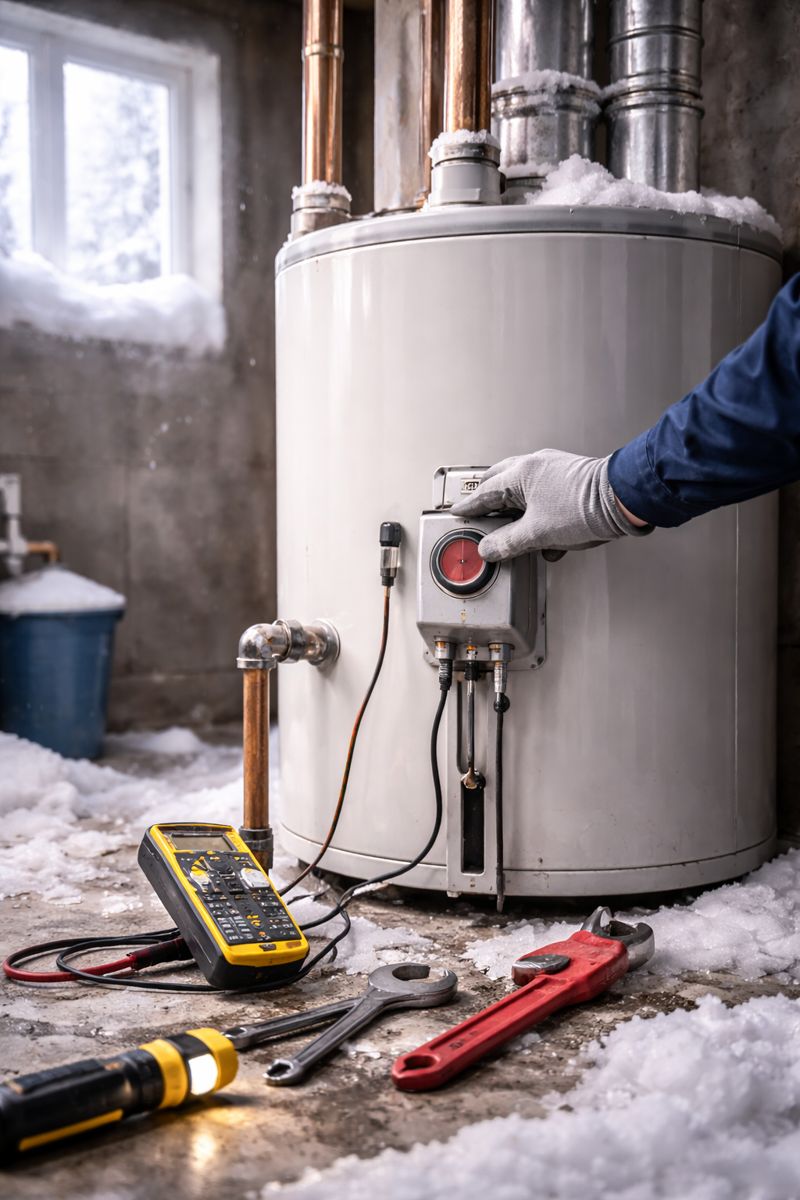
February is a turning point for residential water heaters across Ottawa East. By this stage of winter, hot water systems have already endured months of heavy use, colder incoming water, and fluctuating temperatures. For homeowners in Orleans, Rockland, Clarence-Rockland, Cumberland, Embrun, Limoges, Casselman, Hammond, and St. Albert, February is often when water heater performance begins to decline noticeably.
Unlike sudden failures earlier in winter, February water heater issues are usually the result of accumulated stress combined with freeze-thaw conditions. Hot water may still be available, but recovery slows, temperatures fluctuate, and warning signs become harder to ignore.
Understanding why February is such a critical month for water heater reliability helps homeowners prevent unexpected breakdowns during the final stretch of winter.
Why February Places Extra Stress on Water Heaters
Water heaters operate continuously throughout winter, but February introduces unique challenges.
In Ottawa East, February often brings:
- Fluctuating outdoor temperatures
- Freeze-thaw cycles affecting water supply lines
- Colder basement conditions during overnight drops
- Increased household water use after holiday routines return
- Sediment disturbance inside tanks
Homes in Rockland and Clarence-Rockland experience added stress from wind-driven cold that cools basements faster. Rural homes in Hammond, St. Albert, Limoges, and Casselman often have water heaters located in colder mechanical rooms, increasing heat loss around the tank.
By February, even well-maintained water heaters are working harder to keep up.
Slower Hot Water Recovery Is a Common February Complaint
One of the earliest signs of February water heater strain is slower recovery time.
Homeowners often notice:
- Hot water running out faster
- Back-to-back showers becoming difficult
- Longer waits for hot water to return
- Lukewarm water during peak usage
This issue is especially common in family homes in Orleans, Rockland, and Embrun, where daily routines involve multiple showers, laundry cycles, and dishwashing.
Colder incoming water in February means the tank must work longer to reheat — exposing efficiency issues that may not have been noticeable earlier in winter.
Sediment Buildup Becomes More Problematic in February
Sediment naturally accumulates at the bottom of water heater tanks over time. February freeze-thaw cycles can disturb this buildup, causing new performance issues.
Common sediment-related symptoms include:
- Rumbling or popping sounds
- Uneven heating
- Reduced tank capacity
- Higher energy usage
Homes in Embrun, Limoges, and Casselman, where mineral content is higher, often experience more pronounced sediment issues by late winter.
When sediment hardens and shifts, heating elements must work harder, accelerating wear and increasing the risk of failure.
Why February Is When Small Leaks Appear
February temperature fluctuations cause plumbing materials to expand and contract repeatedly.
This movement can worsen:
- Weak fittings
- Aging valves
- Corroded tank seams
- Loose connections
Small leaks often appear as:
- Moisture at the base of the tank
- Damp concrete nearby
- Rust stains on fittings
- Condensation that doesn’t dry
Homes in older areas of Cumberland, Casselman, and Hammond are particularly susceptible due to aging plumbing components.
Ignoring minor leaks in February can lead to sudden tank failure later in winter.
Water Temperature Fluctuations Are a Serious Warning Sign
Inconsistent water temperature should never be dismissed.
February homeowners may experience:
- Sudden bursts of very hot water
- Water turning cold unexpectedly
- Inability to maintain a stable temperature
These symptoms may indicate:
- Failing thermostats
- Worn heating elements
- Burner or ignition issues
- Sediment interference
Homes with children or seniors in Orleans and Rockland should treat temperature fluctuations as a safety concern, not just a comfort issue.
How February Affects Tankless and Traditional Water Heaters
Both tank and tankless systems face challenges in February.
Traditional Tank Systems
- Slower recovery due to colder water
- Increased sediment impact
- Greater heat loss in cold basements
Tankless Systems
- Higher demand during cold water intake
- Longer run times
- Sensitivity to flow rate changes
- Increased wear on heating components
Homes in Embrun, Rockland, and Clarence-Rockland often notice tankless systems working harder in February, especially during morning and evening peak usage.
Why Energy Bills Increase Due to Water Heater Strain
February energy bills often rise due to water heater inefficiency.
Increased energy use occurs because:
- Water heaters run longer cycles
- Sediment reduces heat transfer
- Cold basements increase heat loss
- Systems compensate for fluctuating demand
Homeowners across Ottawa East frequently attribute higher bills solely to heating, overlooking the water heater’s contribution.
Late-winter inefficiency can significantly impact monthly costs.
The Link Between Water Heaters and Plumbing Freeze Risk
Water heaters help stabilize plumbing temperatures.
When hot water performance declines:
- Pipes cool faster
- Exterior wall plumbing becomes more vulnerable
- Basement lines lose residual warmth
In Cumberland, Hammond, and St. Albert, reduced hot water flow during February can increase freeze risk in plumbing systems — especially overnight.
Maintaining reliable water heater performance helps protect the entire plumbing network.
When February Repairs Make Sense
Repair is often appropriate when:
- The tank is under 10 years old
- Issues are limited to thermostats or elements
- There are no signs of tank corrosion
- Leaks are from fittings, not the tank body
Addressing these issues in February can restore performance through the remainder of winter.
When Replacement Is the Safer Choice
Replacement may be recommended when:
- The tank is over 10–12 years old
- Rusty or discoloured water is present
- The tank body shows signs of corrosion
- Repairs are becoming frequent
- Hot water demand has increased
Homes in Orleans, Rockland, and Embrun with growing families often benefit from upgrading capacity before spring demand shifts.
How Homeowners Can Support Water Heater Performance in February
Simple steps can reduce strain:
- Space out hot water usage
- Avoid excessive temperature adjustments
- Keep mechanical rooms warm
- Insulate exposed hot water pipes
- Watch closely for warning signs
- Address small leaks immediately
These actions are especially important in rural homes in Hammond, St. Albert, Limoges, and Casselman.
Why Local Experience Matters for February Water Heater Service
February water heater challenges vary by location. Local expertise ensures accurate diagnosis.
Professionals familiar with Ottawa East understand:
- Cold basement conditions in Cumberland
- Wind-driven heat loss in Rockland
- Long plumbing runs in Embrun
- Rural mechanical room exposure in Hammond
- Mineral content variations in Limoges and Casselman
This regional knowledge leads to better long-term solutions during late winter.
Final Thoughts: February Is a Stress Test for Hot Water Systems
February exposes water heater weaknesses that earlier winter may have hidden. For homeowners in Orleans, Rockland, Clarence-Rockland, Cumberland, Embrun, Limoges, Casselman, Hammond, and St. Albert, paying attention to performance changes is essential.
Early action prevents cold-weather failures, controls energy costs, and ensures reliable hot water until spring arrives.
Professional Call-to-Action
For expert water heater service and winter plumbing support across Ottawa’s east end,
Call Noah’s Home Comfort at (343) 227-6992 or email info@noahhomecomfort.com.