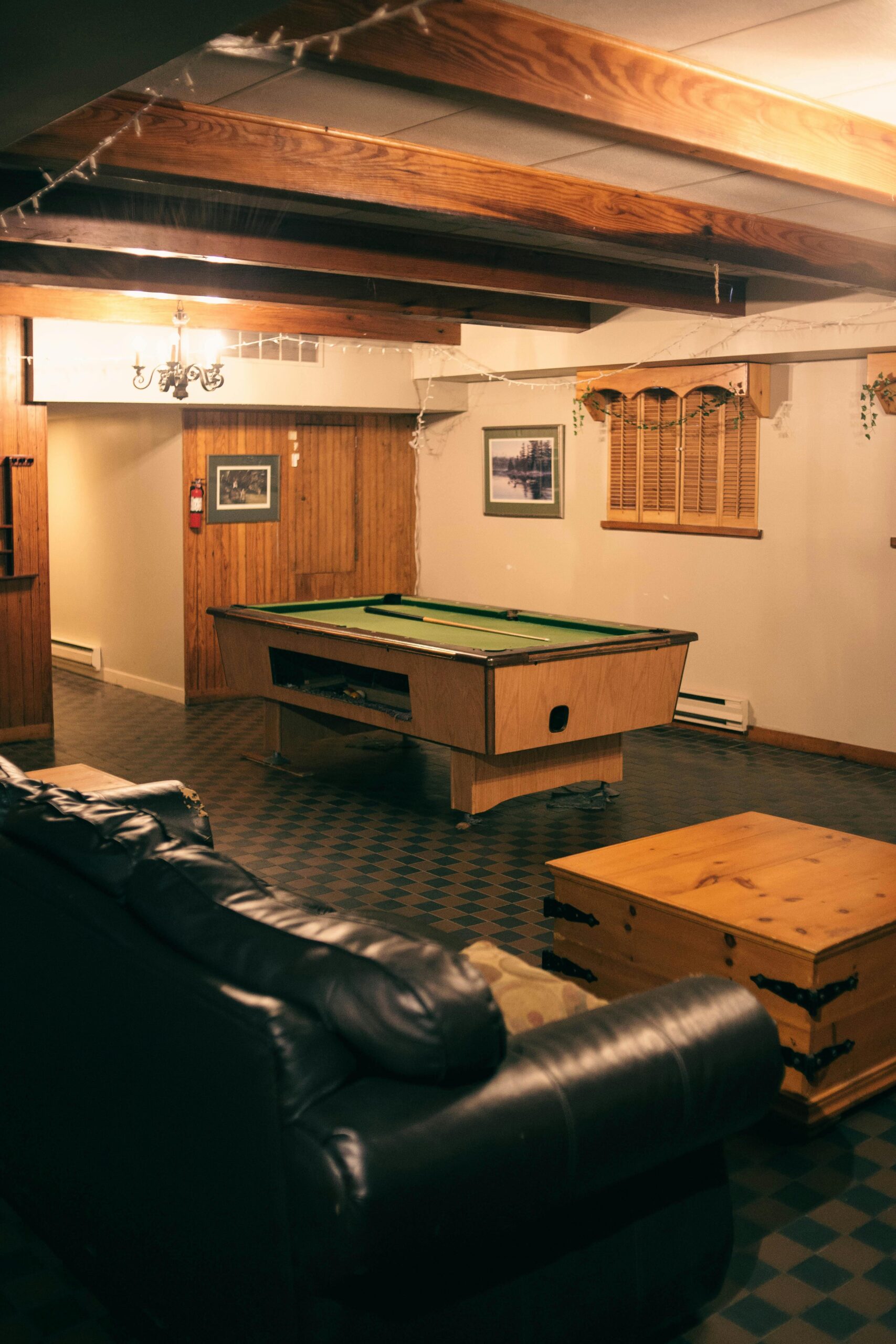
As summer winds down and September arrives in Ottawa, basements start to change character.
In July, a cool basement can feel like a relief. By early fall, that same space can suddenly feel:
- Too damp
- Too chilly to enjoy
- A little musty or stale
If your basement is a TV room, play space, guest room, home office, or laundry area, these changes really matter. Instead of being a comfortable part of the home, it can become a place everyone avoids—just as you’re heading into the seasons when you’re indoors more.
At Noah’s Home Comfort, we spend a lot of time helping homeowners turn their basements into true living spaces, not just storage and utility zones. In this blog, we’ll walk through how we look at basement comfort in September and what we can do if your lower level feels damp, cool, or drafty as fall approaches.
Why Basements Feel Different in September
Basements are unique spaces. They’re mostly below grade, surrounded by concrete or block walls, and often tied directly into the home’s mechanical systems.
In September, three things usually show up at once:
- Outdoor humidity begins to drop, but moisture stored in the ground and foundation can still affect the basement.
- Nights get cooler, and the temperature difference between your basement and upper floors becomes more obvious.
- Windows start to close more often, which can make stale or musty air more noticeable.
If your basement is already on the edge of “comfortable,” this transition can make every little issue stand out:
- That faint musty smell
- That always-cold floor
- That one corner where it feels like a draft is coming from nowhere
Our job is to untangle what’s really going on and help you make the space feel good to be in again.
Step 1: Is Your Basement Damp, Cool, or Drafty (or All Three)?
When we’re called to look at basement comfort, we usually start with one simple question: How does the space feel to you?
Basements can have overlapping problems:
- Damp – The air feels humid, the floor may feel cool and clammy, there might be a musty smell.
- Cool – The temperature itself feels too low to sit comfortably without a sweater or blanket.
- Drafty – You feel moving air or cold spots, especially near windows, doors, or unfinished areas.
Understanding how you experience the basement helps us know where to focus first. We’ll often ask:
- Is this a finished or unfinished basement?
- Who uses it—kids, guests, home office, gym?
- Does it feel worse on rainy days, very cold days, or all the time?
Once we have that picture, we can start connecting your experience to what we see in the equipment, ductwork, and structure.
Step 2: How Is Your Basement Being Heated (or Not)?
Before we talk about humidity or drafts, we look at a basic but important question: How does heat actually get to your basement?
We look for:
- Supply vents – How many, what size, and where they’re located.
- Return air – Is there a return grille or some other path for air to get back to the system?
- Thermostat location – Is your main thermostat upstairs, controlling the whole system based on first-floor comfort?
In many homes, the basement was:
- Added to the heating system as an afterthought, or
- Finished after the original HVAC design was done, without a full re-design of supply and return airflow.
That can leave the basement:
- Under-heated in winter
- Under-cooled or overly cool in summer
- Poorly ventilated year-round
If the only real heat source is whatever “falls” down from upstairs, you’ll feel that as temperatures start to drop.
We can help by:
- Checking whether basement vents are open and delivering enough air
- Adjusting dampers in the ductwork to send more conditioned air to the basement when needed
- Recommending additional or resized vents if the space truly doesn’t have enough supply
Sometimes, a few well-thought-out changes can noticeably improve how your basement feels in September and throughout the colder months.
Step 3: Tackling Basement Humidity and That “Musty” Smell
Humidity is one of the biggest comfort factors in basements. In September, you may notice:
- A musty smell when you first walk downstairs
- Air that feels cool but still slightly damp or heavy
- Condensation on cold water pipes or certain surfaces after humid days
Even as outdoor humidity gradually drops, basement conditions can lag behind. Ground moisture and older construction details can keep the lower level from drying out as quickly as the upper floors.
How We Look at Basement Humidity
When we evaluate basement humidity, we consider:
- Are there any visible signs of water intrusion—staining, efflorescence, or past leaks?
- Is there a sump pump or floor drain present, and how is it behaving?
- Is the basement connected to the home’s main HVAC system, and how strong is the airflow?
- Are you using portable dehumidifiers, and if so, how and where?
From there, we may recommend:
- Dedicated dehumidification for the basement—either portable units located correctly or integrated solutions that tie into your existing system.
- Simple changes like where you place drying racks, storage, or furniture so air can move more freely.
- Checking exhaust fans and overall ventilation to make sure moist air has a way out of the home.
When humidity is better controlled, rooms feel less clammy and more genuinely comfortable, even at the same temperature.
Step 4: Drafts, Cold Spots, and Air Leaks
Drafts in a basement are often a combination of:
- Air leaks at windows and doors
- Gaps where utilities enter the house
- Areas along the sill plate (where the house framing meets the foundation)
- Unfinished or partially finished walls
In September, when outdoor air starts to cool, these leaks can become more noticeable. You might feel:
- A cold “line” along the floor
- A draft near a specific window or corner
- A general sense that one side of the basement is always cooler
What We Do About Drafts
While we’re not general contractors or insulation installers, we can:
- Identify obvious air leakage points
- Show you where improvements would make a real difference
- Coordinate our airflow and heating recommendations with what you might do for sealing and insulation
We also look at how your duct system interacts with these areas. For example:
- A strong supply vent near a leaky window can make that draft more noticeable.
- An unbalanced system can create slight pressure differences that pull cold air in from outside.
By pairing airflow adjustments with better sealing, you can make a big impact on how your basement feels.
Step 5: Air Movement, Stale Air, and Ventilation
Comfort isn’t only about temperature and humidity—it’s also about whether the air feels fresh or stale.
Basements can easily develop “stale pockets,” especially if:
- Doors are kept closed most of the time
- There are few or no return vents downstairs
- The HVAC fan doesn’t run often when heating or cooling is not actively on
We look at:
- Where supply vents are located and how they’re aimed
- Whether there’s any return air path from the basement back to the system
- How often your fan runs (Auto vs. On, or more advanced schedule settings)
We might recommend:
- Running the fan for short, regular intervals to mix and filter air, even when the system isn’t heating or cooling
- Making minor changes to how doors and vents are used to support better circulation
- Considering whether additional return air downstairs would significantly improve airflow
Even without major renovations, improving air movement can make the basement feel less stale and more inviting.
Step 6: Planning for How You Use the Basement in Fall and Winter
Every basement is used differently. When we talk about comfort, we always ask how you want to use the space from September onward:
- Is it a rec room where the family gathers to watch movies?
- A home office where you’ll sit for hours at a time?
- A guest space used occasionally?
- A kids’ play area or teen hangout?
The more time you spend there—and the more still you are while you’re there—the more important comfort becomes.
We’ll help you think about:
- Whether the basement should be kept at similar temperatures to the rest of the house, or slightly cooler.
- How to schedule heating so the basement is comfortable when you actually use it, not just heated when no one’s there.
- Whether additional solutions (like zoning, improved controls, or supplemental options) make sense given how central the basement is to your daily life.
Our aim is to match the comfort level to the actual use, so you’re not over-conditioning a space that’s rarely used or under-conditioning one that’s part of your family’s everyday routine.
Step 7: When Supplemental Solutions Make Sense
In some homes—especially older or heavily renovated ones—basement comfort is tough to solve with duct adjustments alone. In those cases, we may discuss supplemental options that work alongside your main system.
Depending on the situation, that could mean:
- Looking at hydronic (hot water) options if you’re planning a renovation
- Considering safe, integrated supplemental heating tailored to the space
- Talking through how any supplemental equipment would tie into your ventilation and humidity control
We’re careful with supplemental solutions. Our focus is on safety, proper sizing, and integration with your main system so we don’t create new problems while trying to solve the current ones.
Step 8: A September Basement Comfort Check With Us
When you invite us in to look at basement comfort in September, here’s how we typically approach it:
- Listen to Your Experience
We start by asking how the space feels—damp, cool, drafty, musty—and how you’d like to use it in fall and winter. - Inspect HVAC and Airflow
We look at supply and return vents, thermostat location, ductwork (where accessible), and how your current system is serving the basement. - Evaluate Humidity and General Conditions
We pay attention to smells, condensation, visible water marks, and any sump or drain equipment. - Identify Drafts and Obvious Gaps
We note windows, doors, unfinished areas, and potential air leaks that are impacting comfort. - Explain What We See in Plain Language
We’ll connect the dots between what you feel and what we observe in your systems and structure. - Recommend Practical Steps and Priorities
We focus first on changes that deliver the biggest impact for your comfort, then discuss longer-term options if needed.
Our goal is not to overwhelm you with a long list of projects—it’s to give you a clear plan for making your basement feel more comfortable and usable as the colder months approach.
Call to Action
If your basement feels damp, cool, or drafty as September rolls in—and you’d like it to be a space your family actually wants to spend time in, we’d be happy to help.
Call Noah’s Home Comfort at (343) 227-6992 or email info@noahhomecomfort.com to schedule a basement comfort assessment. We’ll look at your heating, airflow, humidity, and general setup, then give you practical recommendations to turn your lower level into a more comfortable, welcoming part of your Ottawa home this fall and winter.