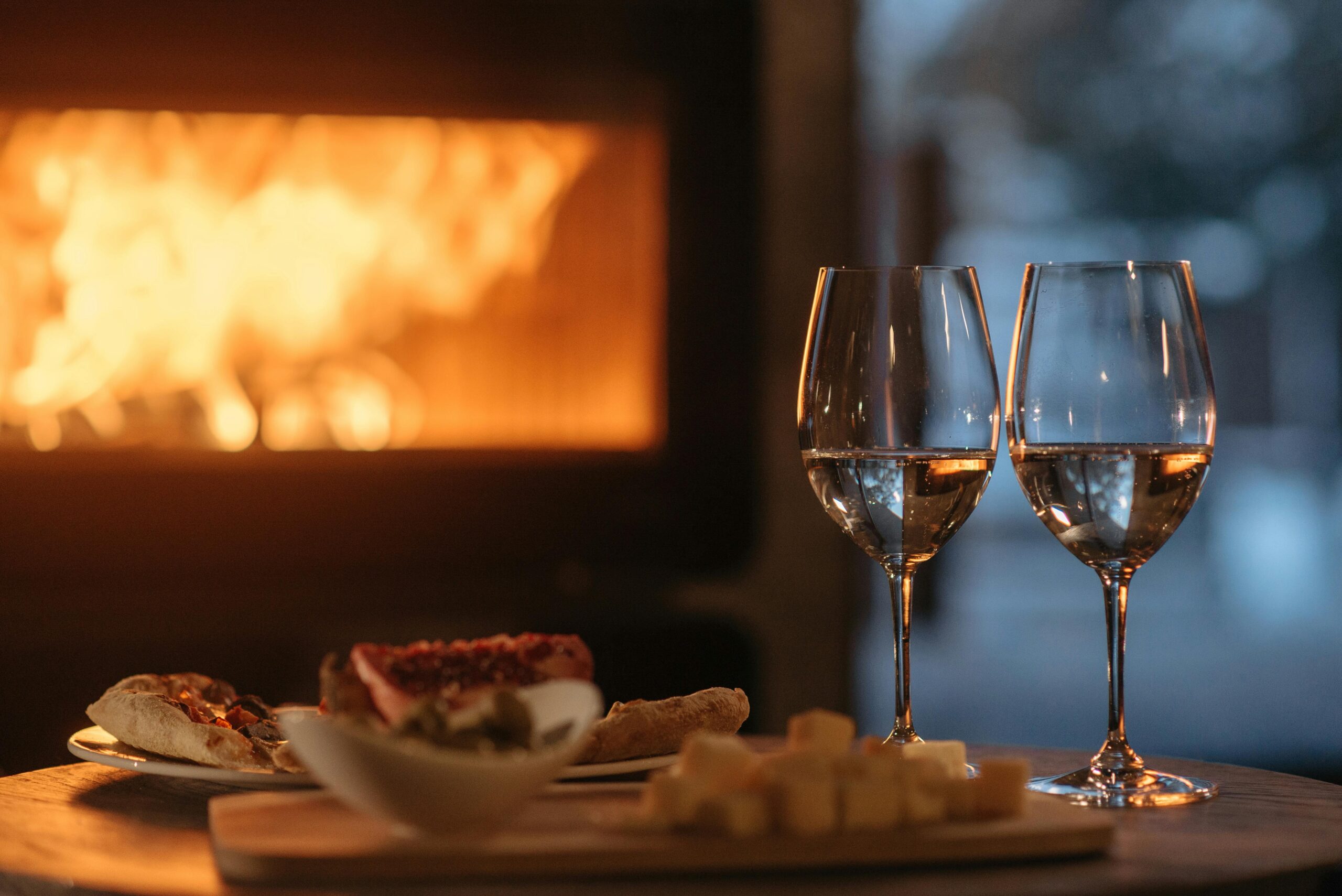
As the evenings in Ottawa start to cool off, many homeowners begin thinking about that first cozy night of the season: lights low, favourite blanket, and the gas fireplace glowing in the background.
But after sitting idle all spring and summer, it’s normal to wonder:
- “Is my gas fireplace safe to turn on?”
- “Why is the pilot not lighting?”
- “Is that smell or film on the glass normal?”
- “Do I need it checked before I start using it again?”
At Noah’s Home Comfort, we look at your gas fireplace as part of your whole home comfort system—not just a pretty feature on the wall. It adds warmth, ambiance, and supplemental heating, but it also needs to be inspected, cleaned, and started up correctly to keep you safe and comfortable.
In this blog, we’ll walk you through how we think about getting your gas fireplace ready for fall, and what we recommend before you start relying on it for those chilly nights.
Why It’s Important to Prepare Your Gas Fireplace Before Fall
Gas fireplaces are often used heavily through fall and winter, then shut off for months at a time. That downtime can lead to:
- Dust and cobwebs around components
- Minor corrosion or wear on metal surfaces
- Issues with ignition if the pilot has been off for a long time
- Forgotten safety concerns or past quirks that were never addressed
When you fire it up for the first time in months, you want it to:
- Start reliably
- Burn cleanly and evenly
- Vent properly
- Provide the level of heat and comfort you expect
Taking a little time in early fall—before you’re using it every evening—helps you avoid surprises and gives you a chance to deal with any problems on your schedule, not in the middle of a cold snap.
Step 1: Take a Good Look at the Fireplace and Surroundings
Before you even turn anything on, it’s worth doing a visual check of your gas fireplace.
We suggest looking at:
- The glass front – Is it cloudy, dusty, or showing signs of residue?
- The firebox interior – Are the logs or media in the correct position? Any debris inside?
- The surrounding area – Are decorations, furniture, or drapes too close to the front of the unit?
Over the summer, people sometimes:
- Move furniture closer without thinking about heat clearances
- Decorate mantels with items that may not be safe near heat
- Stack toys, baskets, or pet beds near the fireplace area
We recommend:
- Keeping the area clear of flammable items in front and to the sides
- Making sure your mantel décor is suitable for the heat level your fireplace produces
- Checking that children’s toys or pet accessories are not stored right in front of the glass
If anything looks off or out of place, it’s better to correct it now, before you turn the fireplace on.
Step 2: Check Your Carbon Monoxide Detectors
Any fuel-burning appliance, including a gas fireplace, needs to be paired with working carbon monoxide (CO) detectors in the home.
Before your first fireplace start-up of the season, we recommend:
- Confirming you have CO detectors on each level of your home, especially near sleeping areas.
- Testing them using the built-in test button.
- Replacing batteries if they’re low or if you’re not sure when they were last changed.
We treat CO safety as a non-negotiable part of fireplace and heating season preparation. If you’re ever unsure about where detectors should go or how they should be used, we’re happy to talk through it during a visit.
Step 3: Turn On Power and Gas Supplies
Many gas fireplaces have:
- A gas shut-off valve nearby
- An electric switch or breaker that provides power to ignition and fans
If these have been turned off for the summer, you’ll need to:
- Make sure the gas supply valve is open, if it was closed (only if you know which valve it is and that it’s safe to operate).
- Check that any wall switch, breaker, or control power is on so the unit can ignite properly.
If you’re not comfortable doing this—or if you’re unsure whether valves were changed—it’s completely okay to wait and have us verify everything as part of a fall fireplace check.
Step 4: Test the Pilot and Ignition System
Once you know the area is clear and the supplies are on, it’s time to test the ignition.
Depending on your model, your gas fireplace may have:
- A standing pilot (always on in heating season)
- An intermittent or electronic ignition (pilot lights when there’s a call for heat)
When you start the fireplace for the first time this fall, pay attention to:
- How easily the pilot lights, if it has one
- Whether ignition is smooth and consistent, or if there are multiple failed attempts
- Any odd delays or repeated clicking
It may take a bit longer than usual on the first start-up of the season, but once it’s been running for a short while, starts should feel consistent and reliable.
If the pilot simply won’t stay lit, or the unit struggles to ignite, that’s a good time to give us a call so we can check the ignition system, gas supply, and safety controls.
Step 5: Expect Some Smell at First—But Know What’s Normal
Just like with a furnace, it’s common to notice a slight smell the first time you use your gas fireplace in the fall.
Normal Start-Up Smells
After months of not being used, dust can settle on:
- The burner
- Logs or media
- Surrounding metal areas
When the fireplace runs for the first time, that dust can burn off and create a light odour, which often:
- Smells slightly “warm” or “dusty”
- Fades after a short period of use
- Doesn’t return once the unit has been operating regularly
If you’re starting it for the first time in fall, it can be helpful to:
- Crack a nearby window if outdoor conditions allow
- Run the fireplace for a short period while you’re awake and paying attention
When Smell Is a Concern
Turn the fireplace off and contact us if you notice:
- A strong acrid, chemical, or burning plastic smell
- Smoke or visible haze inside the home
- Any lingering odour that gets worse instead of better with use
And as always, if your CO detector goes off or you suspect a gas leak, follow safety procedures immediately and then contact us once emergency services have cleared the situation.
Step 6: Check Flame Appearance and Log Positioning
Once your fireplace is running, it’s important to look at the flame and log arrangement.
What We’re Looking For
A healthy gas fireplace flame is typically:
- Steady, not wildly flickering or sputtering
- Mostly blue at the base, with some yellow in the upper parts, depending on design
- Evenly distributed across the burner
If your fireplace uses ceramic logs or special media, they should be:
- Positioned according to the manufacturer’s layout
- Not blocking burner ports in a way that creates odd flame patterns
- Not heavily cracked, deteriorating, or out of place
We can adjust log placement and inspect burners during a service visit, ensuring the flame pattern is both safe and visually appealing.
If you see:
- Very lazy, drooping, or weak flames
- Flames that seem to lift or blow off the burner
- Significant soot buildup on logs or glass
those are all signs that your fireplace needs professional attention.
Step 7: Consider Glass, Fans, and Heat Output
Most modern gas fireplaces are designed to produce both visual comfort and real heat. Once your fireplace is running, it’s a good time to evaluate:
Glass Condition
Over time, the inside of the glass can:
- Develop a light film
- Show minor discoloration from normal combustion
We recommend using only approved methods and products for glass cleaning, and in many cases, we can clean it as part of a service visit, ensuring it’s re-sealed correctly afterwards.
You should avoid:
- Removing glass panels without understanding the proper procedure
- Using household chemical cleaners not intended for gas fireplace glass
Improper handling or cleaning can affect both safety and performance.
Fan or Blower Operation
If your fireplace has a built-in fan or blower:
- Listen for unusual noise when it ramps up
- Check whether it’s actually moving warm air into the room
- Note any rattles, squeaks, or grinding sounds
A noisy or non-functional blower can often be serviced or replaced, improving both comfort and enjoyment of the fireplace.
Heat Output and Comfort
Ask yourself:
- Does the fireplace actually make the room feel warmer, or is it mostly aesthetic?
- Do nearby areas get too hot, while other parts of the room stay cool?
- Is the thermostat for your main heating system in the same room as the fireplace, potentially getting satisfied too early while other areas remain under-heated?
We can help you understand how your gas fireplace interacts with your central heating system and suggest ways to use it so it adds comfort instead of creating new imbalances.
Step 8: When to Schedule a Professional Fireplace Check
You don’t need a technician every single time you turn your fireplace on after a break, but there are clear times when a professional inspection is a smart idea.
We recommend scheduling a gas fireplace check if:
- It’s been a few years since anyone has looked at it professionally.
- You’ve noticed ignition issues, repeated failures, or delayed lighting.
- The flame pattern looks weak, uneven, or sooty.
- The glass has excessive residue or shows signs of heat stress.
- You’re relying more heavily on the fireplace as a key source of heat in fall and winter.
During a professional fireplace service, we can:
- Inspect the burner, pilot, and ignition system
- Check gas connections and visible components for issues
- Confirm venting and air intake paths look correct
- Clean and adjust logs or media placement
- Look at blowers, fans, and safety controls
- Clean and re-seal the glass front appropriately
Our aim is to ensure your fireplace is safe, reliable, and performing as designed before you start using it regularly.
Step 9: Using Your Gas Fireplace Wisely for Comfort and Efficiency
A gas fireplace can be a great tool for comfort and supplemental heat when used thoughtfully.
We often suggest:
- Using it to take the chill off main living areas during shoulder seasons, so your furnace doesn’t have to work as hard.
- Avoiding overheating the room with the thermostat in it, which can cause the rest of the home to receive less heat.
- Running fans (on your HVAC system or the fireplace) to help circulate warmth into adjacent areas.
We’re happy to talk with you about:
- How often to use the fireplace
- What role it should play in your overall heating plan
- How to balance ambience, comfort, and energy use in a way that feels right for your home and lifestyle
Call to Action
If you’re getting ready to use your gas fireplace this fall and want to be sure it’s safe, reliable, and set up for maximum comfort, we’d be glad to help.
Call Noah’s Home Comfort at (343) 227-6992 or email info@noahhomecomfort.com to schedule a gas fireplace inspection and start-up check. We’ll inspect your unit, test ignition and flame quality, talk through safety and CO protection, and make sure your fireplace is ready to deliver cozy, worry-free warmth all season long.