Practical December Energy-Saving Strategies for Residents of Orleans, Rockland, Clarence-Rockland, Embrun & Surrounding Areas
Ottawa winters are long, cold, and expensive.
Homeowners across Orleans, Rockland, Clarence-Rockland, Cumberland, Embrun, Limoges, Casselman, Hammond, and St. Albert often struggle with the rising cost of keeping their homes warm from December through March. Heating bills increase noticeably, furnaces work overtime, and HVAC systems face continuous strain.
But the good news is this: You can significantly reduce winter heating costs without compromising comfort — if you take the right steps.
This detailed winter efficiency guide provides homeowners with practical, effective strategies to lower heating bills, optimize furnace performance, and stay comfortable all season long.
Why Heating Costs Spike in Ottawa East During Winter
Homes in Ottawa East face unique heating challenges due to:
- Extended periods of freezing temperatures
- Rapid cold fronts
- Icy winds, especially near open areas like Rockland and Clarence-Rockland
- Older home construction in Cumberland and Casselman
- Larger suburban layouts in Orleans and Embrun
- Rural exposure in Hammond, Limoges, and St. Albert
Heating systems in these communities work 30–50% harder in December than in mild months.
This extra strain leads to:
- Higher energy bills
- Increased furnace wear
- More frequent emergency repair calls
- Harder-to-maintain indoor temperatures
By understanding these challenges, homeowners can better prepare and implement effective cost-saving strategies.
1. Optimize Thermostat Settings Without Sacrificing Comfort
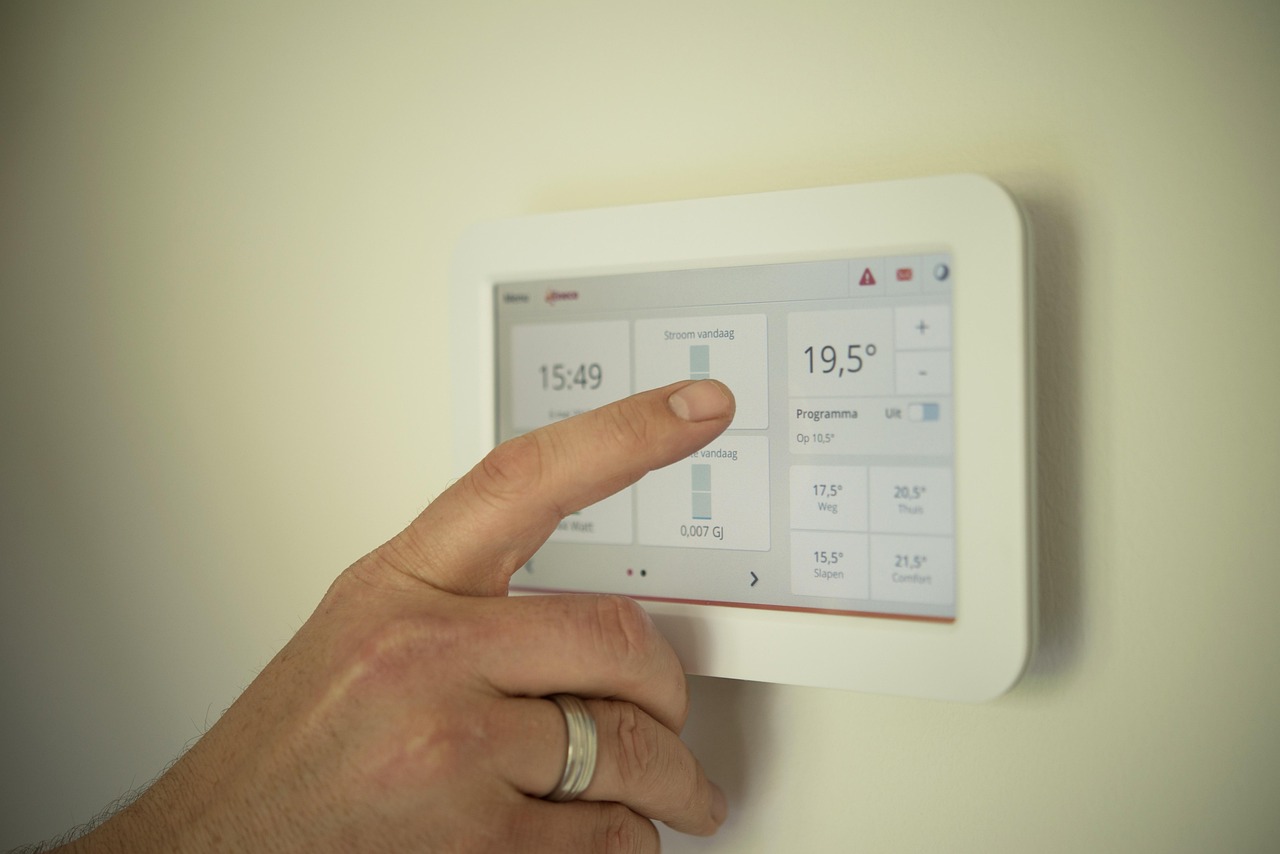
Small thermostat adjustments can significantly reduce heating costs.
Recommended Winter Thermostat Settings:
- 21°C (70°F) → normal daytime setting
- 19°C (66°F) → nighttime (sleeping hours)
- 18–19°C (64–66°F) → when away from home briefly
- Never below 17°C (63°F) → risk of freezing pipes in cold areas
Homes in rural areas like Hammond, St. Albert, Limoges, and older properties in Cumberland lose heat faster, making extreme setbacks unsafe.
Bonus Tip:
Using a smart thermostat helps maintain comfortable temperatures more efficiently. This is especially helpful for large family homes in Orleans, Rockland, and Embrun.
2. Replace Furnace Filters Frequently (More Often Than You Think)
Dirty furnace filters are responsible for a surprising amount of energy waste.
Dirty Filters Cause:
- Reduced airflow
- Higher furnace runtime
- Short cycling
- Increased energy bills
- Hot and cold spots
- Unnecessary stress on components
In winter, filters should be replaced every 30–60 days, especially in:
- Homes with pets
- Homes with children
- Rural properties near fields (dust)
- Older homes with aging duct systems
Communities like Casselman, Hammond, and St. Albert experience heavier airborne dust in winter.
3. Seal Cold Drafts Around Windows and Doors
Even small drafts can dramatically affect heating bills in Ottawa East.
Draft-prone areas include:
- Older windows in Cumberland
- Patio doors in Orleans and Embrun
- Basement windows in Rockland
- Cold-room entries in Clarence-Rockland
- Garage-to-house access doors
Simple Draft Solutions:
- Weather stripping
- Door sweeps
- Window film
- Heavy thermal curtains
- Sealing gaps with caulking
Stopping drafts helps furnaces maintain consistent temperatures with less effort.
4. Keep Vents and Registers Fully Open (Yes, ALL of Them)
Closing vents is one of the most common heating mistakes.
Many homeowners in Orleans, Rockland, Clarence-Rockland, and Embrun believe closing vents saves energy, but it actually increases pressure inside the duct system, forcing the furnace to work harder.
Always keep:
- All supply vents open
- All return air vents unblocked
- Furniture away from vents
- Rugs off floor registers
Proper airflow is essential for efficiency.
5. Improve Insulation in Key Areas
Insulation plays a huge role in heat retention.
Critical insulation zones in Ottawa East homes include:
- Attics in Rockland, Embrun, and Clarence-Rockland
- Crawlspaces in Cumberland, Casselman, and Hammond
- Basement headers (rim joists) in St. Albert
- Exterior walls in older Orleans homes
- Around ductwork in cold basement areas
Even adding small amounts of insulation can significantly improve winter performance.
6. Use Ceiling Fans to Push Warm Air Down
Most homeowners don’t realize ceiling fans can help in winter.
Switch fans to winter mode (reverse direction):
- Air circulates upward
- Warm air trapped near ceilings pushes downward
- Rooms feel warmer at lower thermostat settings
This works extremely well in:
- High-ceiling homes in Rockland
- Multi-story homes in Orleans
- Open-concept living rooms in Embrun
7. Schedule a Winter Furnace Tune-Up Before January Cold Hits
A well-maintained furnace runs more efficiently — and costs less to operate.
Winter tune-ups include:
- Cleaning flame sensors
- Inspecting burners
- Testing blower motors
- Checking heat exchangers
- Ensuring proper airflow
- Calibrating thermostats
Homes across Ottawa East benefit from December tune-ups because extreme temperatures are still ahead.
8. Check and Clear Exterior Furnace Exhaust Pipes
Snow buildup is a major heating issue in:
- Rockland
- Clarence-Rockland
- Embrun
- Limoges
- St. Albert
- Hammond
Blocked exhaust pipes cause:
- Furnace shutdown
- Poor combustion
- Safety risks
- High energy use
Clearing snow and ice around exterior vents ensures safe, efficient furnace operation.
9. Reduce Heat Loss in Basements
Basements are the biggest source of heat loss in Ottawa East.
Basement improvements:
- Seal rim joists
- Insulate cold walls
- Install basement-safe space heaters
- Use carpet or area rugs
- Seal floor drafts
Homes in Cumberland, Casselman, and St. Albert are especially vulnerable due to colder below-grade spaces.
10. Avoid Overusing Space Heaters
While space heaters are helpful for temporary comfort, they are extremely expensive to run long-term.
In many homes in Orleans, Rockland, and Embrun, space heaters add $20–$60 per week to hydro bills.
Use them only when:
- A room is unusually cold
- Furnace repair is scheduled
- The home is recovering from a no-heat situation
Otherwise, they increase costs instead of reducing them.
How Heating System Efficiency Impacts Costs
Efficient systems use less fuel and electricity.
Older systems struggle to maintain comfortable temperatures.
Efficiency problems often found in Ottawa East include:
- Weak blower motors in older Cumberland homes
- Cracked ductwork in Rockland basements
- Oversized furnaces in Orleans new builds
- Undersized systems in Clarence-Rockland rural properties
- Heat loss due to open-concept layouts in Embrun
Even well-maintained furnaces have limitations based on design, age, and home layout.
Bonus Tip: Keep Humidity Levels Balanced
Dry air feels colder.
Homes with proper humidity can feel warmer at lower thermostat settings.
Ideal winter humidity:
30%–40%
Homes in Limoges, Casselman, and St. Albert benefit from humidifiers because rural wind exposure dries indoor air faster.
How Local Climate Knowledge Helps Home Comfort
Technicians who work regularly in Orleans, Rockland, Clarence-Rockland, Embrun, Cumberland, Limoges, Casselman, Hammond, and St. Albert understand:
- Wind tunnel neighbourhoods
- Rural duct and furnace setups
- Older homes with hidden drafts
- Furnace strain in open layouts
- Basement humidity challenges
Local expertise leads to better recommendations and more efficient—and affordable—winter heating.
Final Thoughts: Heat Smart, Not Harder This Winter
Winter heating doesn’t need to be stressful or expensive.
By implementing the strategies in this guide, homeowners across Ottawa East can:
- Lower monthly heating bills
- Improve furnace efficiency
- Reduce breakdown risks
- Increase comfort
- Extend the lifespan of HVAC systems
Heating your home efficiently is about proactive care—not sacrificing comfort.
Call-to-Action
For expert, energy-efficient heating service across Ottawa’s east end,
Call Noah’s Home Comfort at (343) 227-6992 or email info@noahhomecomfort.com