What Homeowners in Orleans, Rockland, Clarence-Rockland, Embrun & Surrounding Areas Need to Know
January is the true test of any heating system in Ottawa. While December introduces cold weather, January brings sustained deep freezes, longer nights, and relentless demand on furnaces. For homeowners in Orleans, Rockland, Clarence-Rockland, Cumberland, Embrun, Limoges, Casselman, Hammond, and St. Albert, January is the month when furnaces either prove their reliability—or fail when they are needed most.
This is not a coincidence. January places unique and intense stress on residential heating systems, exposing weaknesses that may have gone unnoticed earlier in the winter. Understanding why January is so demanding helps homeowners take proactive steps to avoid breakdowns, costly repairs, and dangerous no-heat situations.
January Cold Is Different in Ottawa East
January temperatures in Ottawa East often remain below freezing for extended periods, with frequent overnight lows reaching extreme levels. Unlike short cold snaps in December, January cold is persistent. Furnaces are forced to run longer cycles, sometimes operating almost continuously.
Homes in Rockland and Clarence-Rockland face strong river winds that increase heat loss. Rural properties in Hammond, St. Albert, Limoges, and Casselman are more exposed to open terrain, allowing cold air to penetrate faster. Suburban homes in Orleans and Embrun, especially newer open-concept layouts, require consistent airflow and steady furnace output to maintain comfort.
This sustained demand makes January the most punishing month of the year for HVAC systems.
Why Furnaces Work Harder in January Than Any Other Month
Several factors combine to push furnaces to their limits in January:
- Lower average outdoor temperatures
- Longer heating cycles
- Reduced solar heat gain
- Increased heat loss through walls, windows, and basements
- Higher indoor comfort expectations
- Post-holiday household activity returning to normal routines
Furnaces in Ottawa East are not just turning on and off—they are working at near-maximum capacity for weeks at a time.
Common Furnace Failures That Appear in January
January exposes issues that may not surface earlier in the season. The most common furnace problems reported in Orleans, Rockland, Embrun, and Cumberland during January include:
- Ignitor failure after heavy use
- Dirty or failing flame sensors
- Overheating due to restricted airflow
- Blower motor strain
- Pressure switch failures caused by ice buildup
- Thermostat calibration issues
- Frozen or partially blocked exhaust vents
These failures often appear suddenly because the system has reached its operational limits.
How January Weather Impacts Furnace Components
Extreme cold affects more than just air temperature. In Ottawa East, January weather also creates:
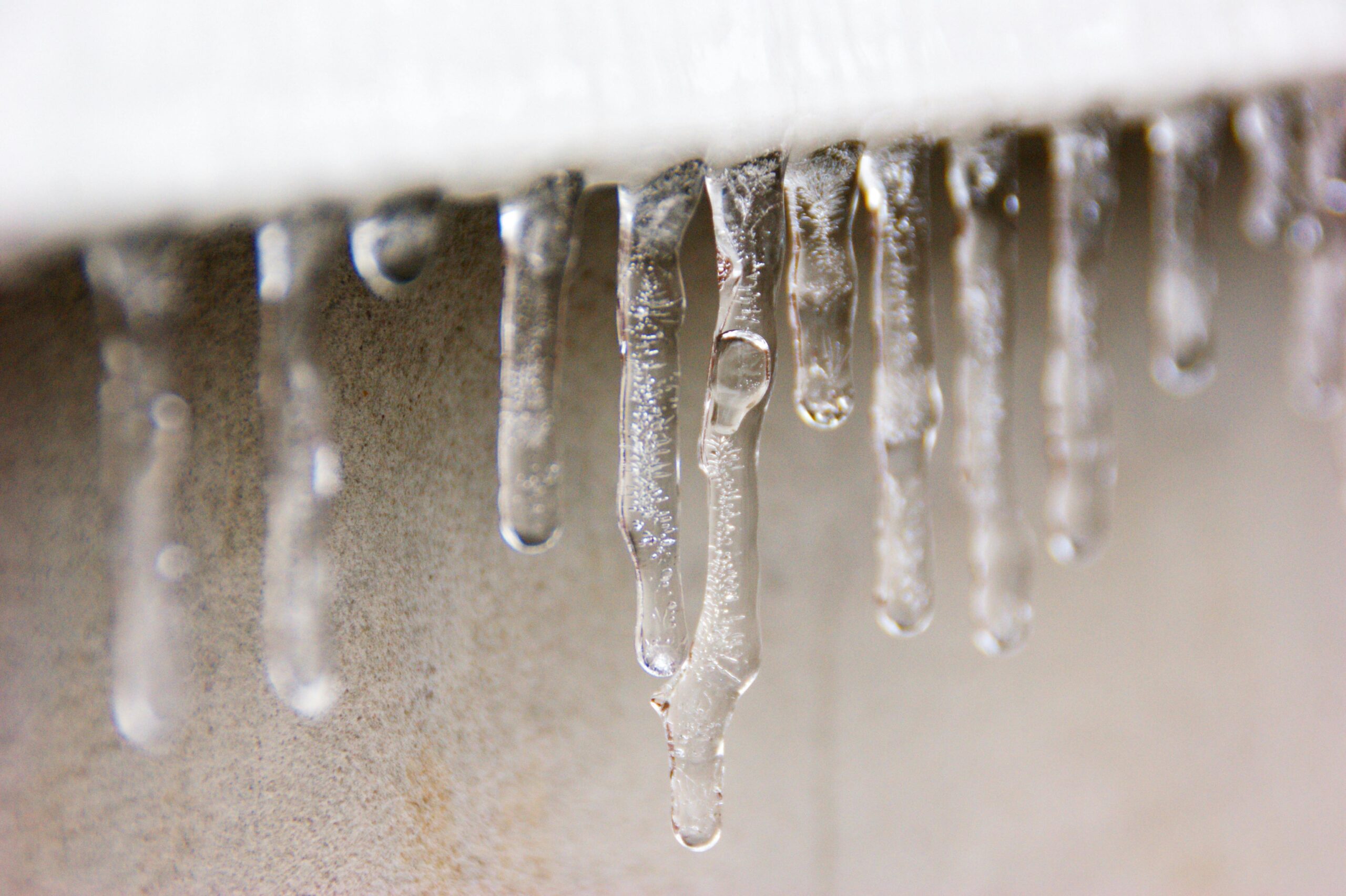
- Ice buildup on exterior intake and exhaust pipes
- Condensation freezing inside venting
- Pressure fluctuations affecting ignition
- Electrical stress during peak usage
- Reduced airflow from clogged filters
Homes in Clarence-Rockland and Rockland are especially vulnerable to vent icing due to wind exposure, while rural homes in Hammond and St. Albert often experience faster heat loss that pushes furnaces to overcompensate.
Why Furnaces Often Fail After the Holidays
January furnace breakdowns are frequently linked to what happened in December.
During the holidays:
- Homes host more guests
- Thermostats are adjusted more often
- Furnaces run longer each day
- Filters clog faster
- Maintenance is postponed
Once normal routines return in January, the furnace has already accumulated weeks of heavy wear. Components that were borderline begin to fail.
This pattern is common in Orleans, Embrun, Rockland, and Cumberland, where family gatherings increase heating demand significantly in December.
The Connection Between Furnace Performance and Plumbing Safety
When a furnace struggles in January, plumbing systems are at risk.
In Ottawa East, frozen pipes are a major concern during furnace issues. Without consistent heat:
- Basement plumbing freezes quickly
- Exterior wall pipes are vulnerable
- Crawlspace plumbing can freeze within hours
- Burst pipes cause severe water damage
Homes in Cumberland, Casselman, Limoges, and Hammond face higher plumbing risk due to colder basements and longer plumbing runs.
A reliable furnace in January is essential not only for comfort but for protecting the entire home.
Warning Signs That a Furnace Is Struggling in January
Homeowners should never ignore these January-specific warning signs:
- Furnace running constantly without reaching set temperature
- Sudden cold spots in rooms
- Short cycling during extreme cold
- Unusual noises appearing only during cold nights
- Rising energy bills with no thermostat changes
- Cold air blowing briefly before heat engages
- Furnace shutting down during overnight hours
These symptoms indicate the system is under stress and needs professional attention before a complete breakdown occurs.
Why January Is Not the Month to Delay Furnace Service
Delaying furnace service in January carries higher risk than any other time of year.
In Orleans, Rockland, Clarence-Rockland, Embrun, and surrounding areas, January delays can lead to:
- Emergency no-heat situations
- Frozen plumbing
- Unsafe indoor temperatures
- Carbon monoxide risks
- More expensive repairs
- Extended downtime due to parts availability
A minor issue addressed early in January can prevent a major failure during the coldest nights of the year.
How Homeowners Can Reduce Furnace Strain in January
There are practical steps homeowners can take to support their furnace during peak winter demand:
- Replace furnace filters monthly
- Keep all vents open and unobstructed
- Seal drafts around doors and windows
- Clear snow and ice from exterior vents
- Avoid drastic thermostat setbacks
- Keep basement doors open to circulate heat
- Listen for new or worsening furnace noises
- Monitor energy bills closely
These steps are especially effective in Rockland, Embrun, Orleans, and Clarence-Rockland, where furnace load is highest in January.
Why Local Expertise Matters in January
January furnace issues in Ottawa East are not generic. Local conditions matter.
Technicians familiar with the region understand:
- Wind exposure in Rockland and Clarence-Rockland
- Rural heat loss in Hammond and St. Albert
- Basement cold zones in Cumberland
- Open-concept heating challenges in Orleans
- Longer plumbing runs in Embrun and Limoges
Local knowledge allows faster diagnosis and more effective long-term solutions during Ottawa’s coldest month.
Final Thoughts: January Is the Ultimate Furnace Test
January separates furnaces that are merely functioning from those that are truly reliable. For homeowners in Orleans, Rockland, Clarence-Rockland, Cumberland, Embrun, Limoges, Casselman, Hammond, and St. Albert, this month demands attention, awareness, and proactive care.
Understanding how January stresses heating systems empowers homeowners to act early, avoid emergencies, and maintain comfort through the harshest part of winter.
Call to Action
For reliable furnace service and winter heating support across Ottawa’s east end,
Call Noah’s Home Comfort at (343) 227-6992 or email info@noahhomecomfort.com.